
Explore the DESSINART Collecton
.jpeg)
Renaissance
c. early 14th century – late 16th century
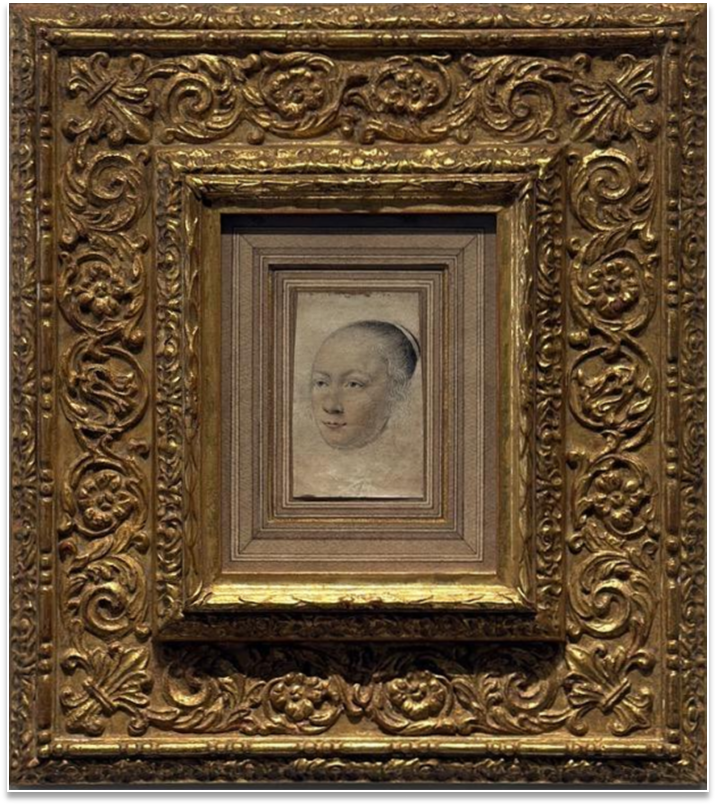
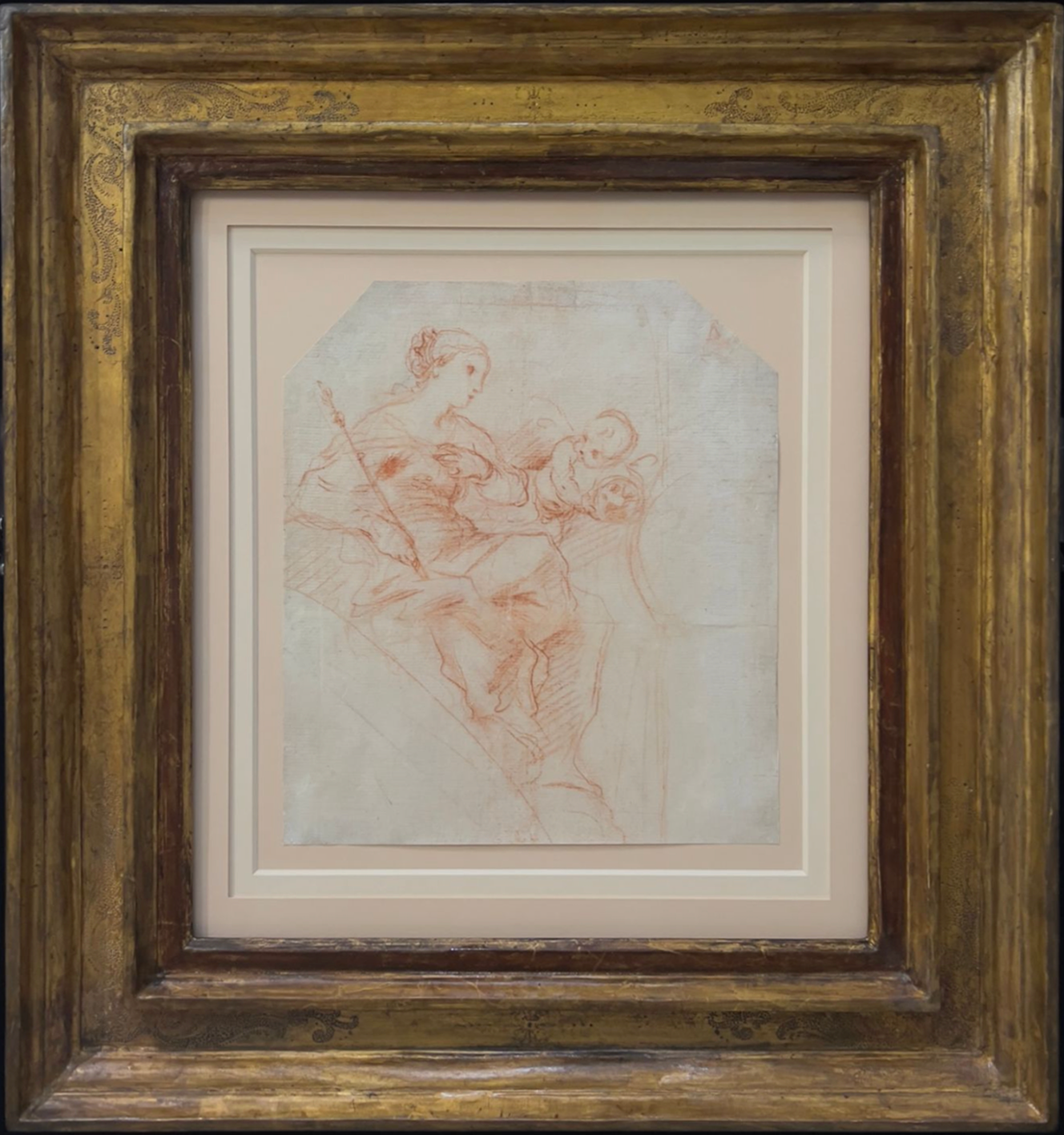
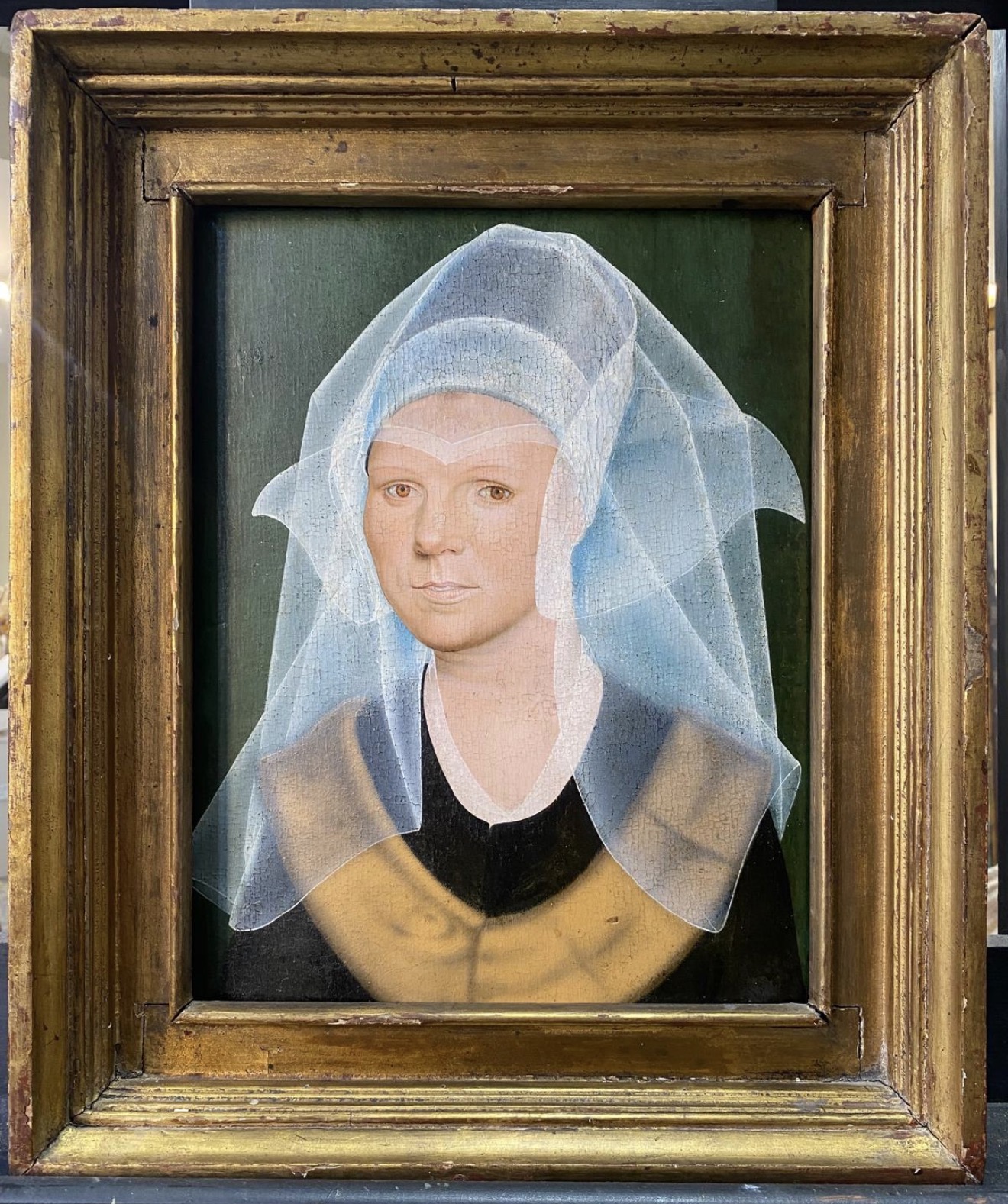
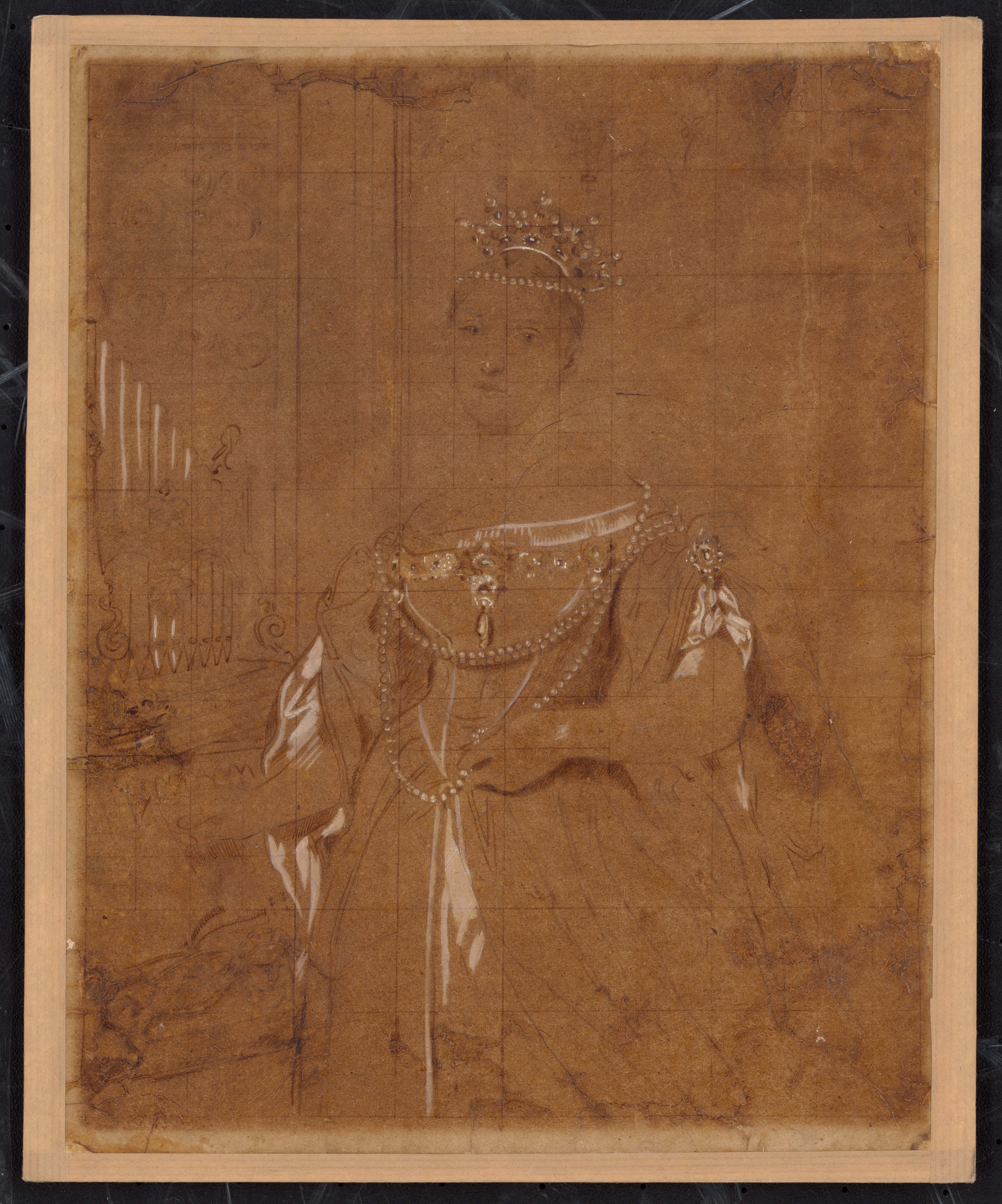
The Renaissance emerged in Italy and gradually spread across Europe. It emphasized the revival of classical antiquity, humanism, proportion, perspective, natural observation, and intellectual order, marking a major shift from medieval visual traditions toward a new understanding of art and the human figure.

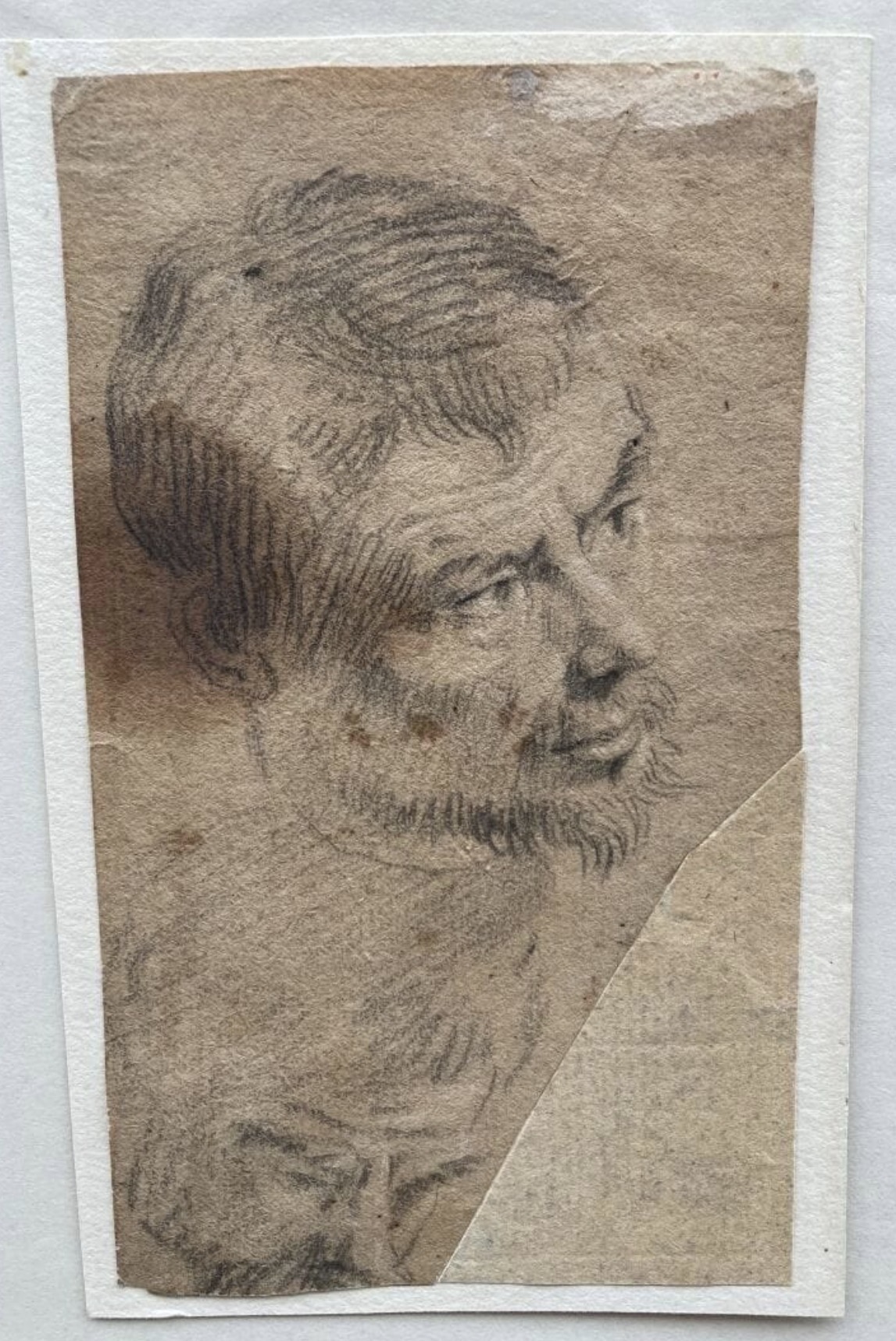
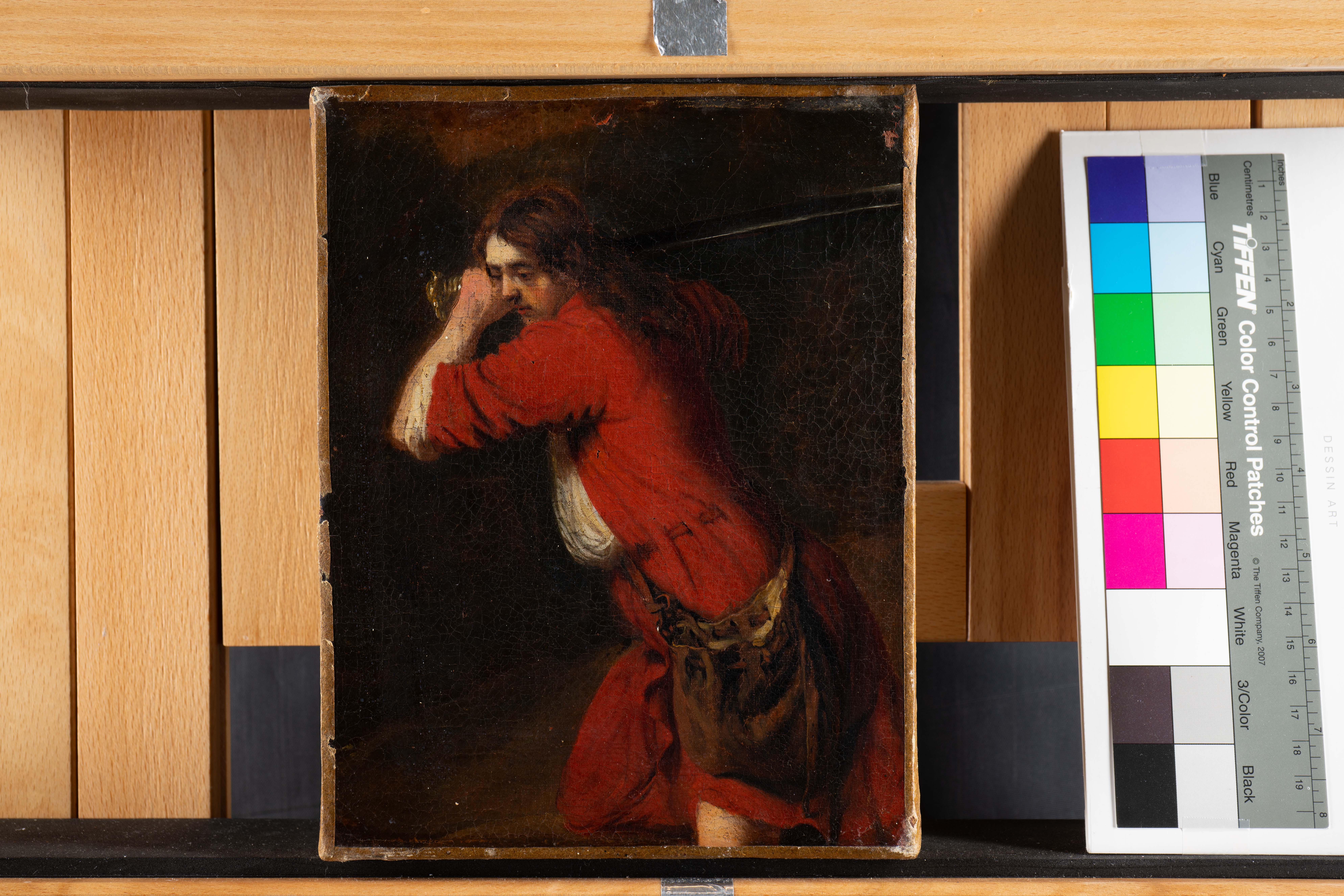
Baroque
c. 1600 – 1750
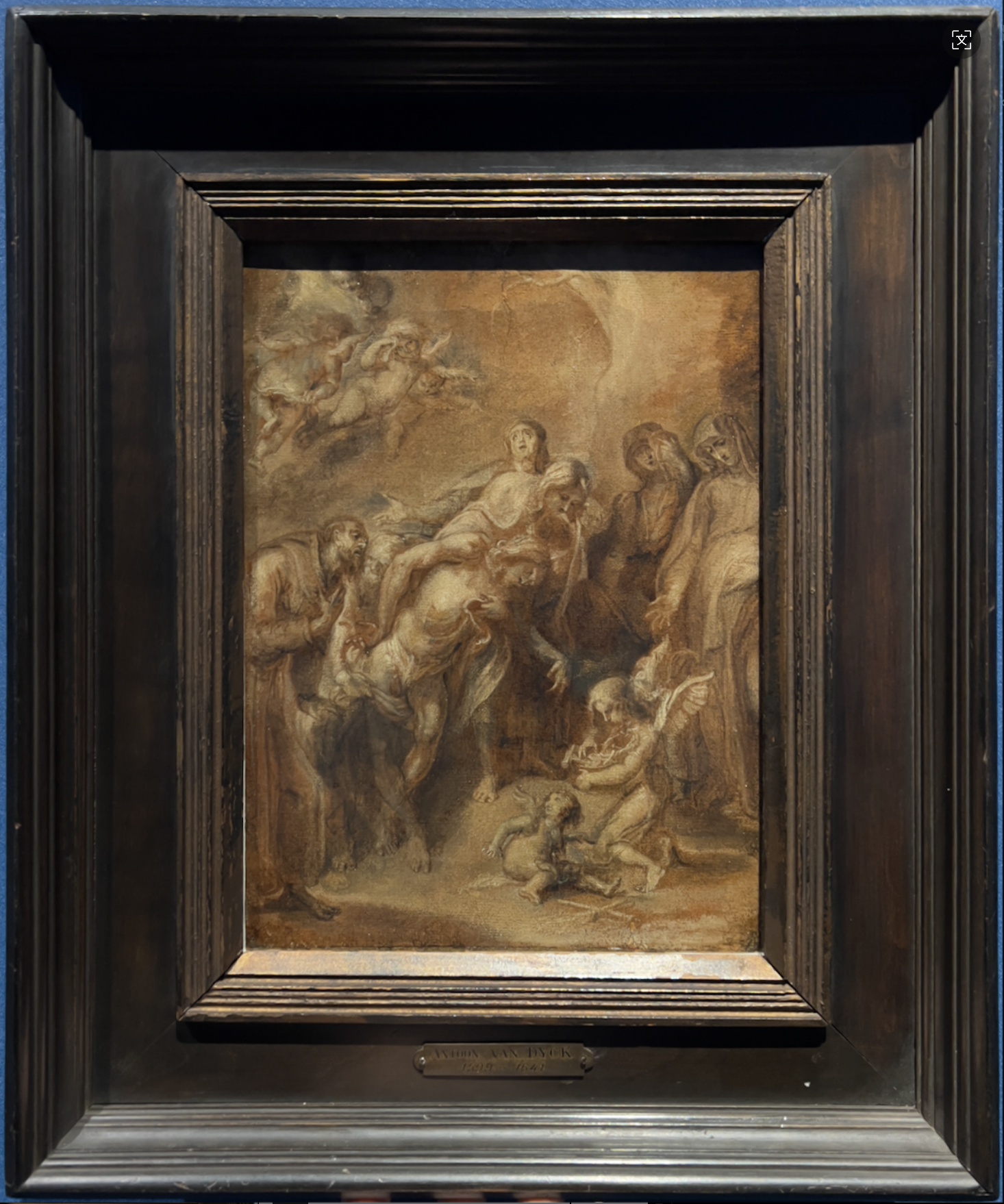
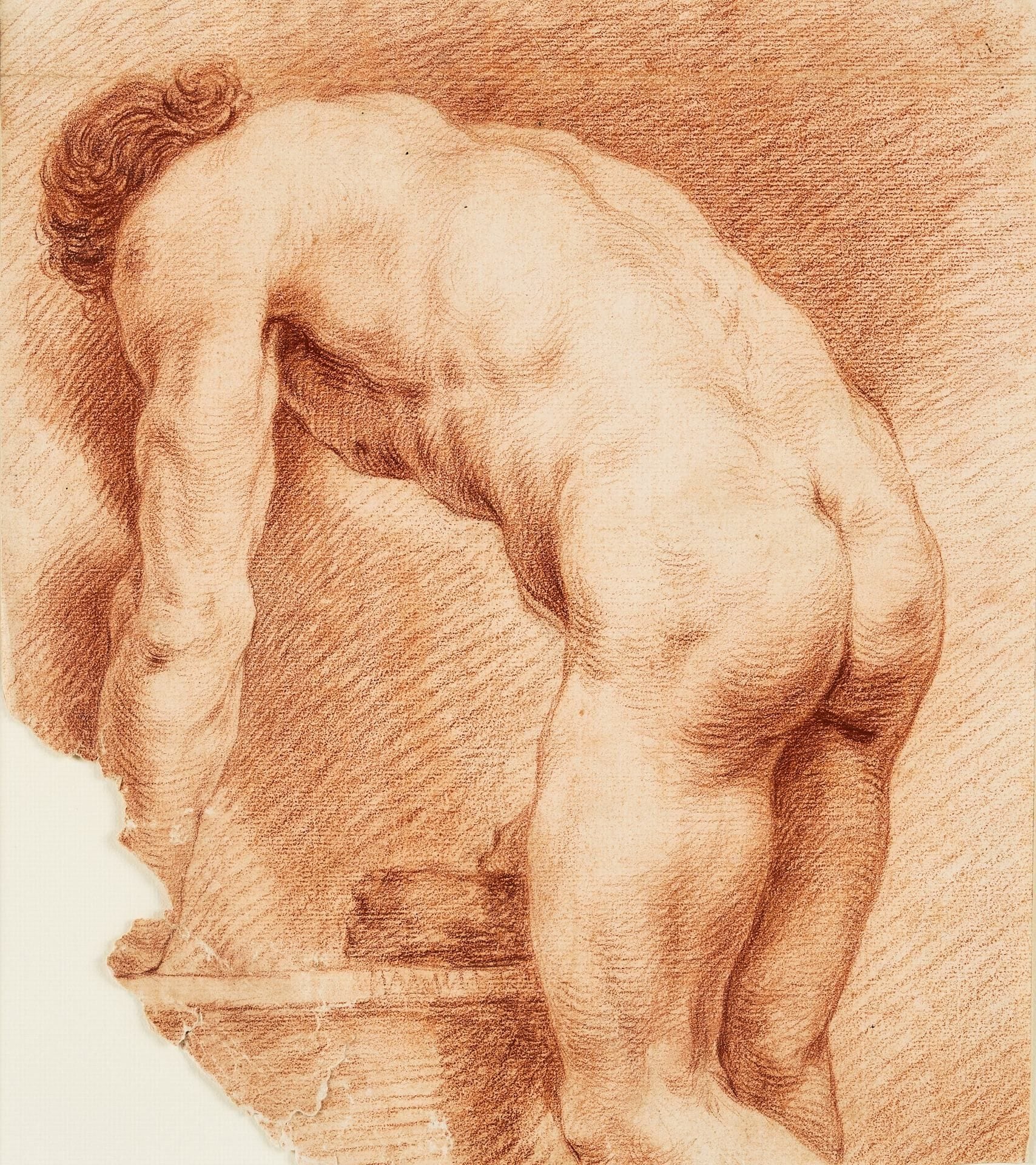
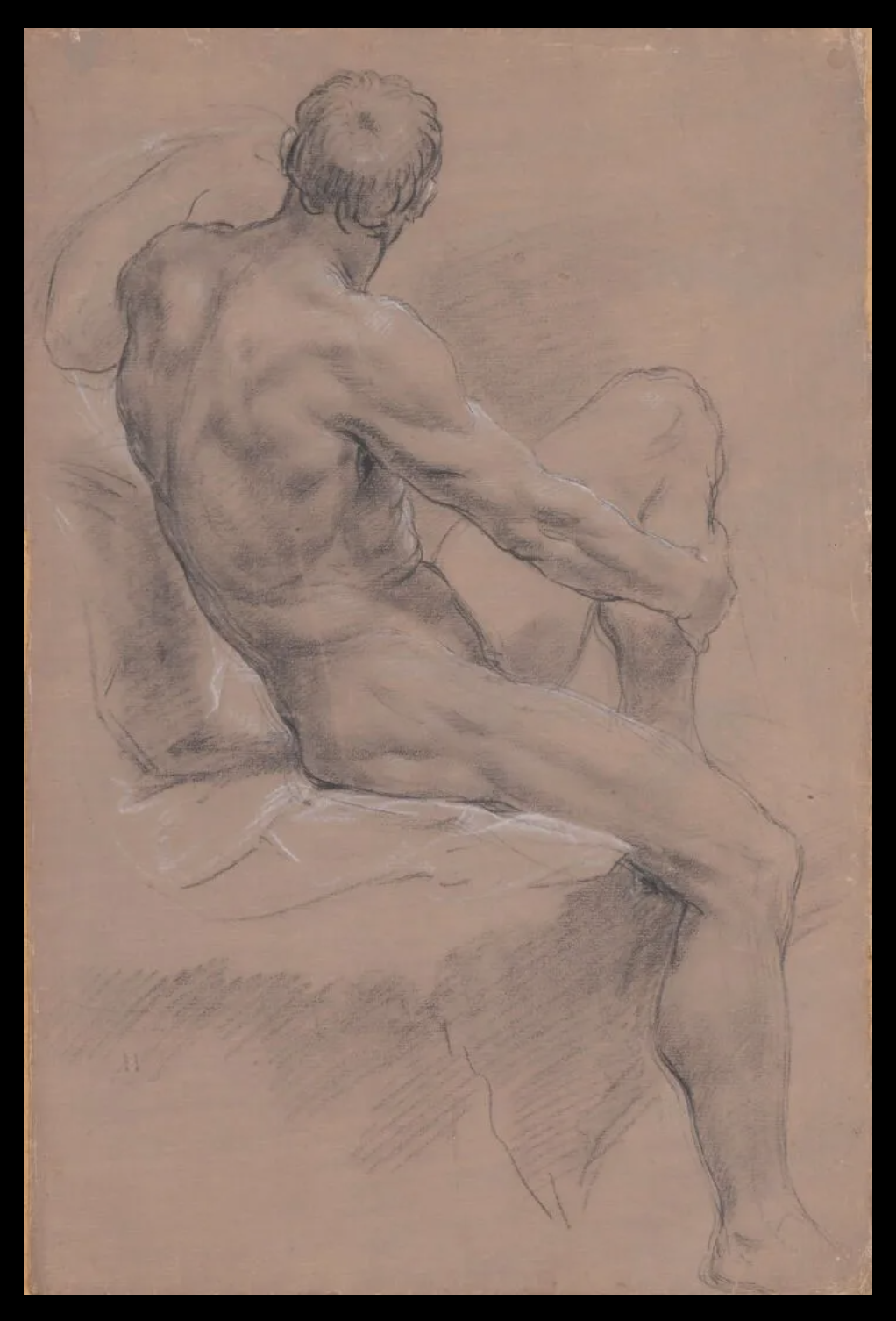
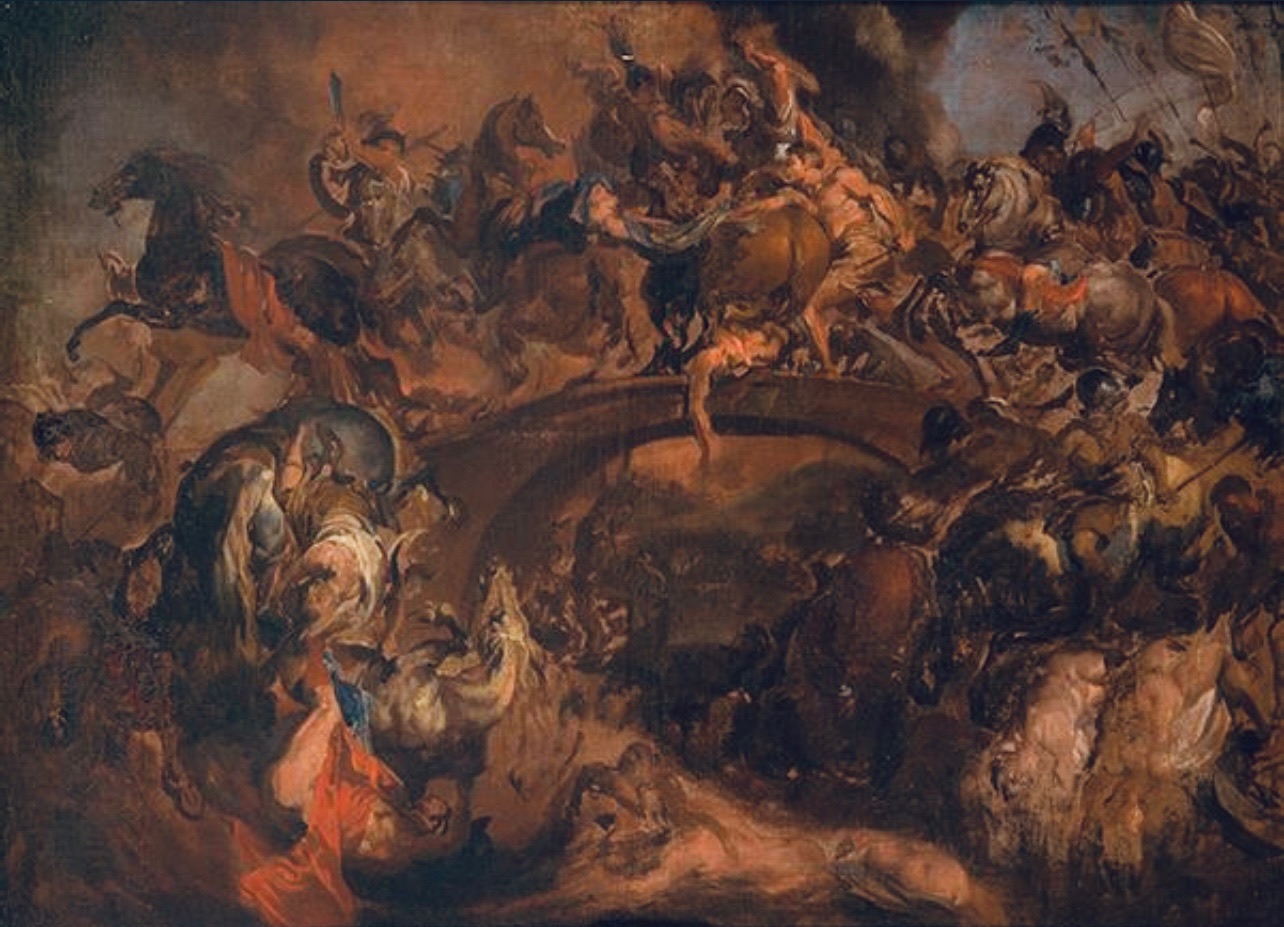
Baroque art is characterized by drama, movement, strong contrasts of light and shadow, emotional intensity, and theatrical composition. It developed across Italy, France, Flanders, Spain, and other European regions, often serving religious, royal, and aristocratic contexts.
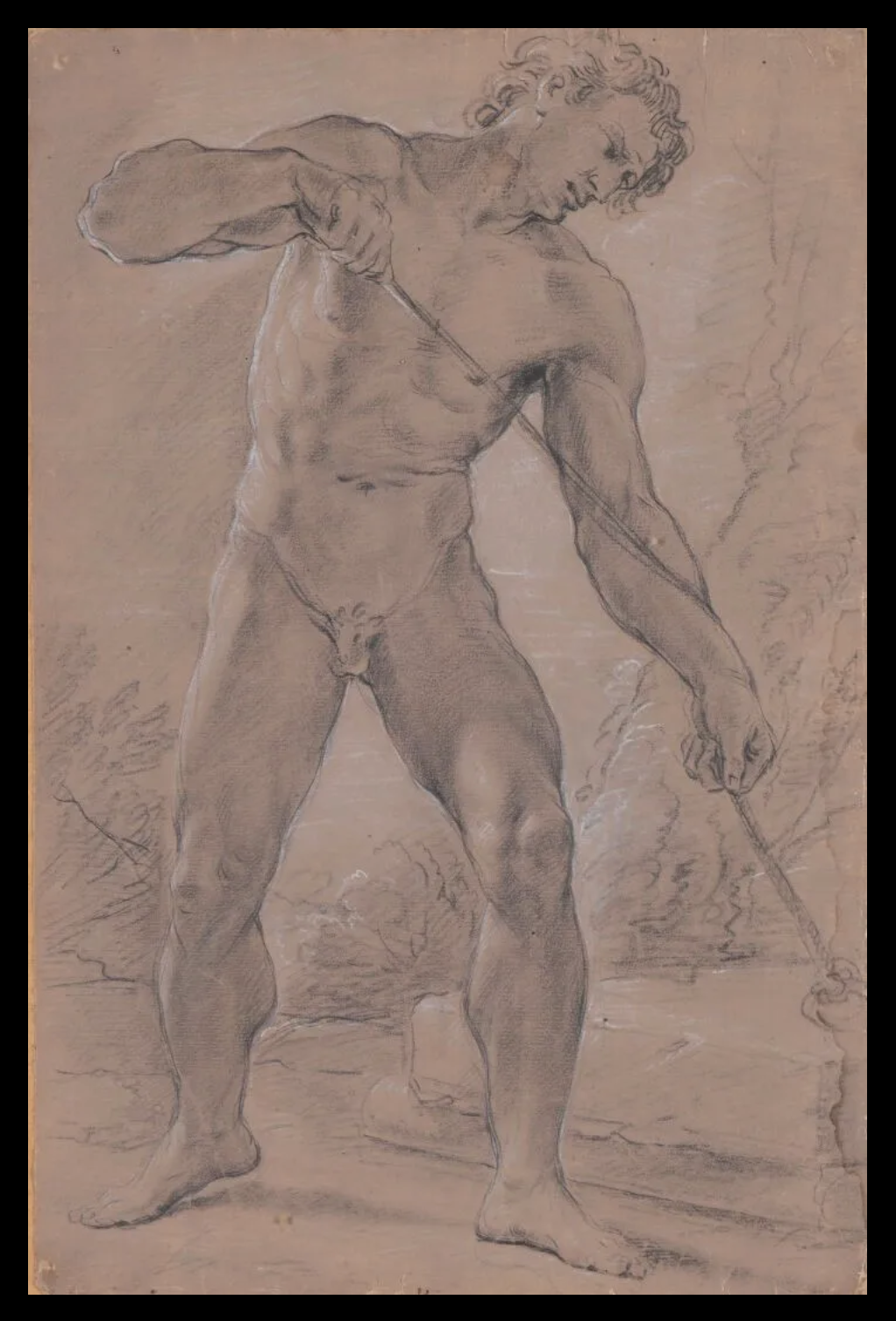
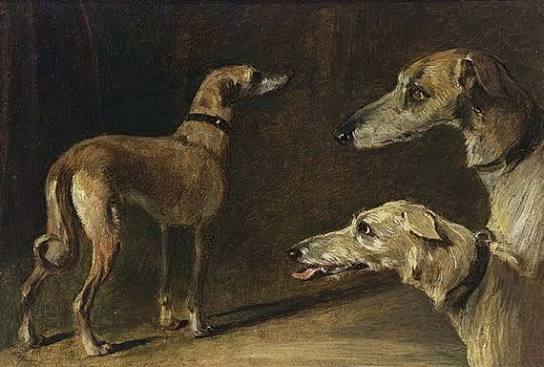
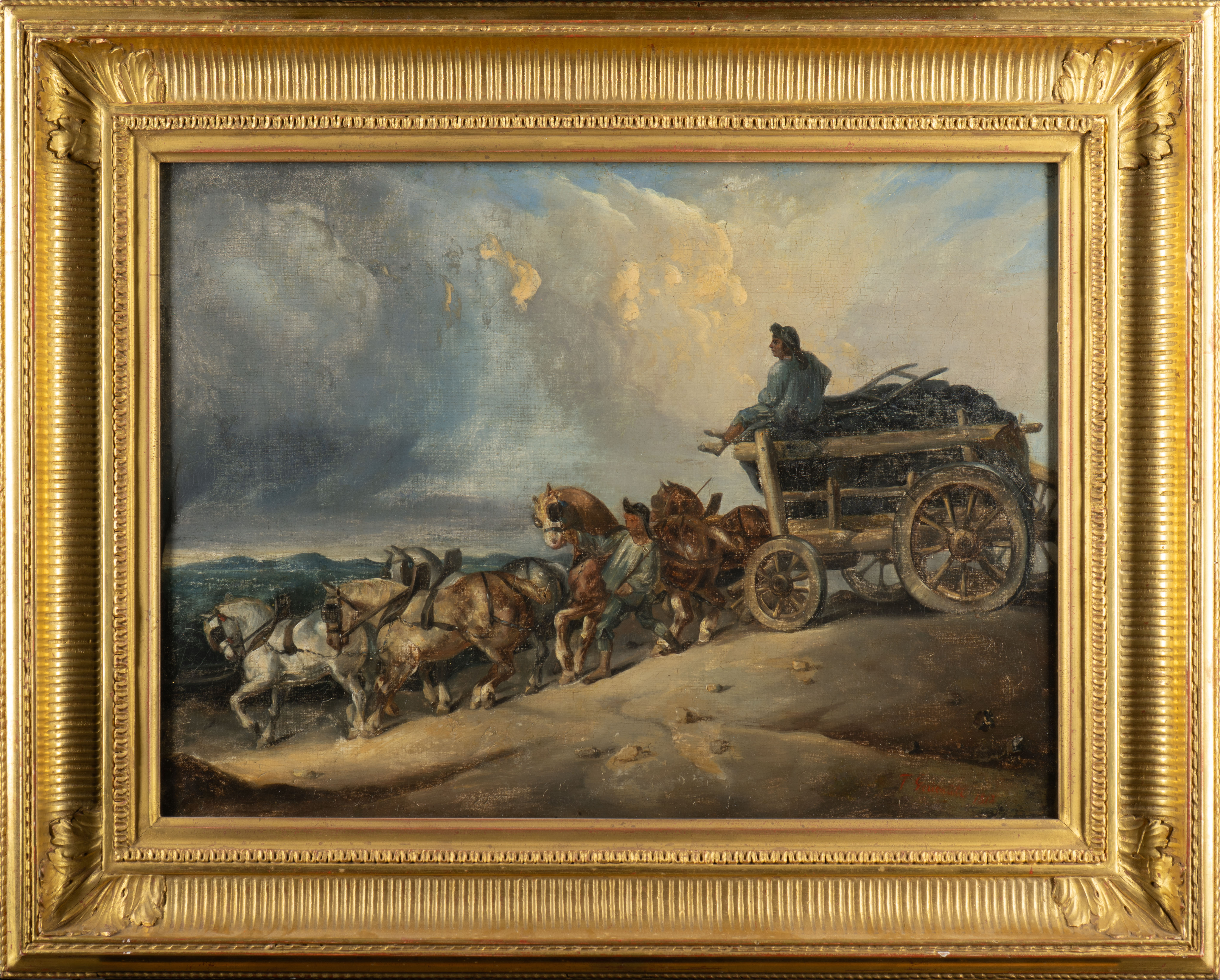
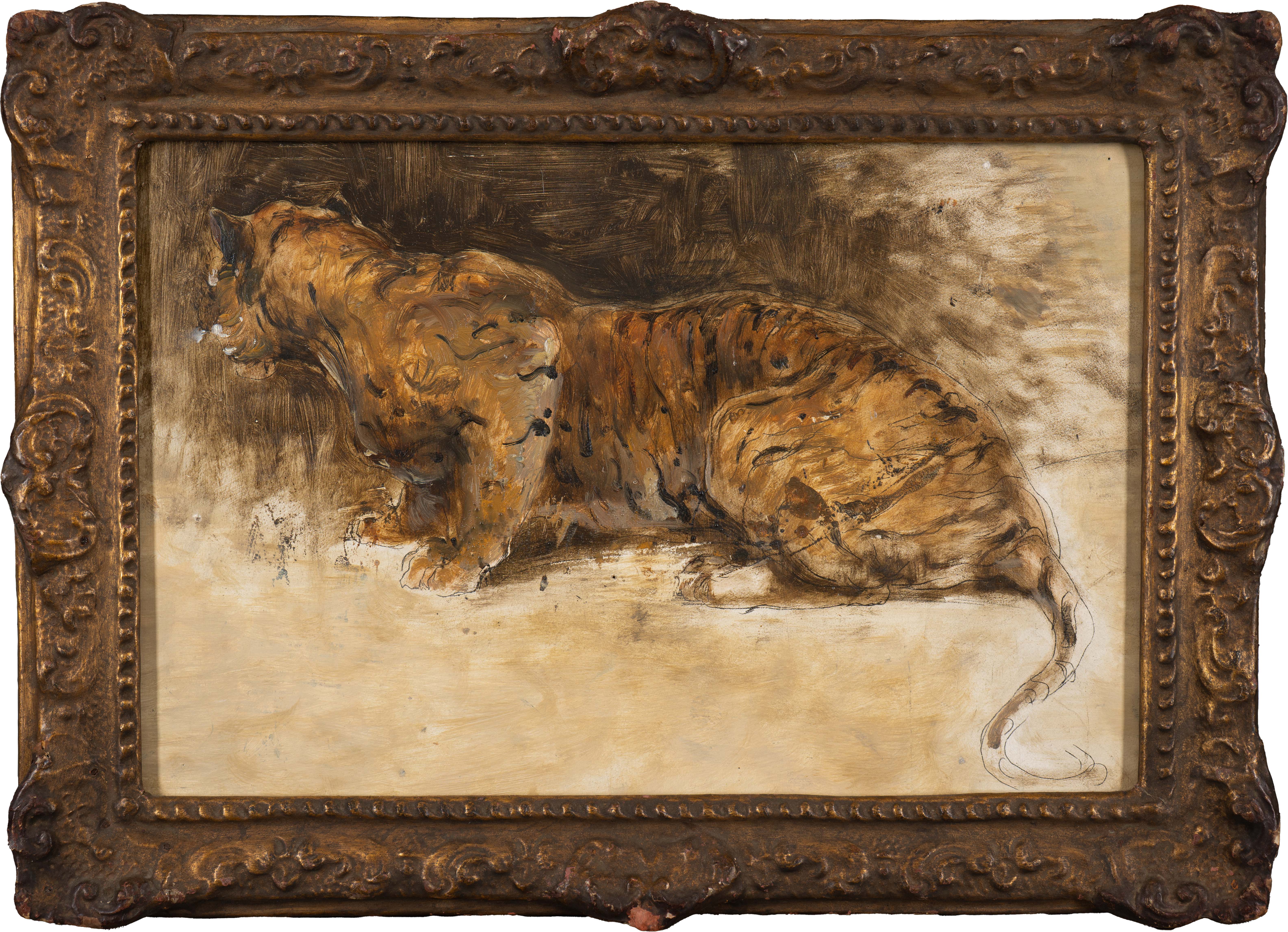
.jpg)
.png)
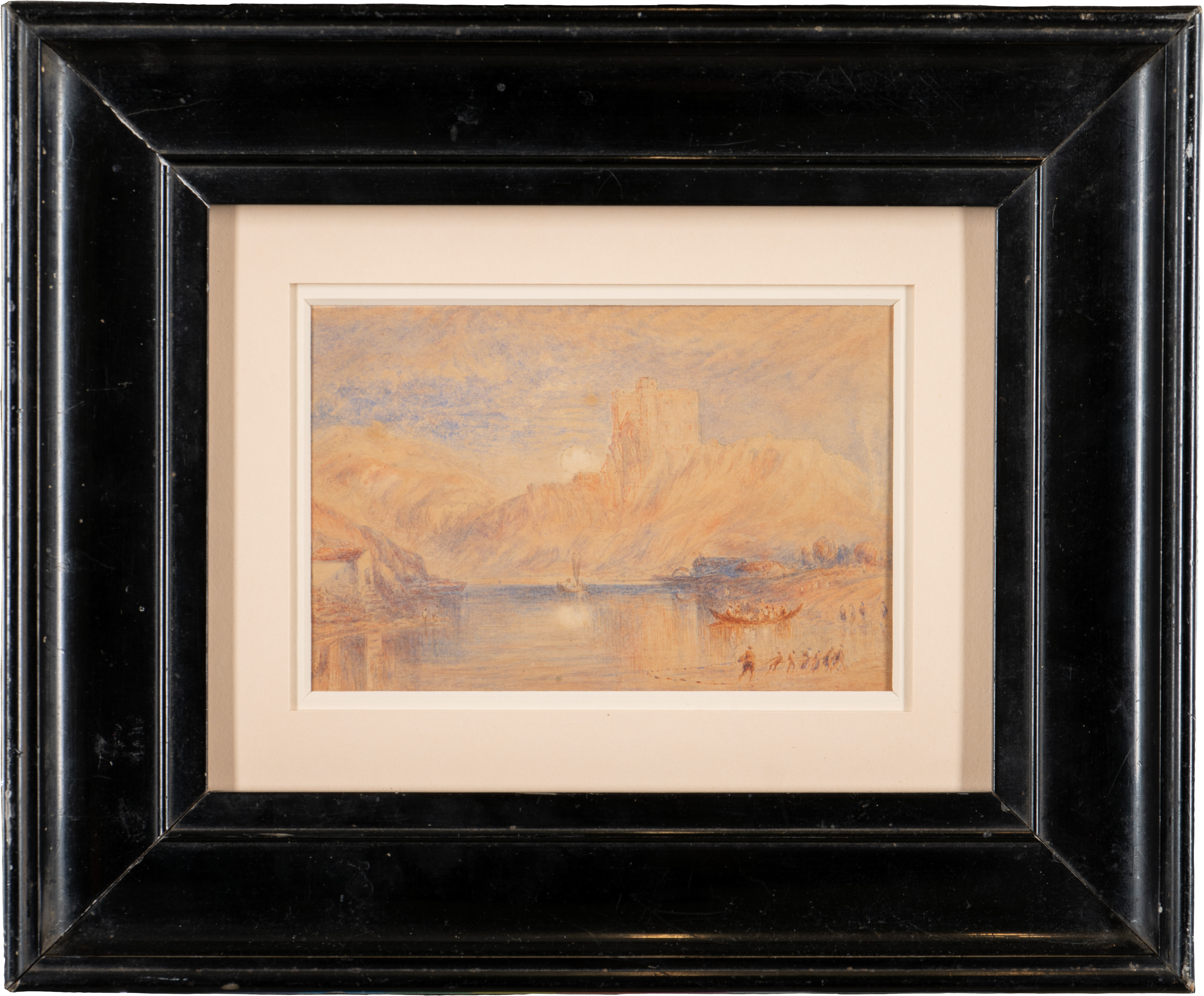
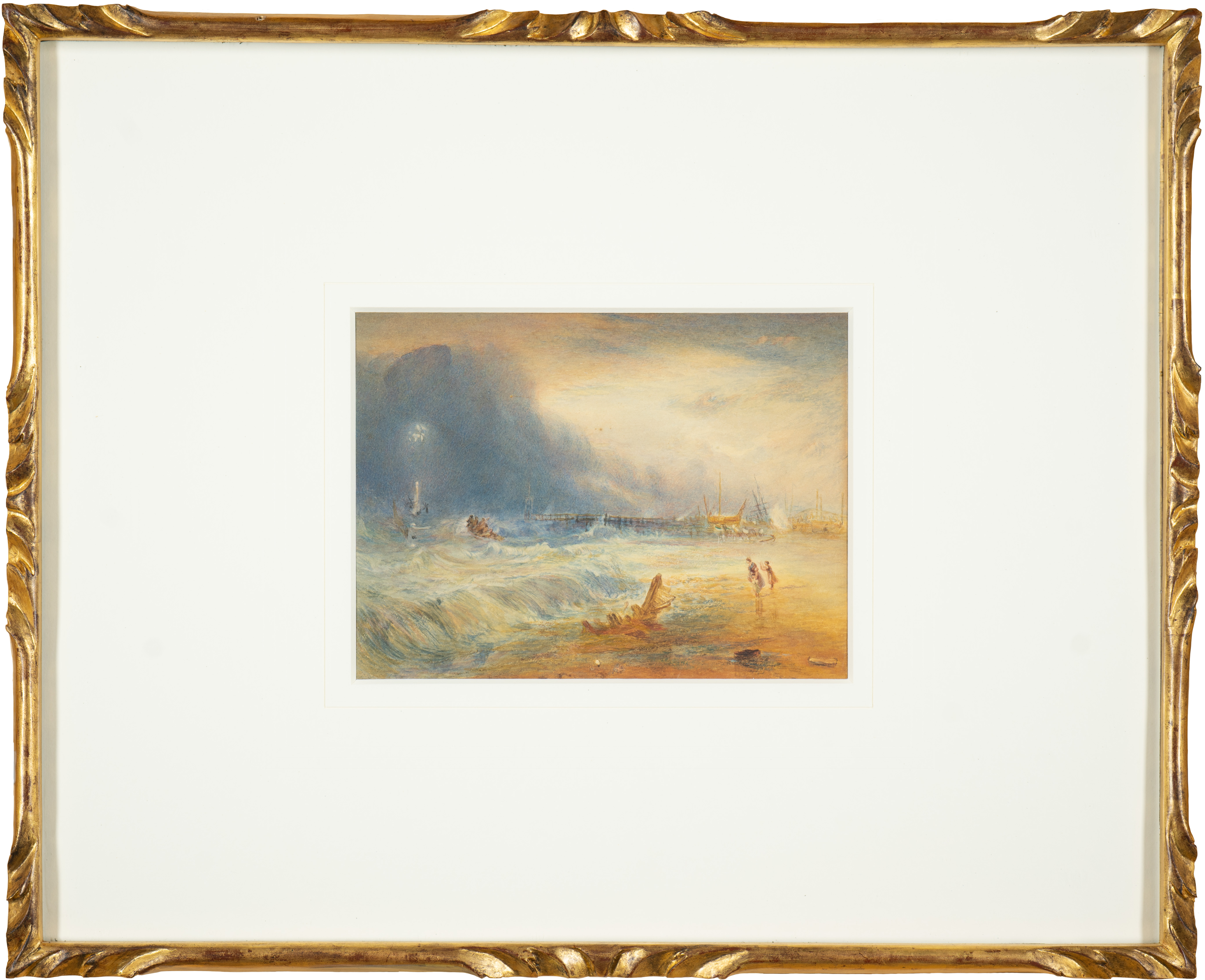
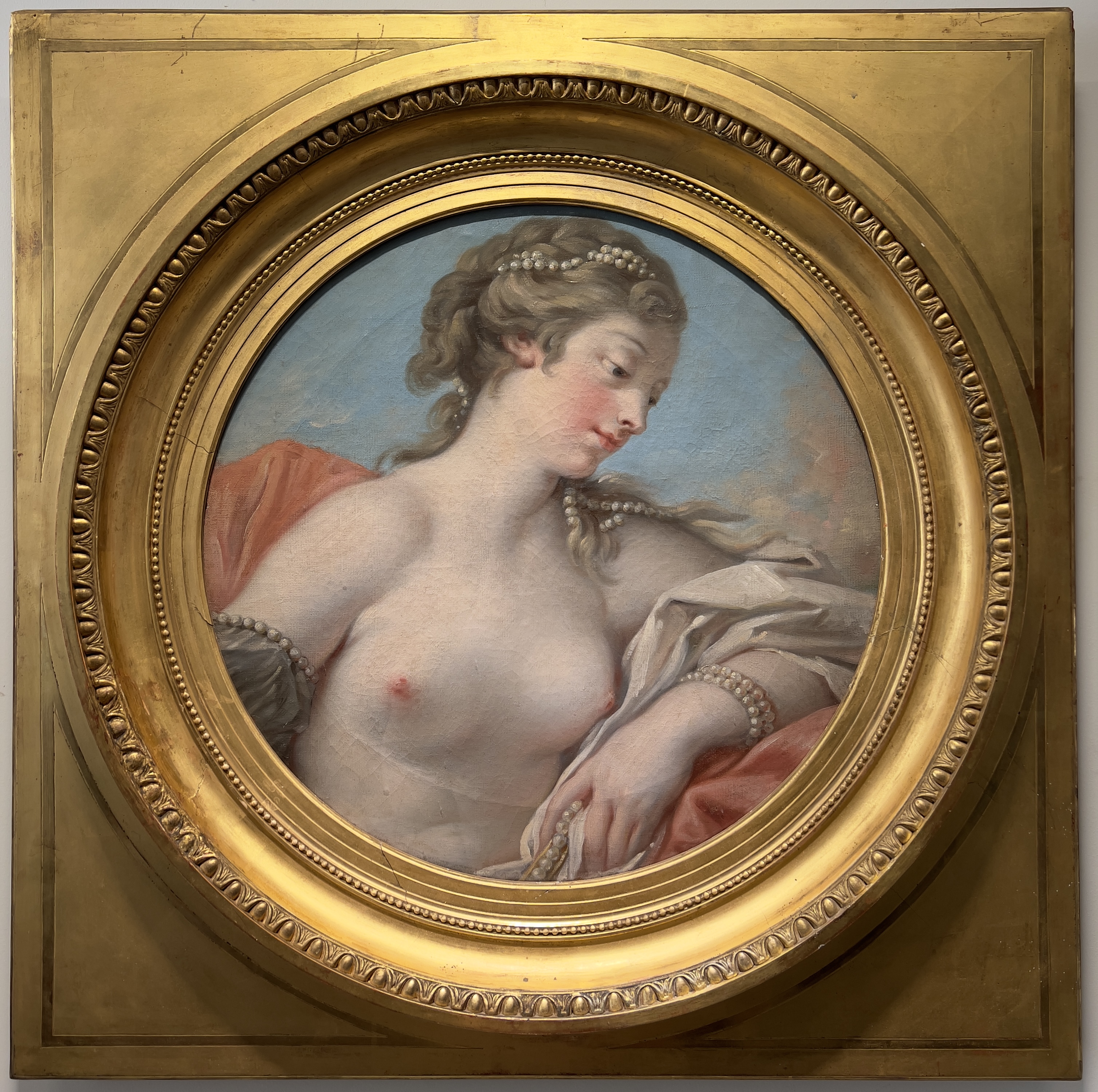
Romanticism & Neoclassicism
Neoclassicism: c. 1750 – 1830
Romanticism: c. 1780 – 1850
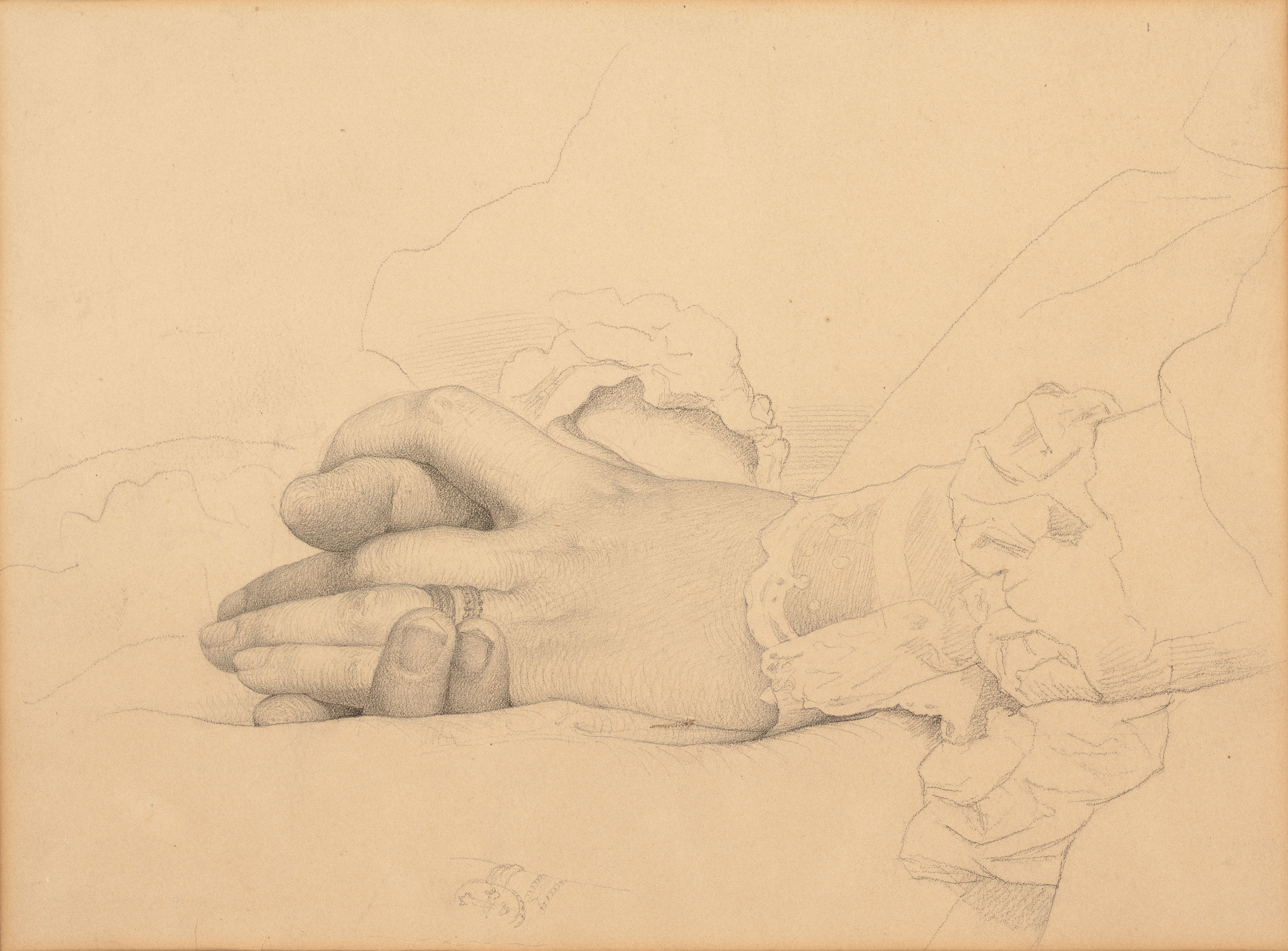
Neoclassicism looked to ancient Greece and Rome as models of order, reason, morality, and heroic virtue. Romanticism, by contrast, emphasized emotion, imagination, nature, historical drama, and individual experience. Together, these two movements shaped European art from the late eighteenth to the mid-nineteenth century.
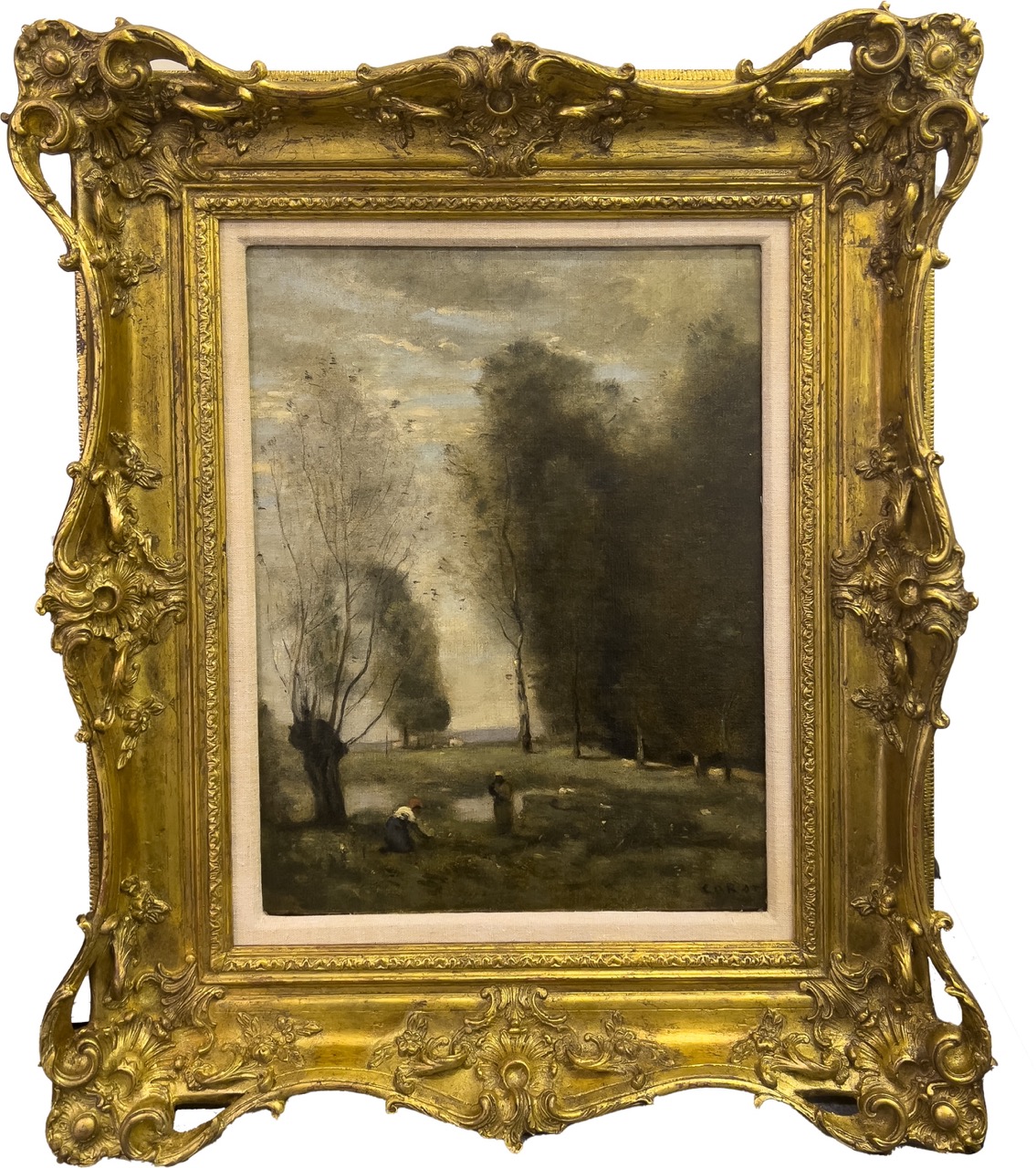
.JPG)
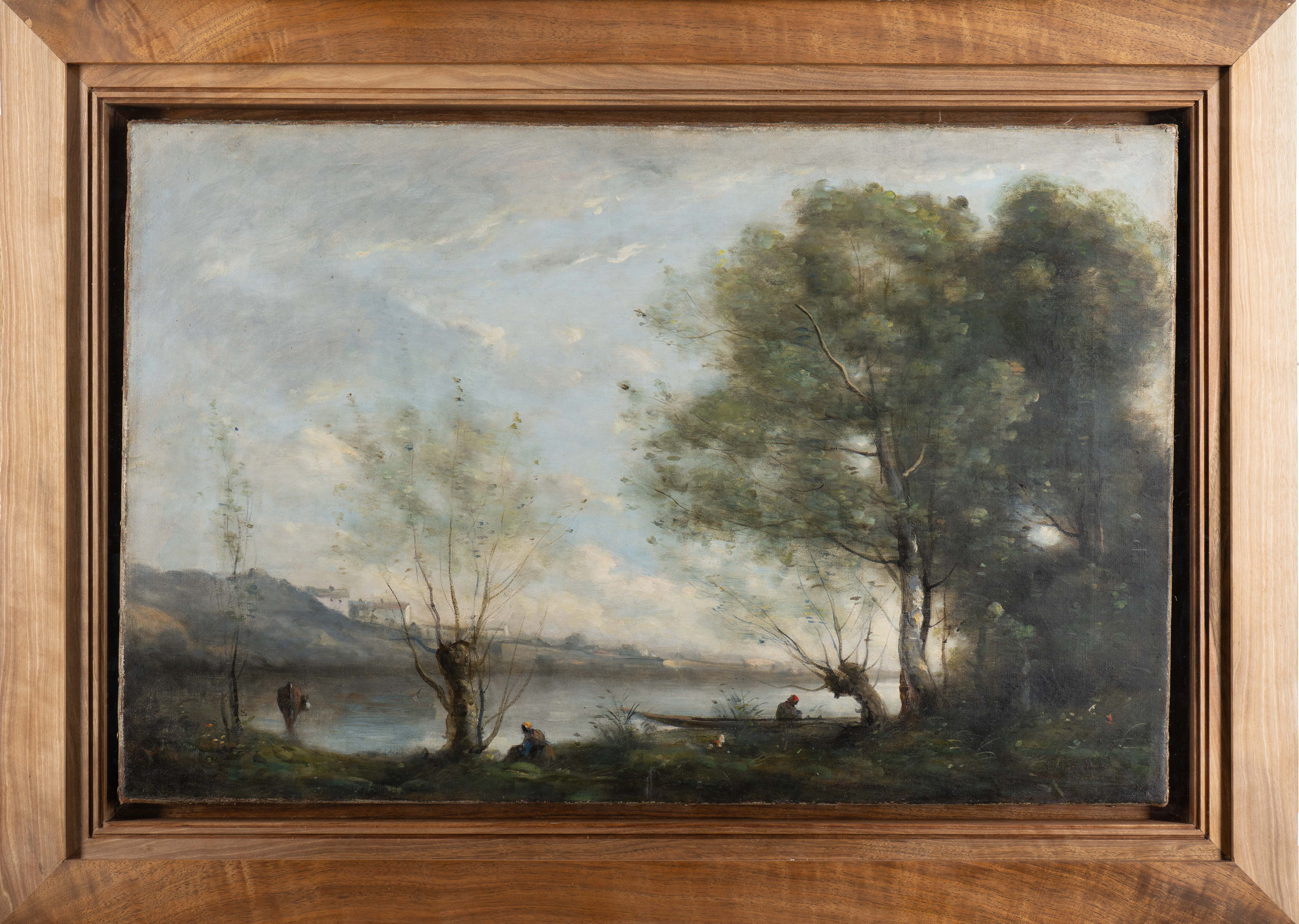
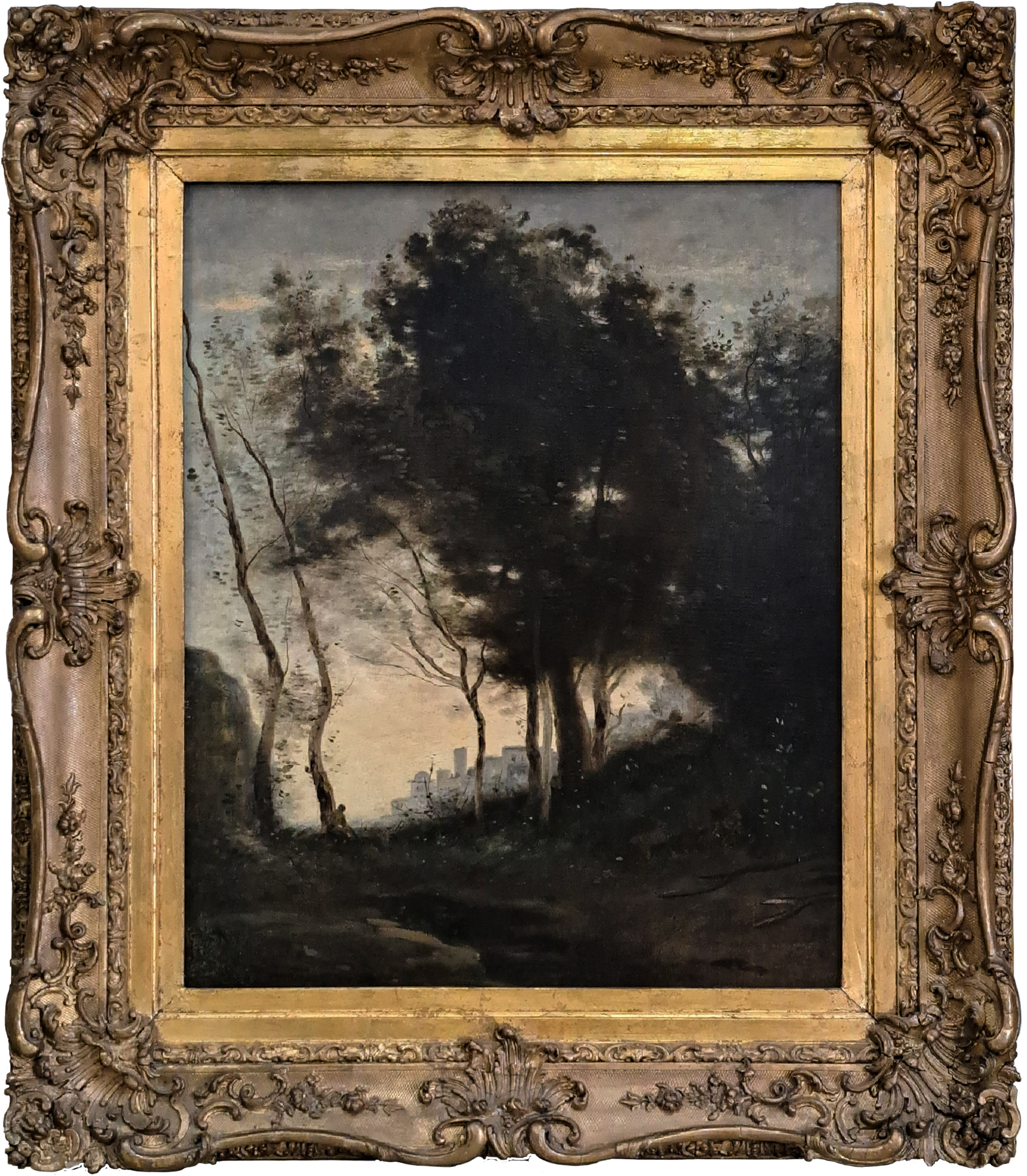
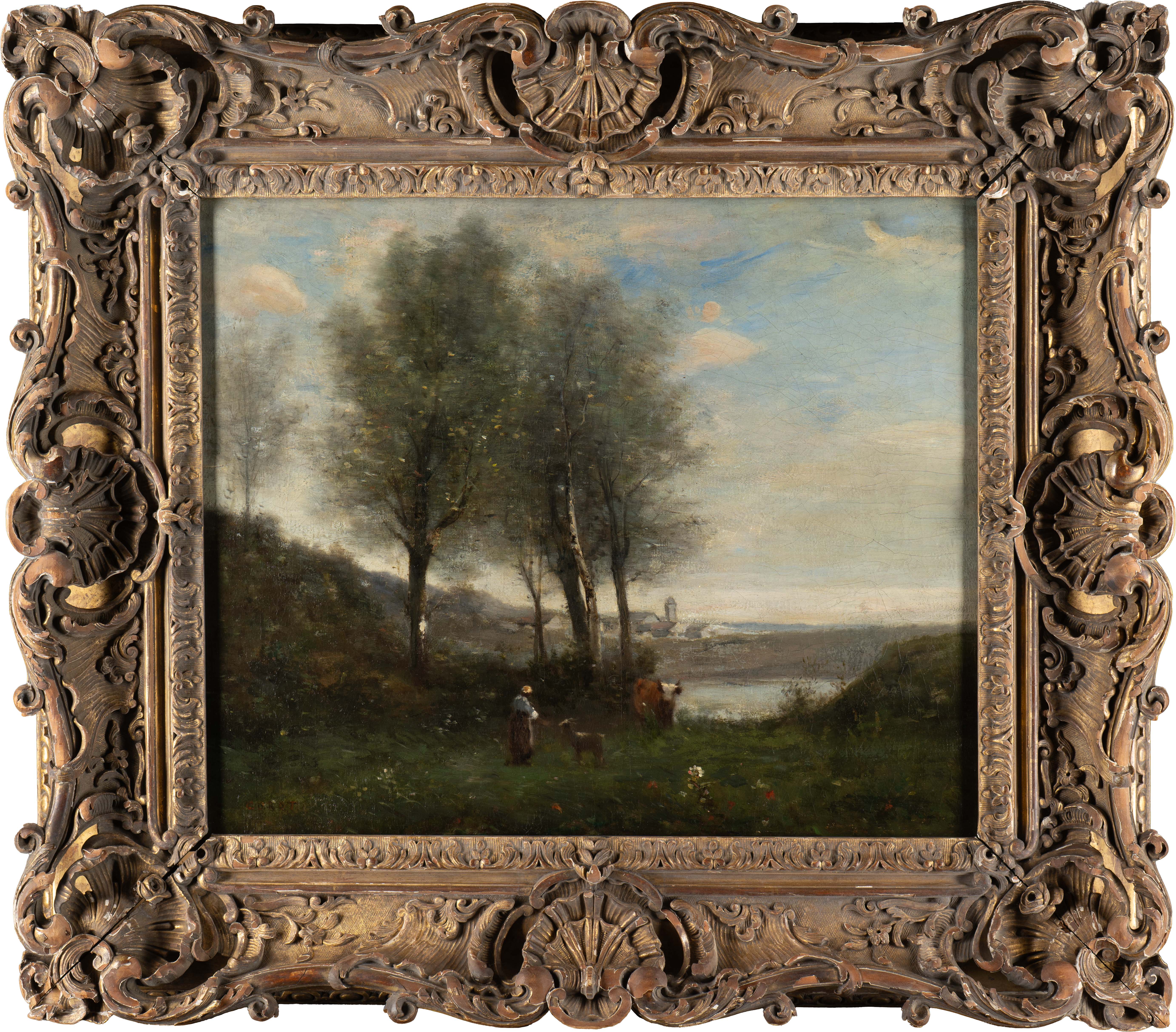
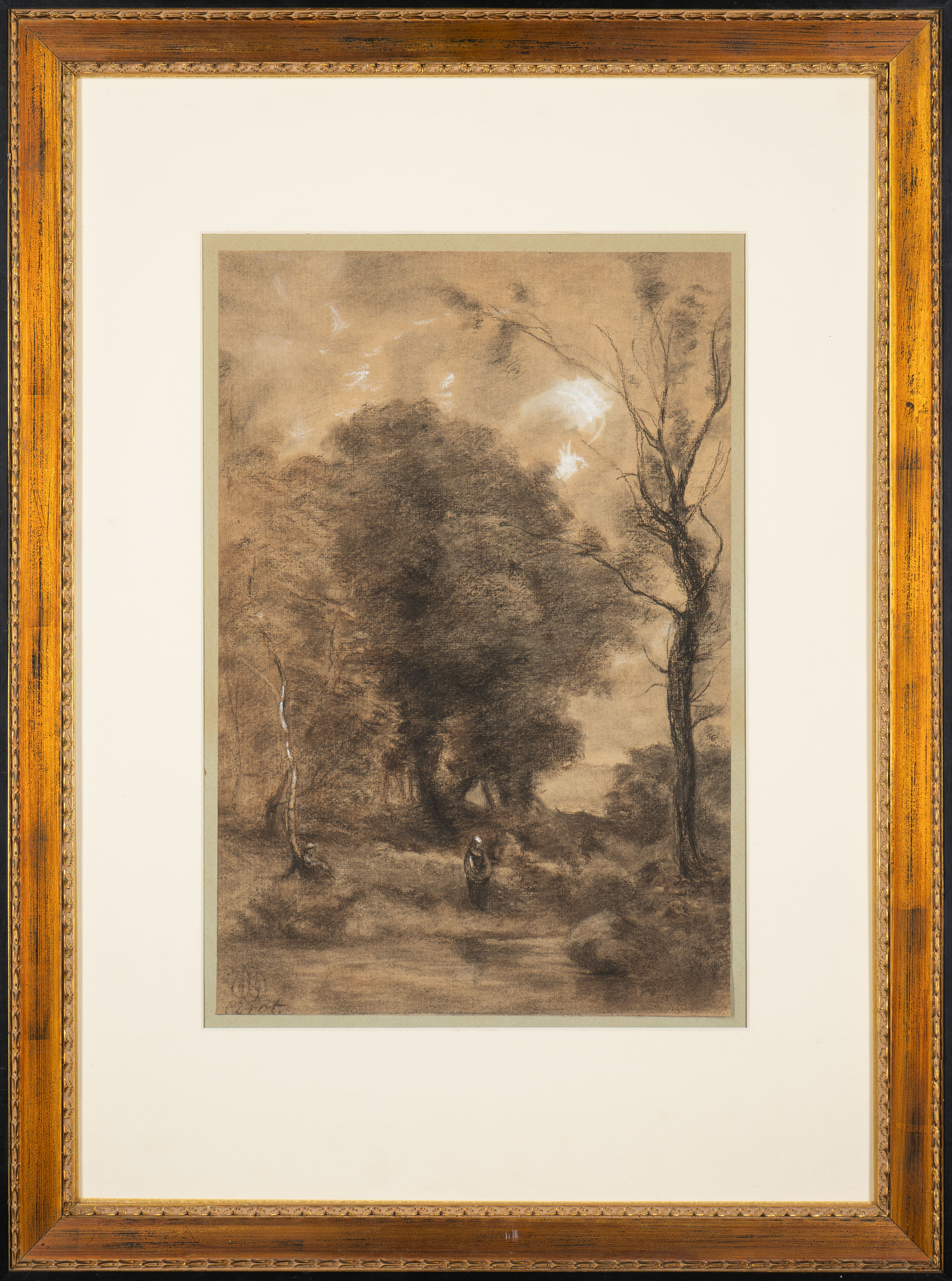

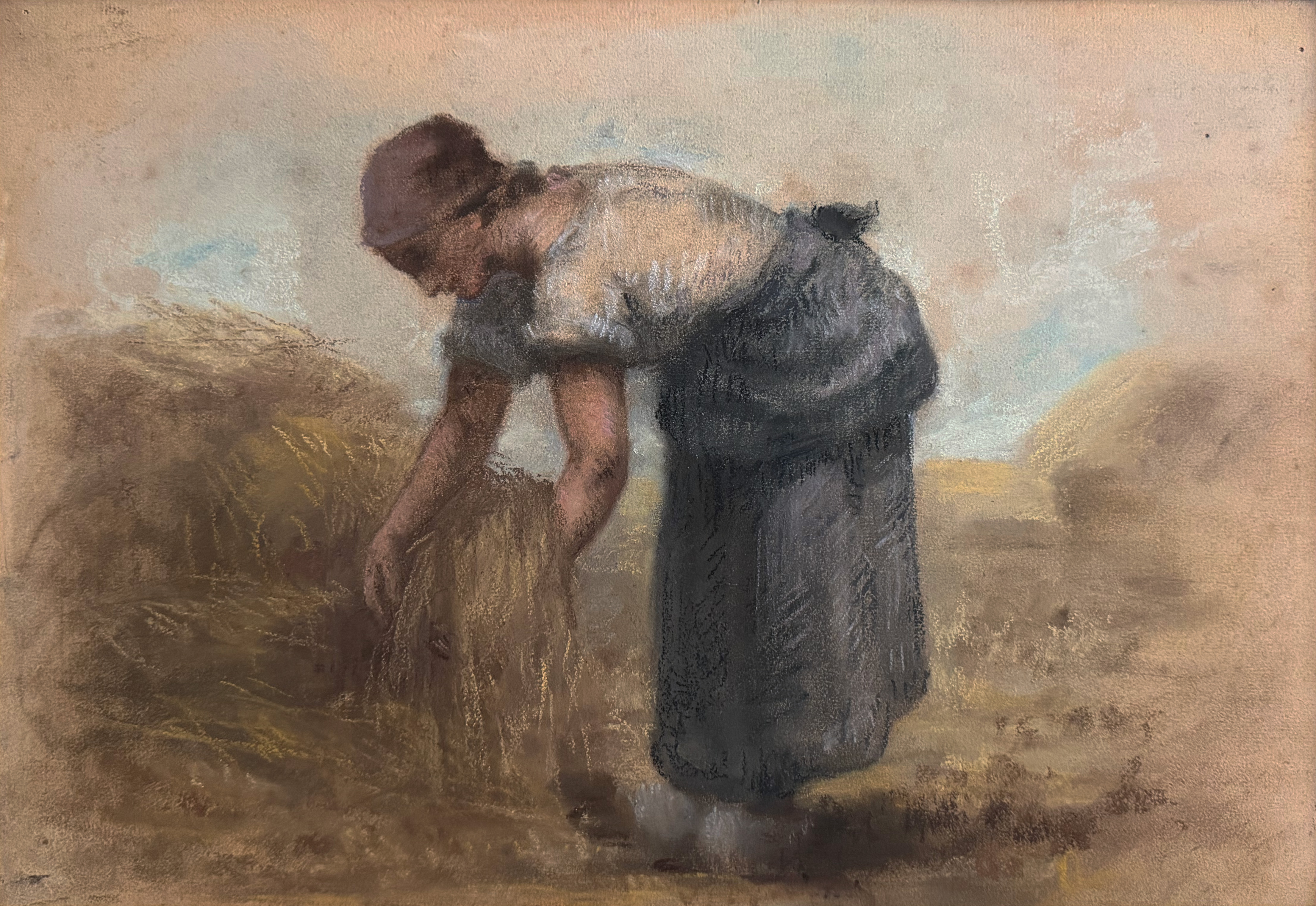
Barbizon
c. 1830 – 1870
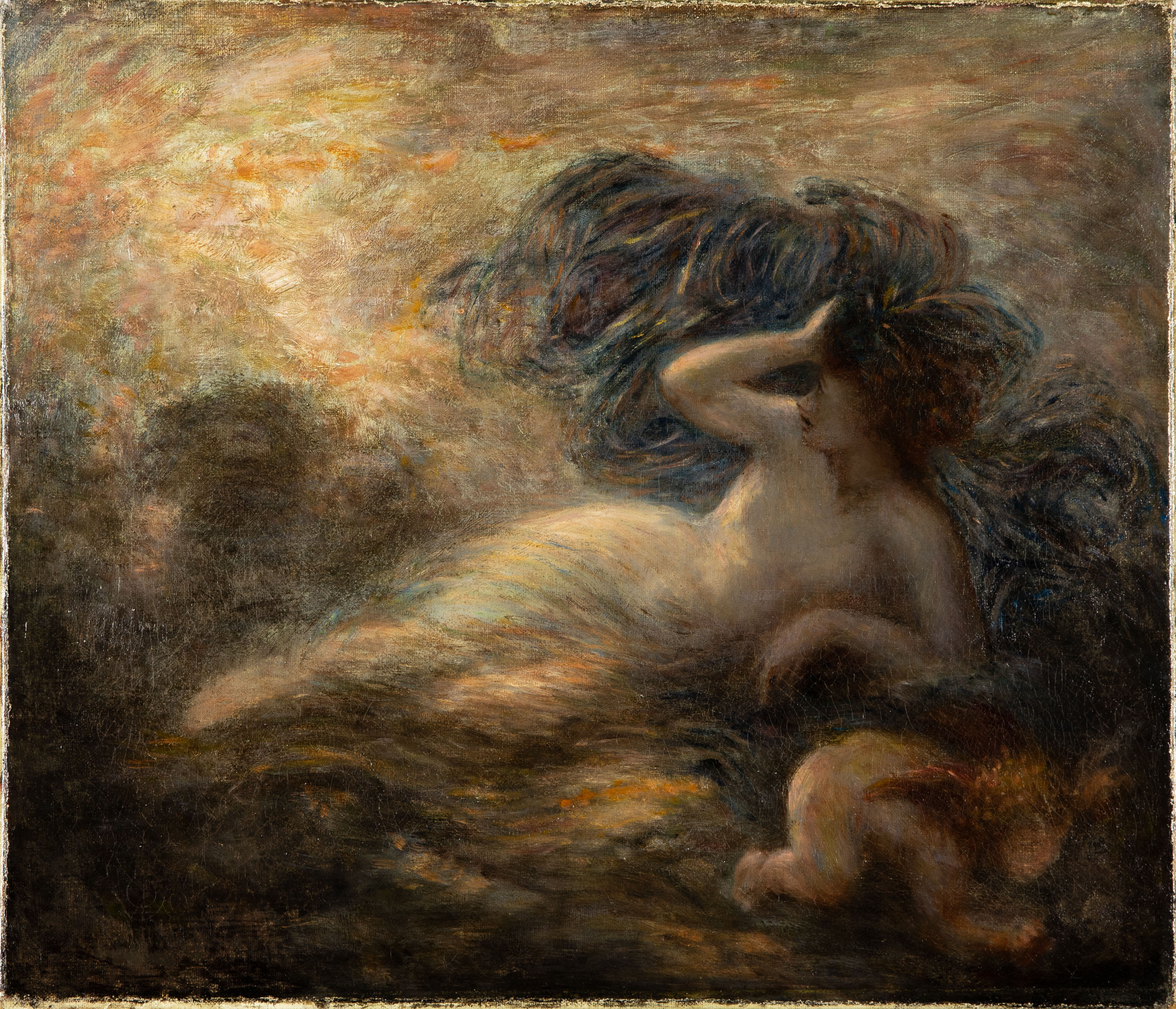
The Barbizon School developed around the village of Barbizon near the Forest of Fontainebleau in France. Its artists focused on direct observation of nature, rural landscapes, and peasant life, creating a more natural and sincere approach to landscape painting that helped prepare the way for Realism and Impressionism.


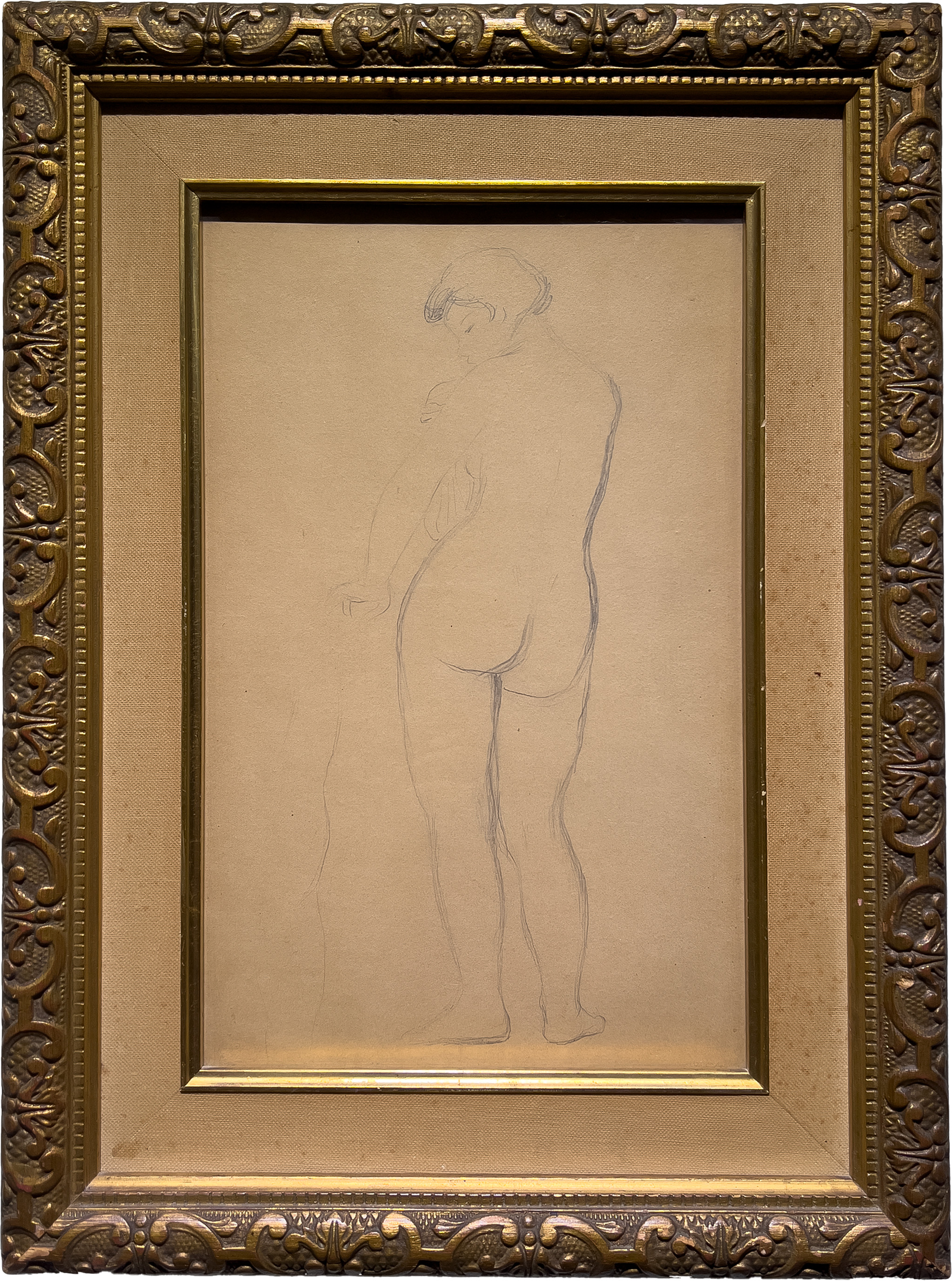
%20Impressionism.JPG)
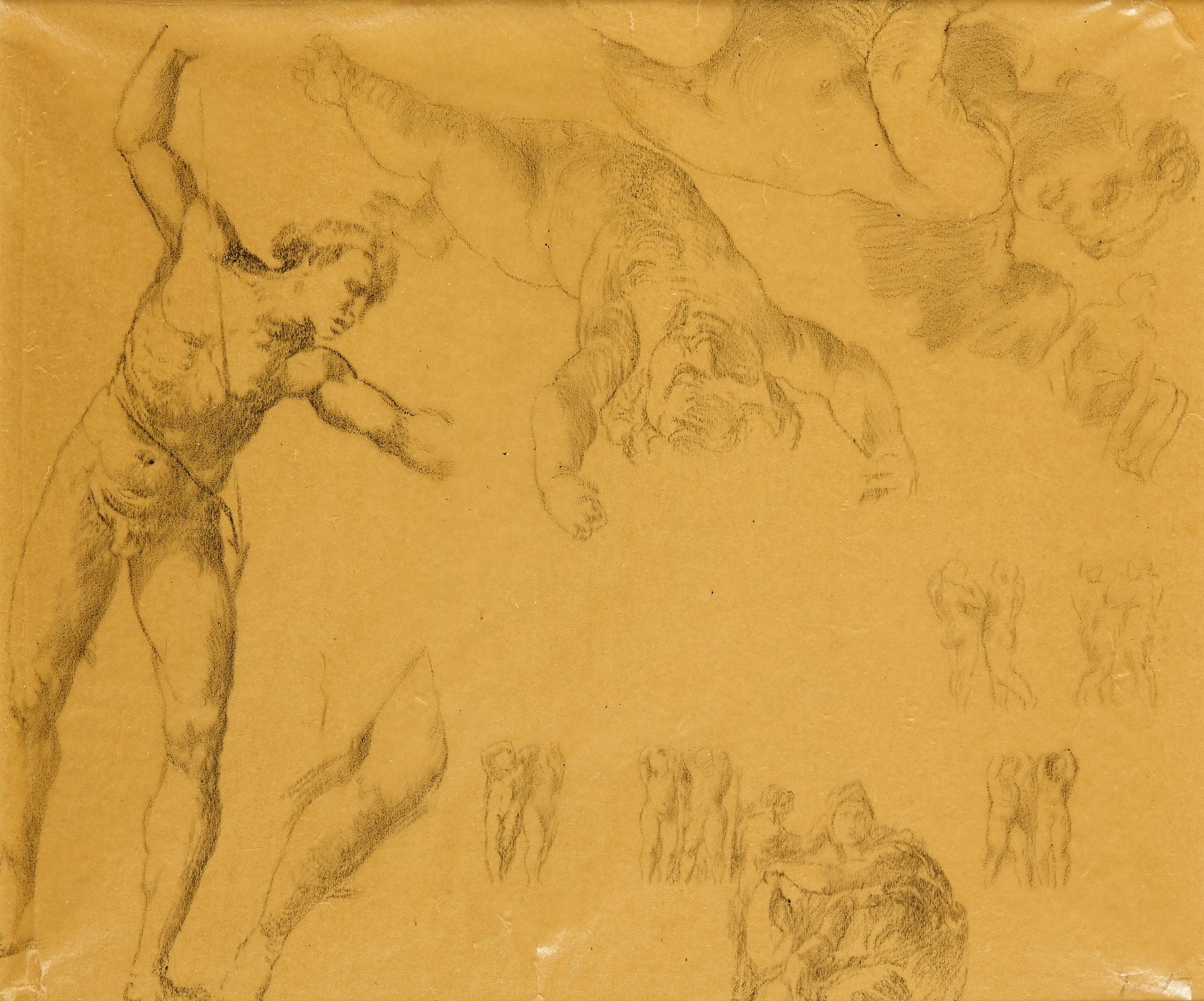
.jpg)
.jpg)
Academism
c. mid-17th century – late 19th / early 20th century
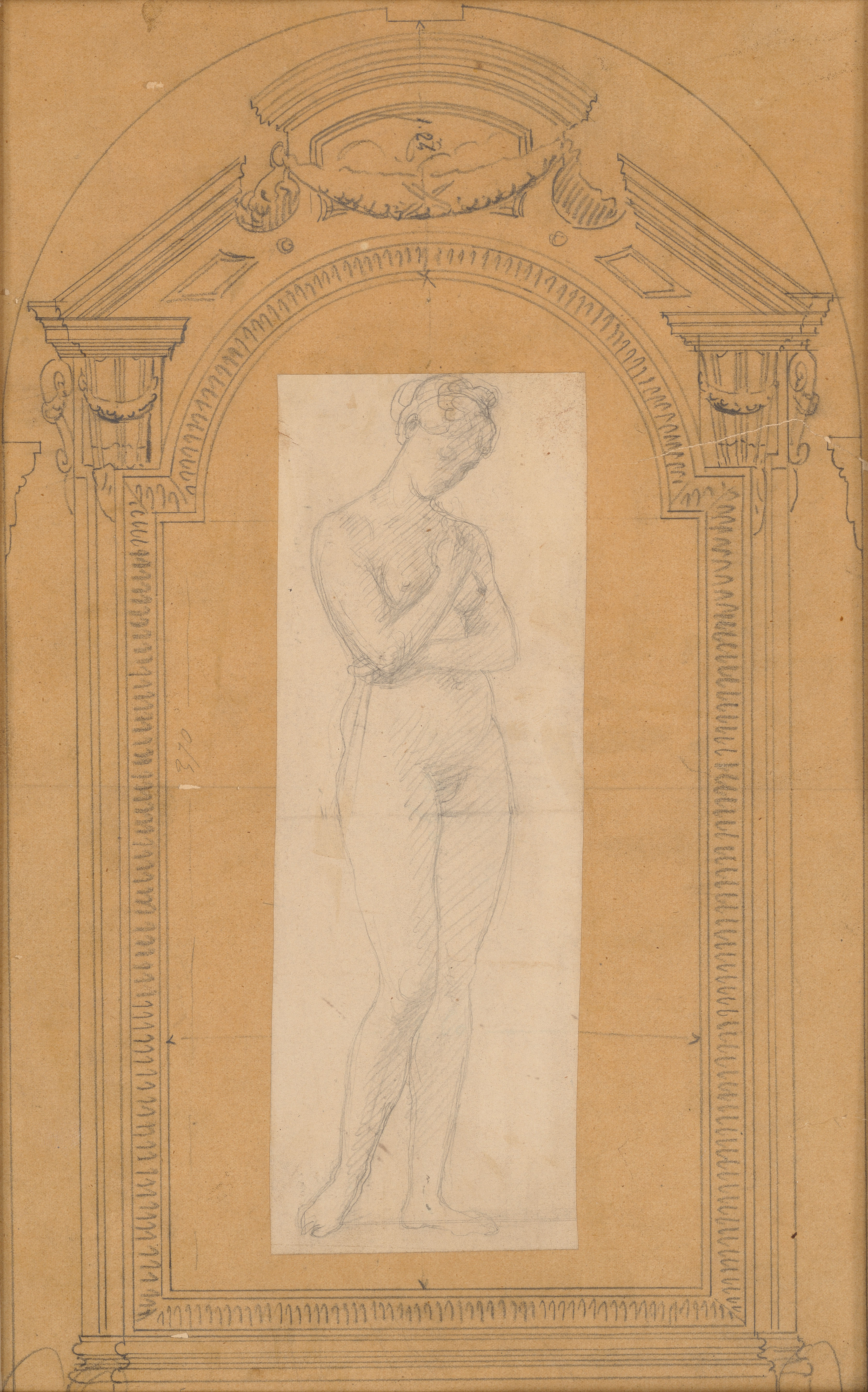
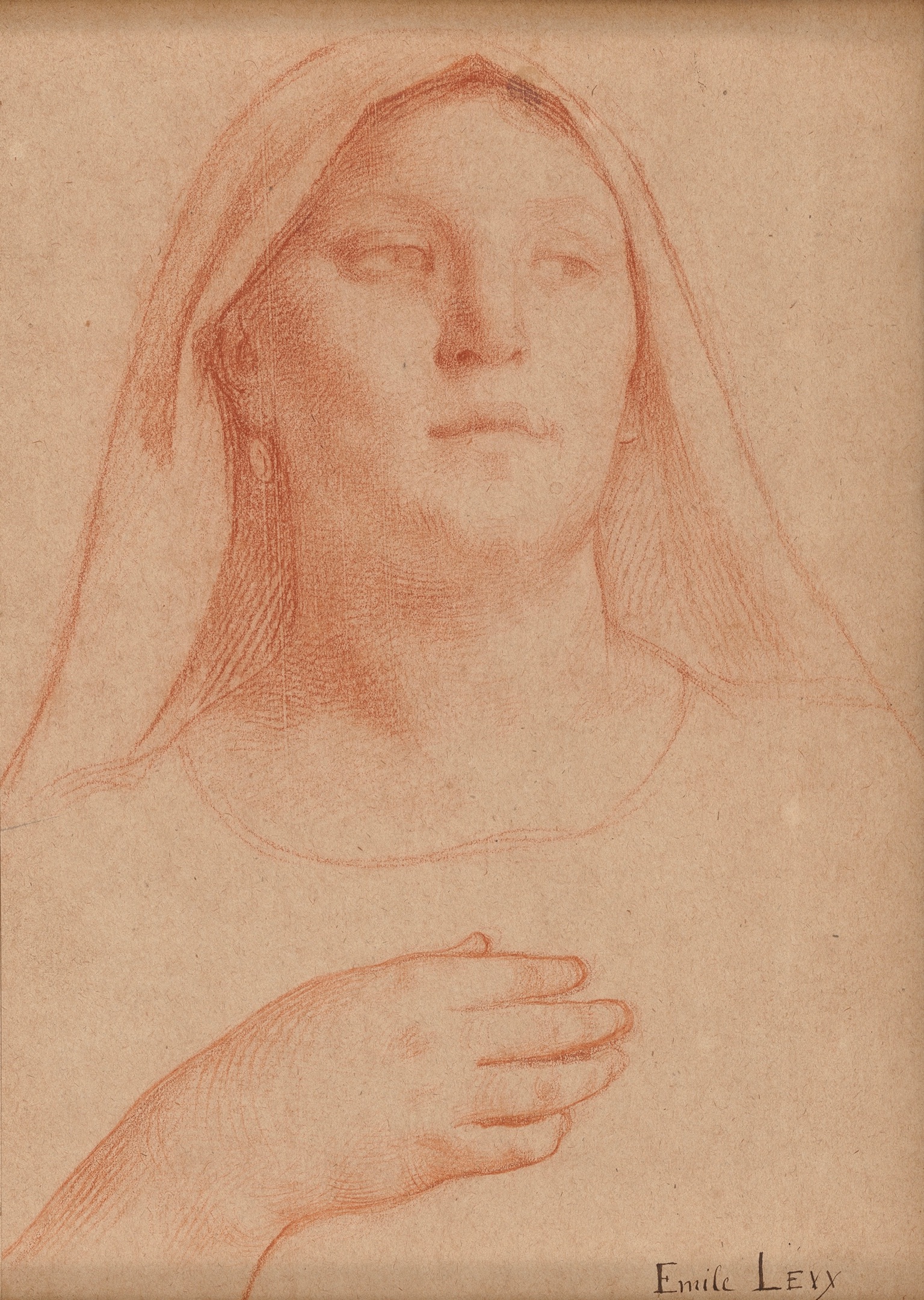
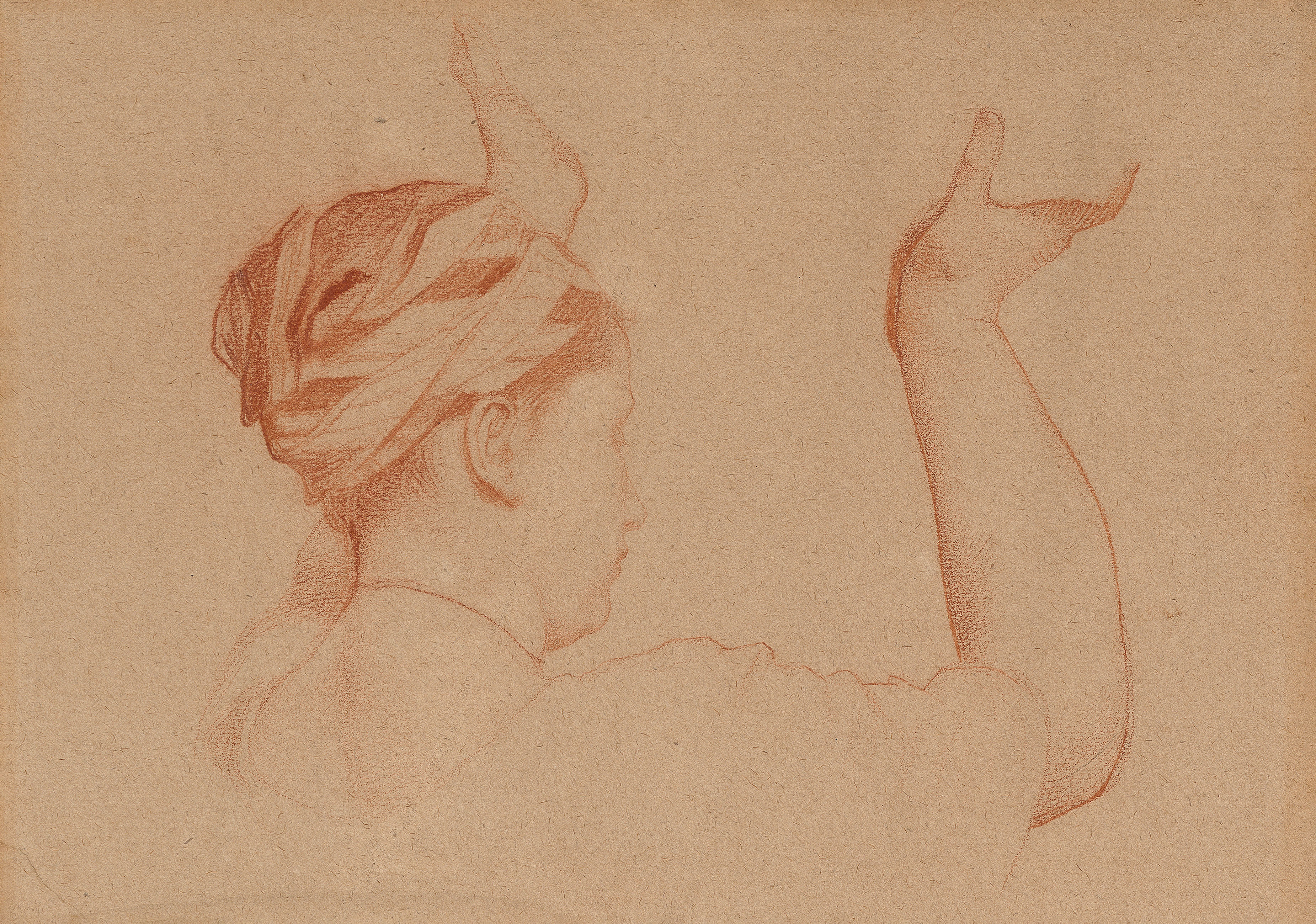
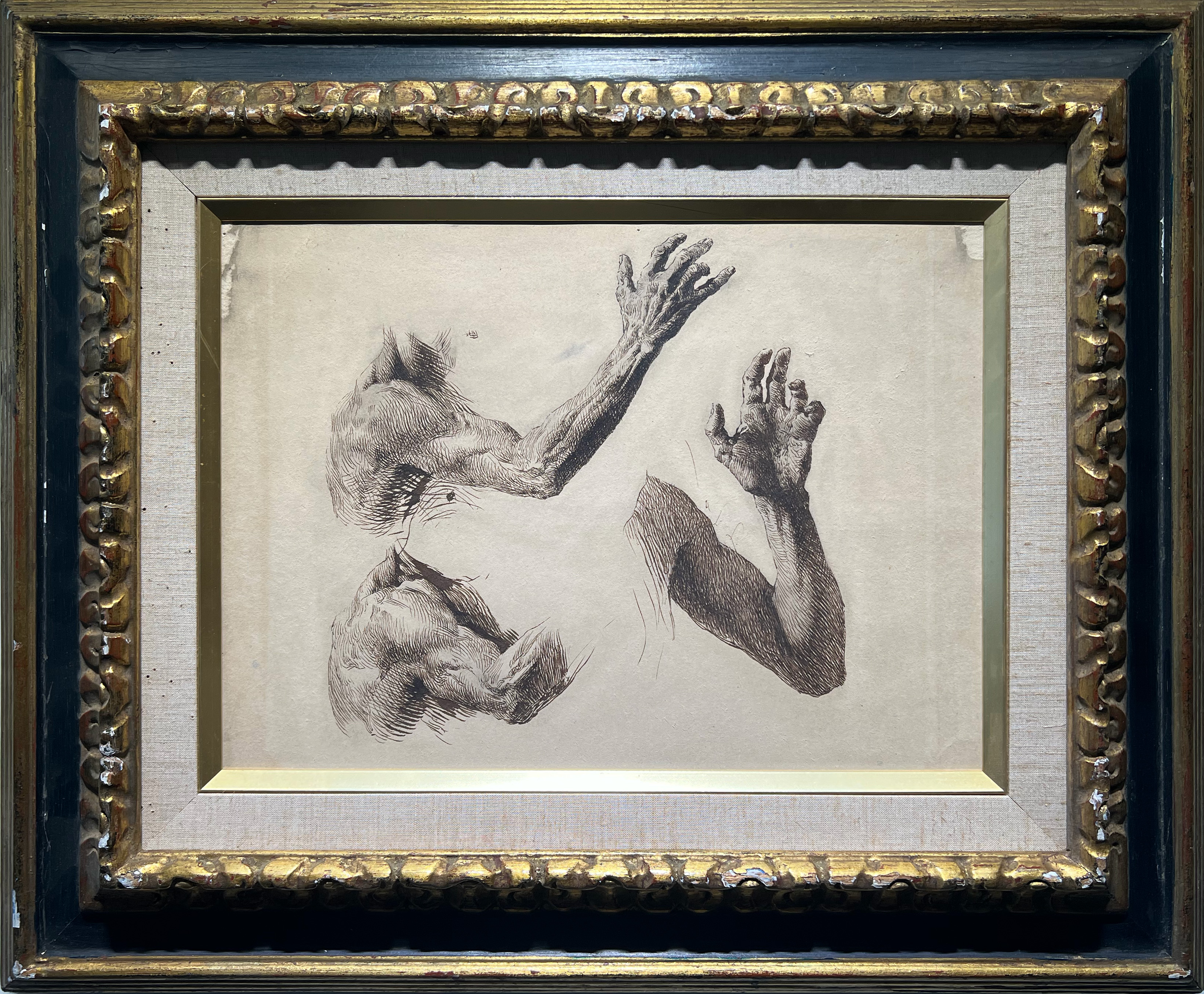
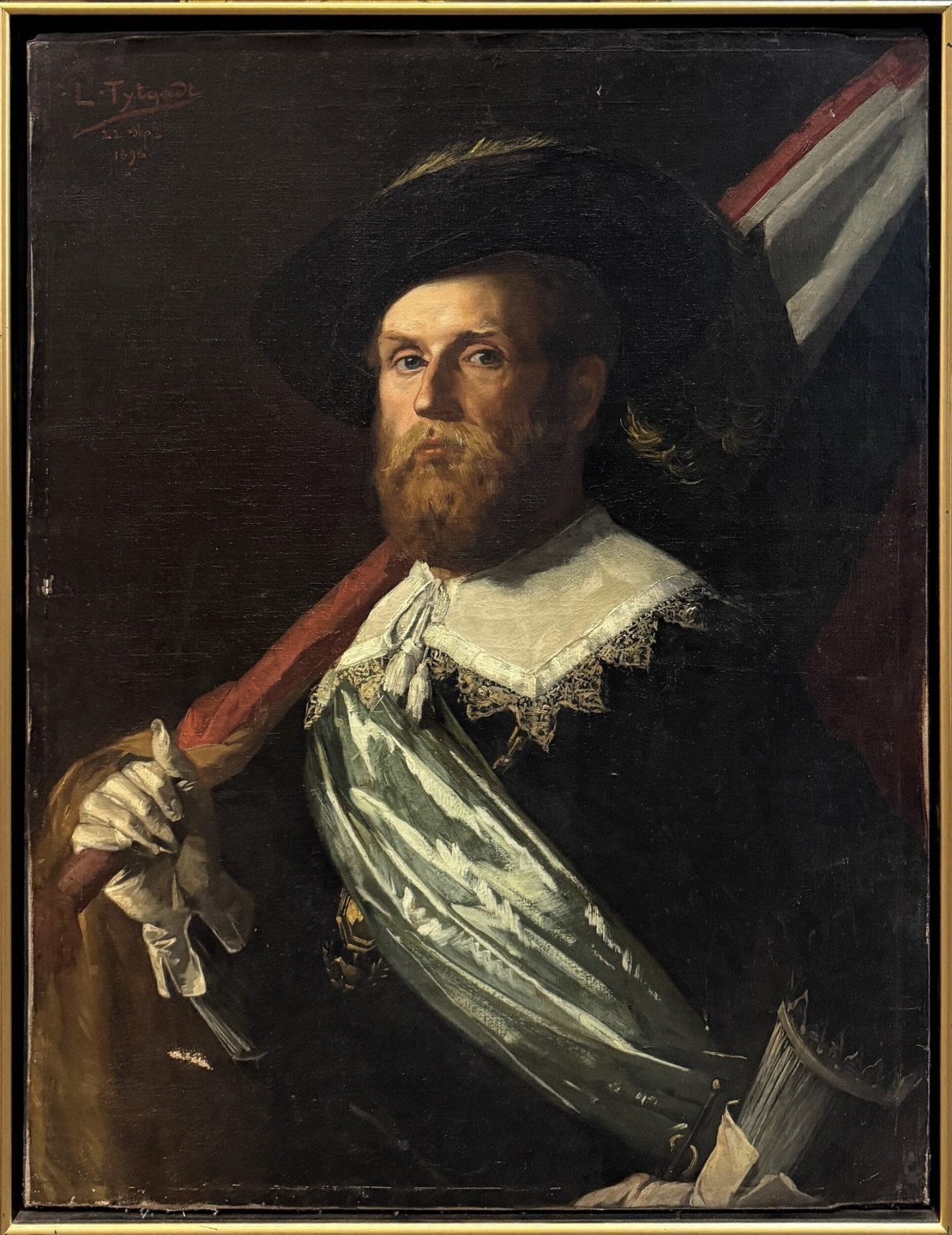
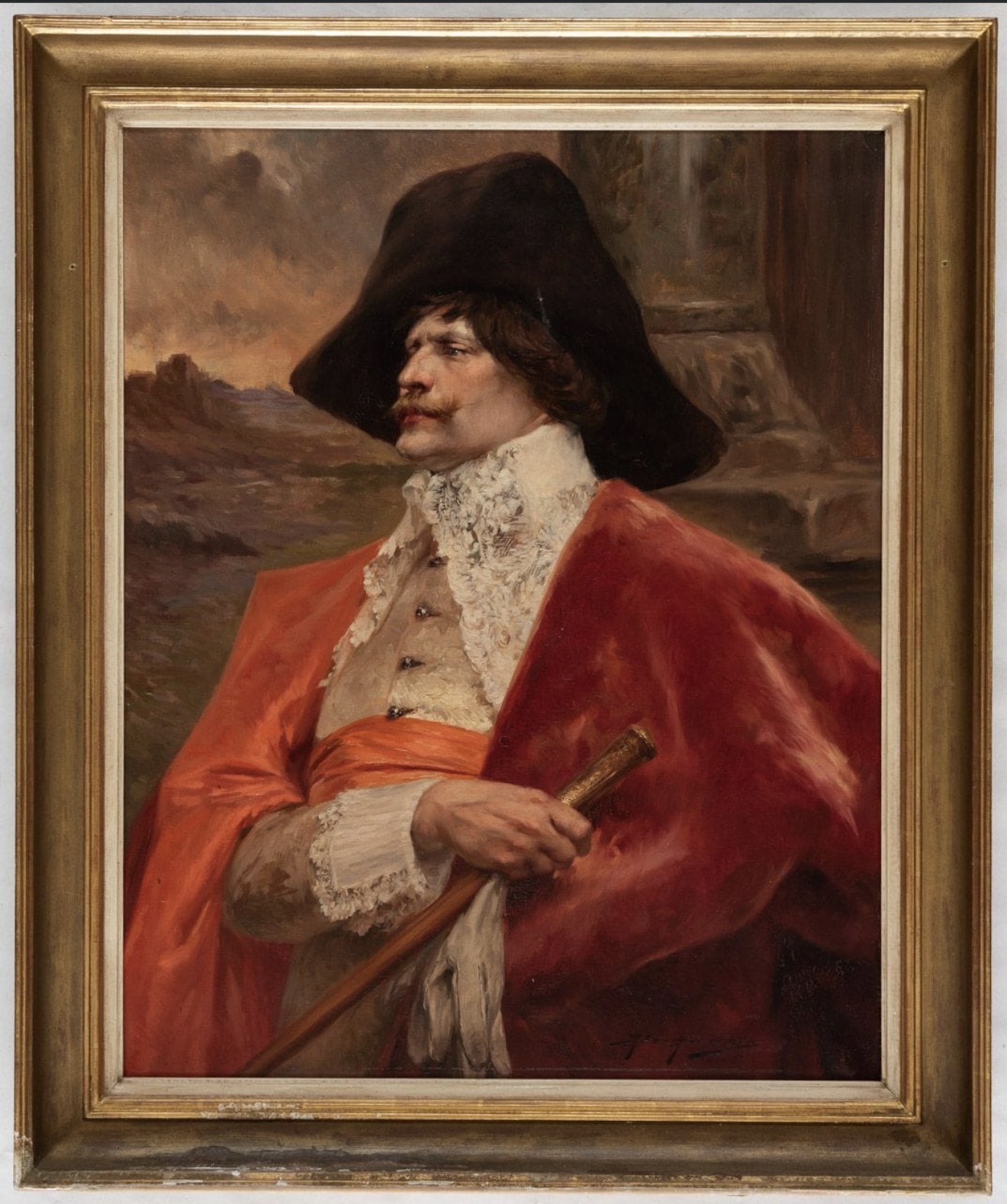
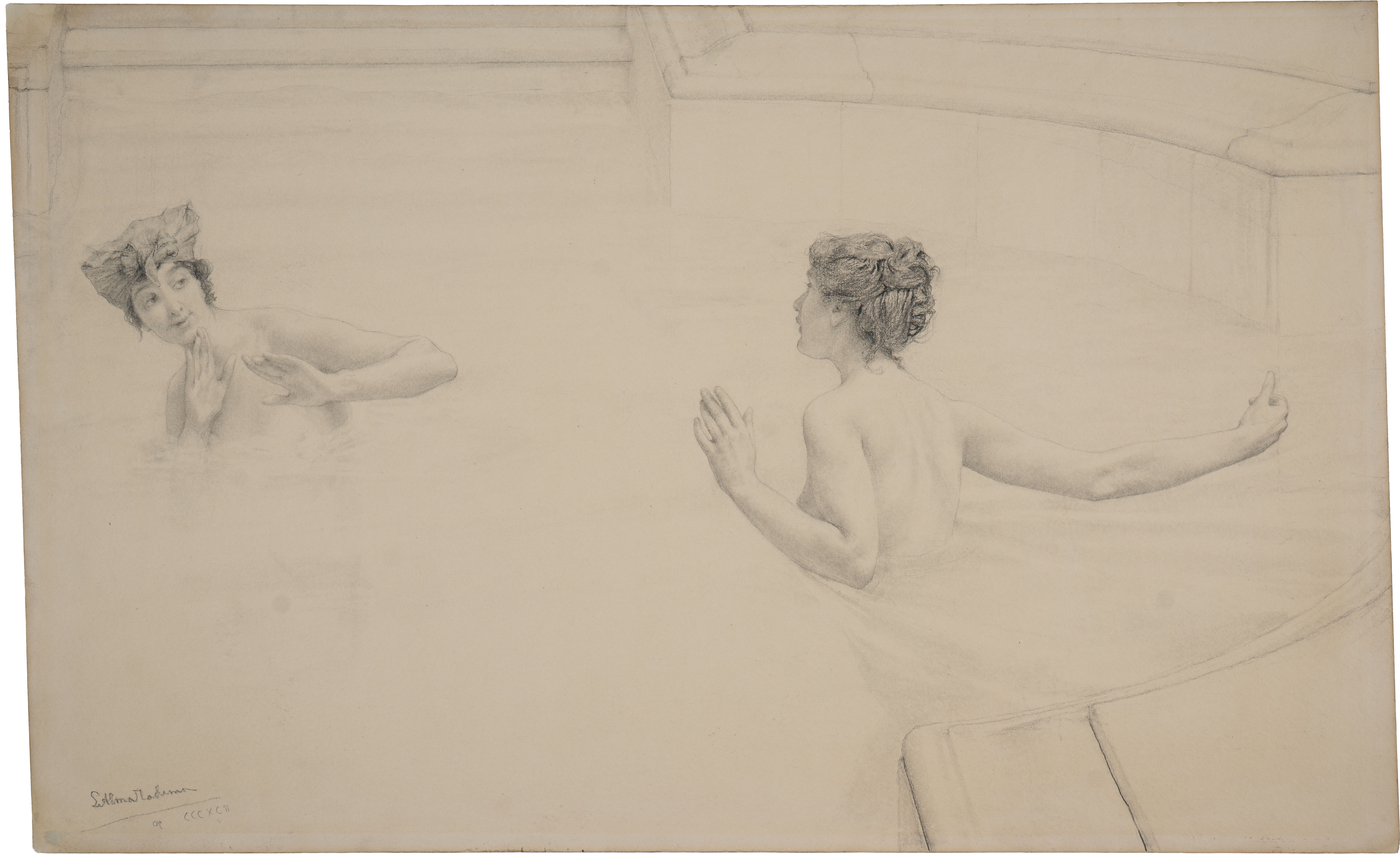
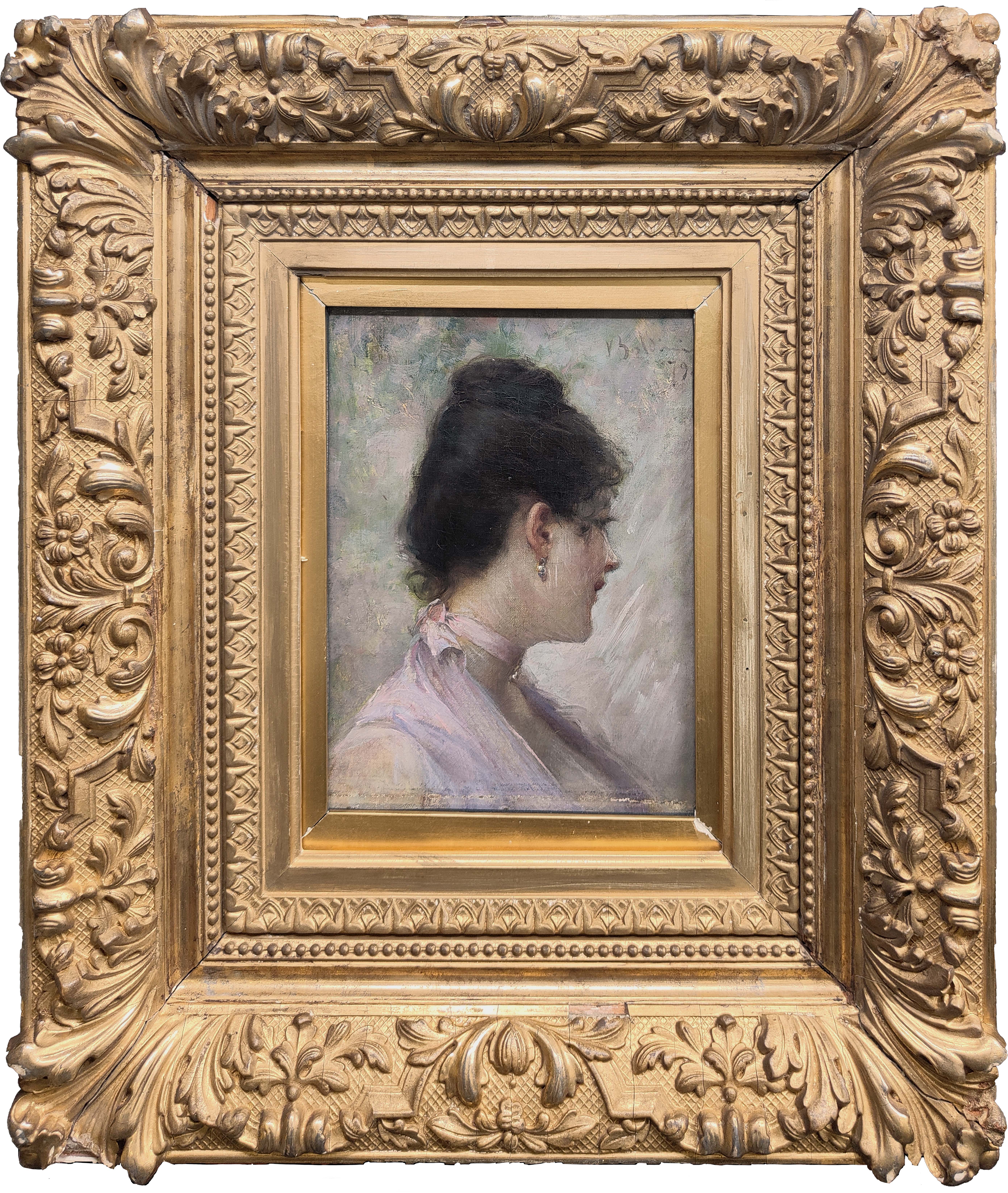
Academism refers to the artistic tradition shaped by European art academies, especially the French Royal Academy and the École des Beaux-Arts in Paris. It emphasized drawing, anatomy, historical subjects, idealized form, technical discipline, and carefully structured composition, dominating much of official Salon art in the nineteenth century.
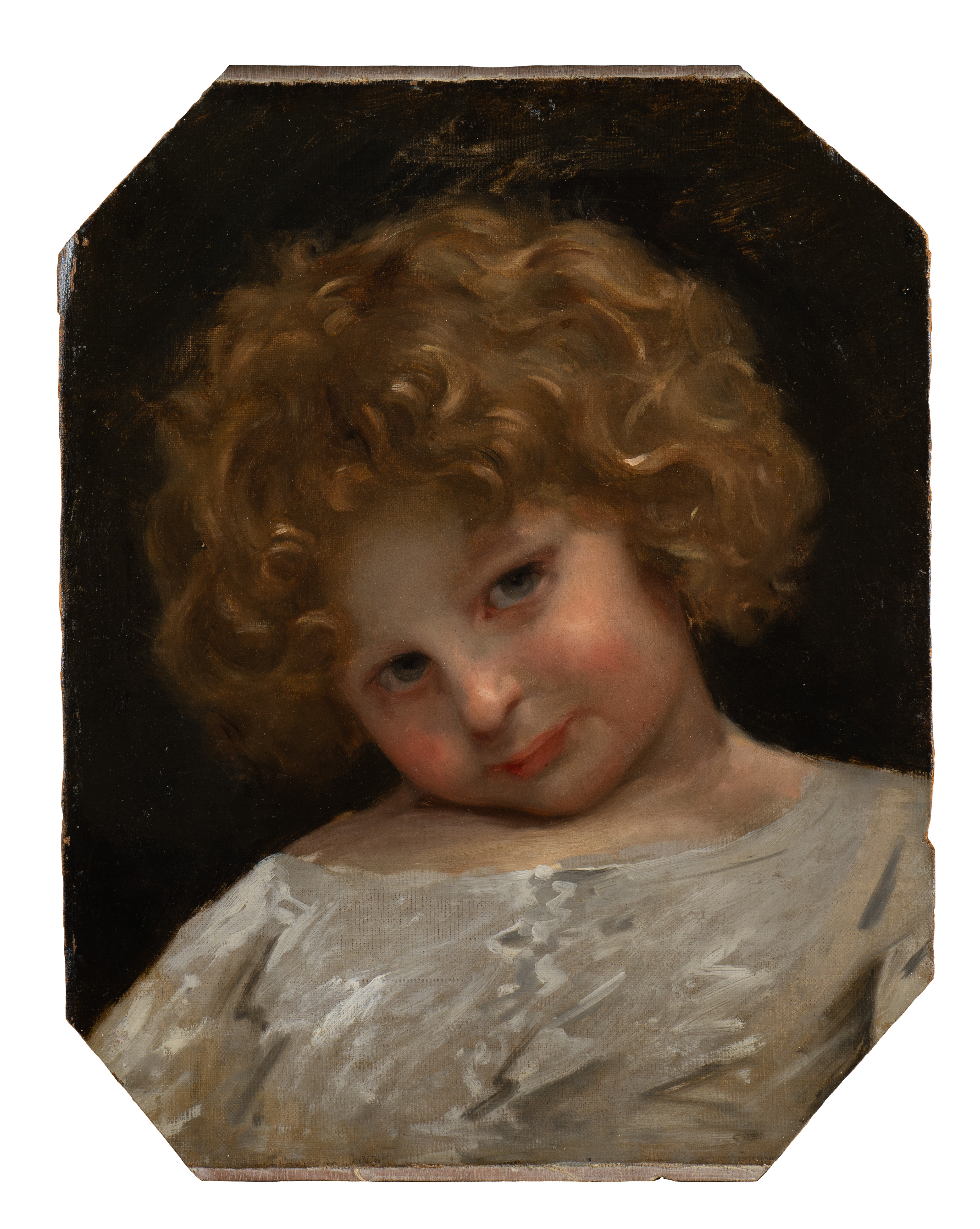
.jpg)
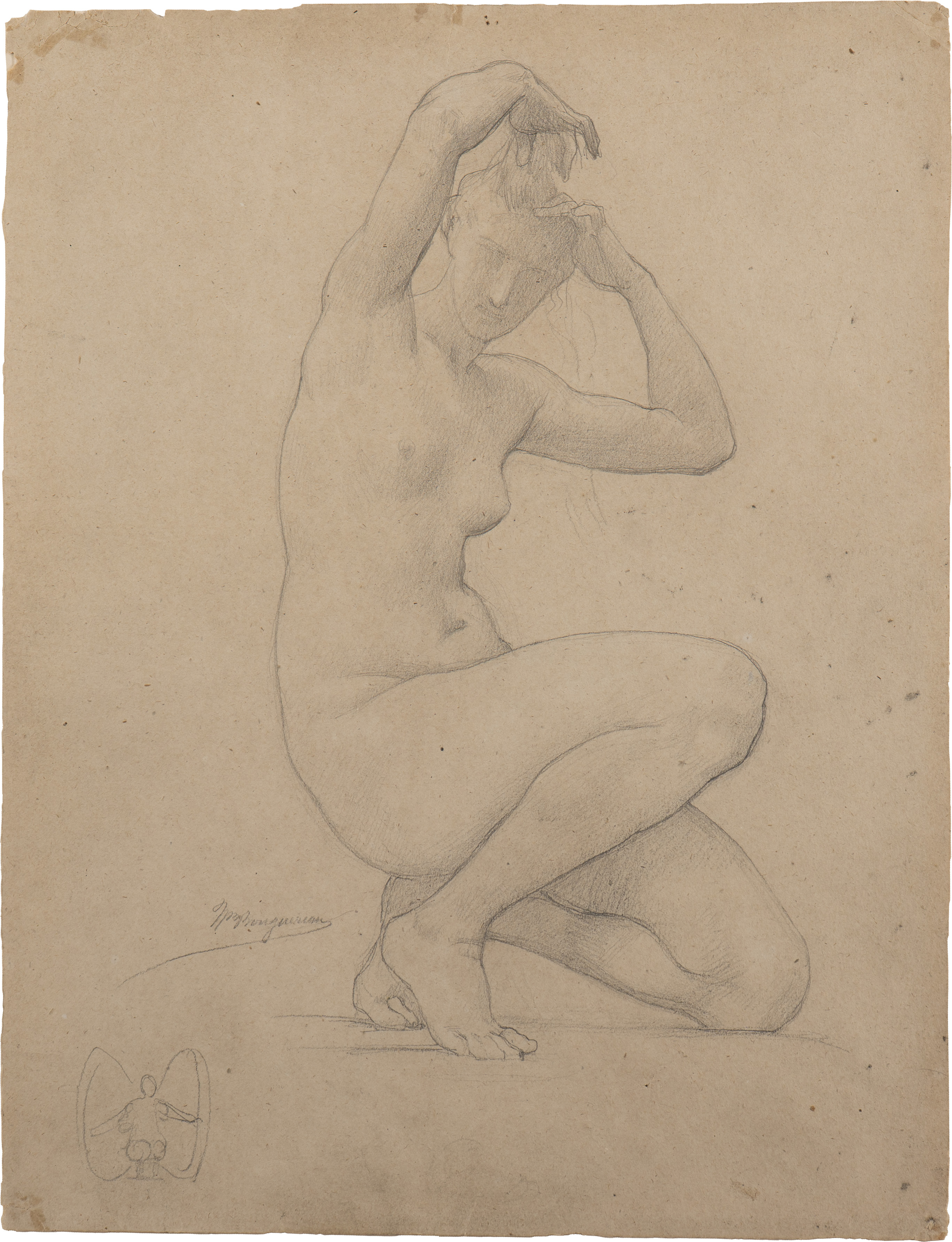
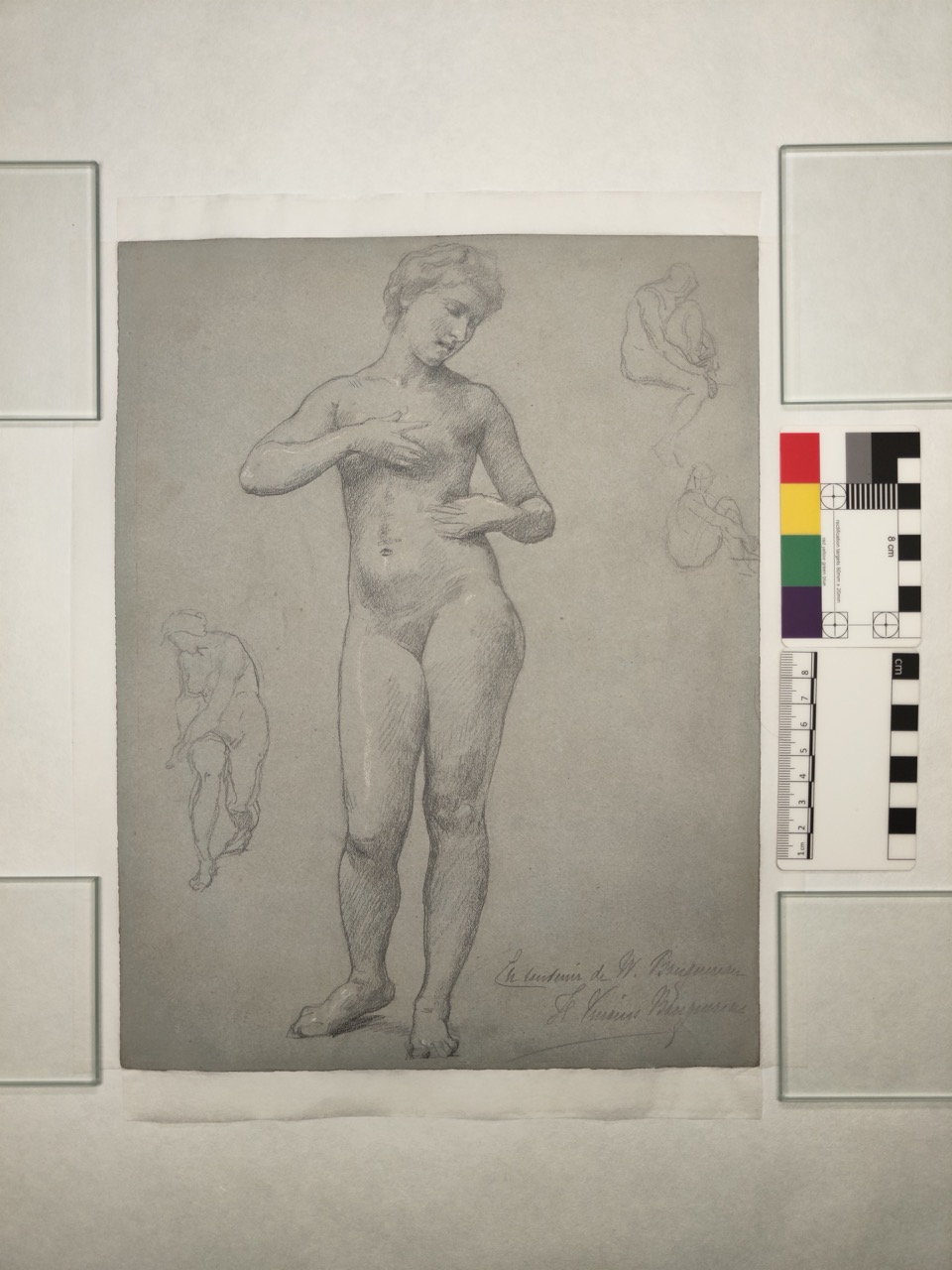
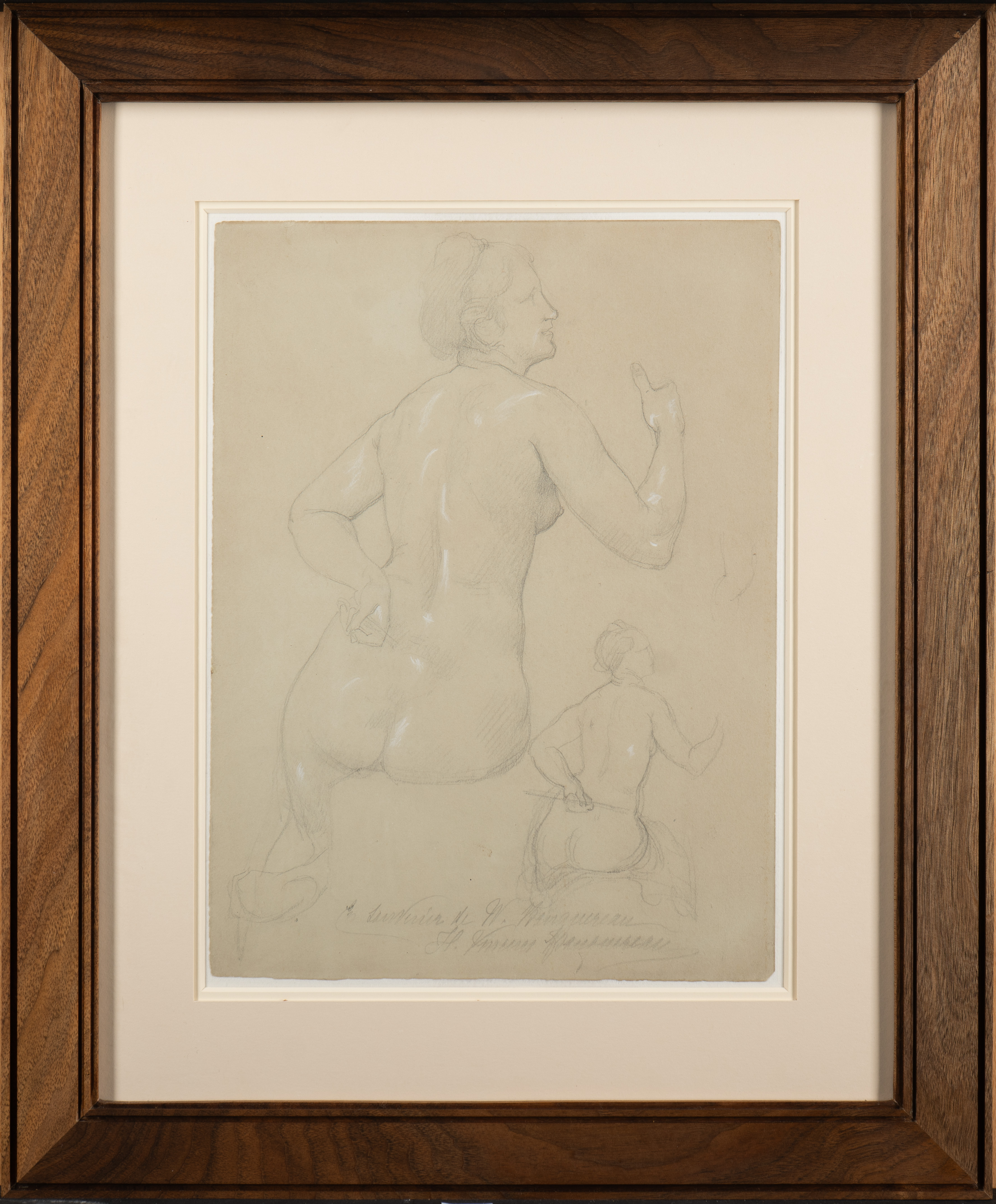
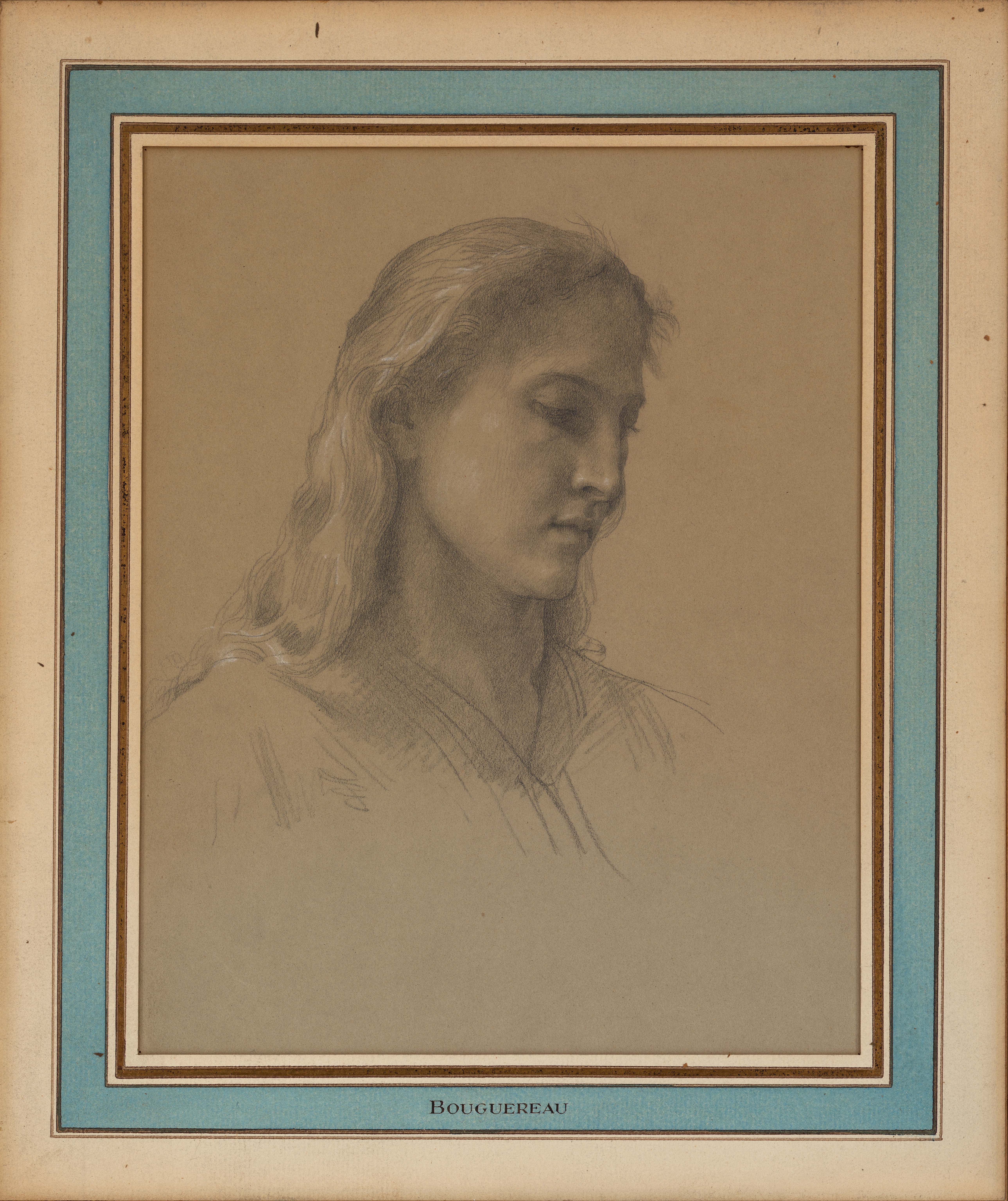
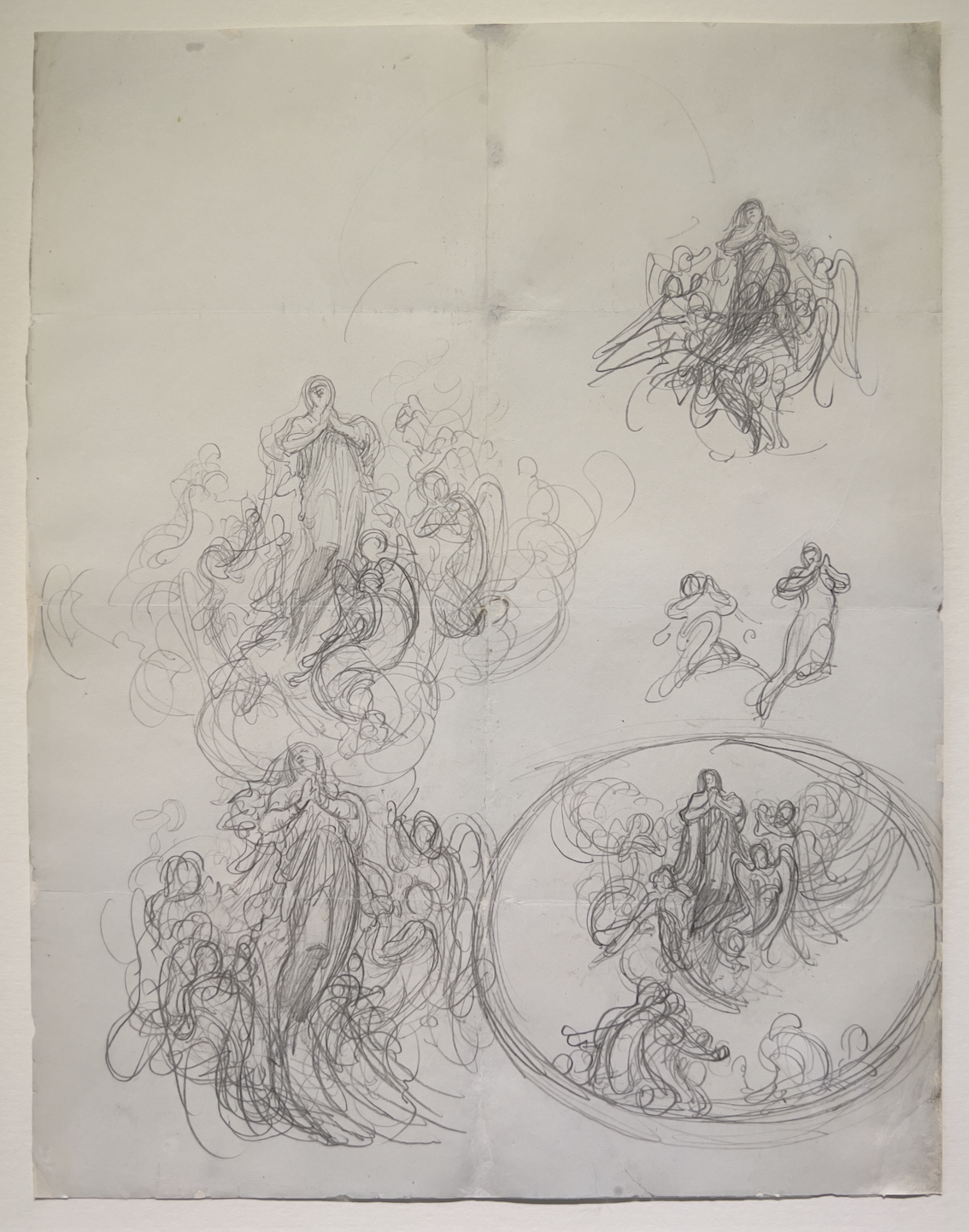
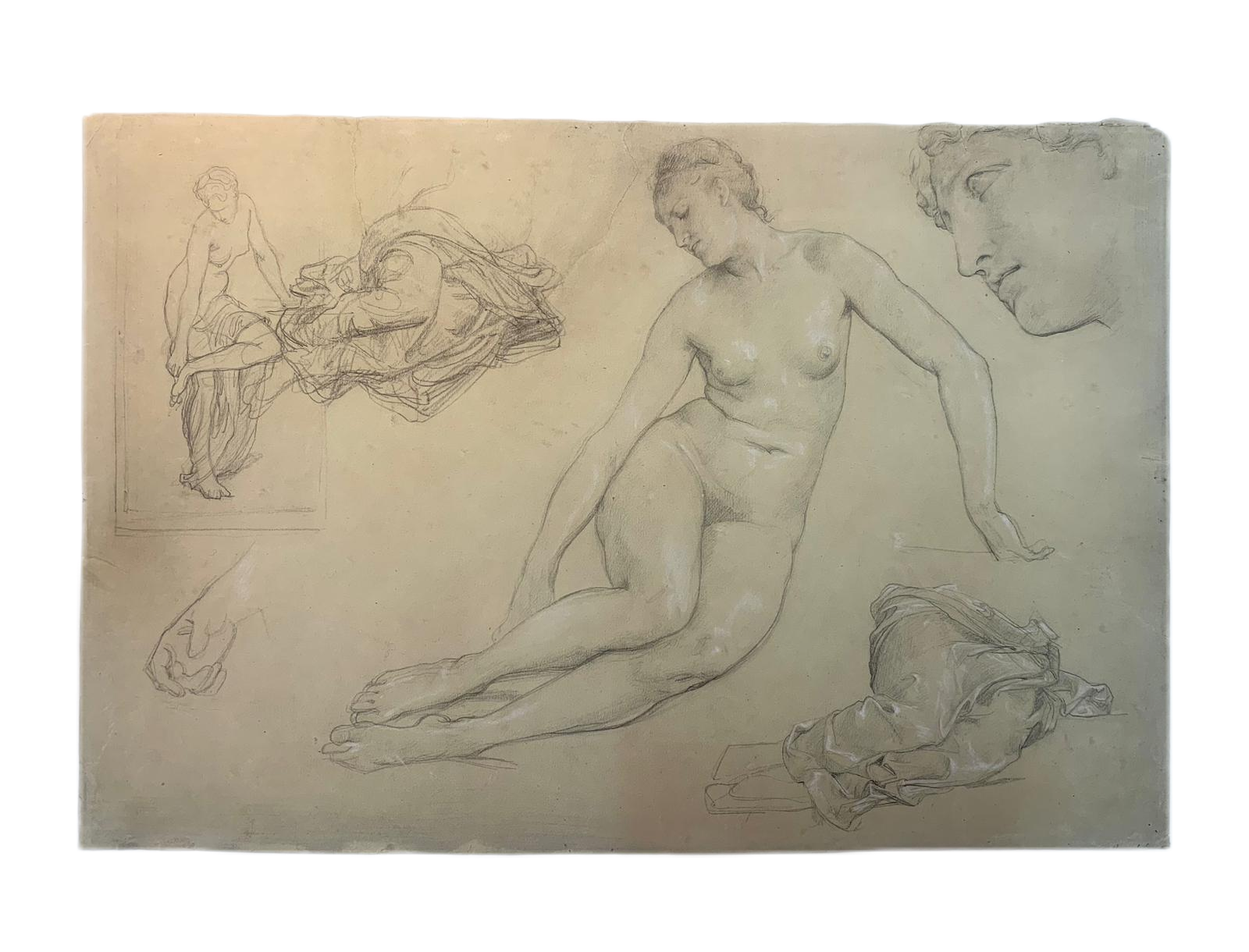
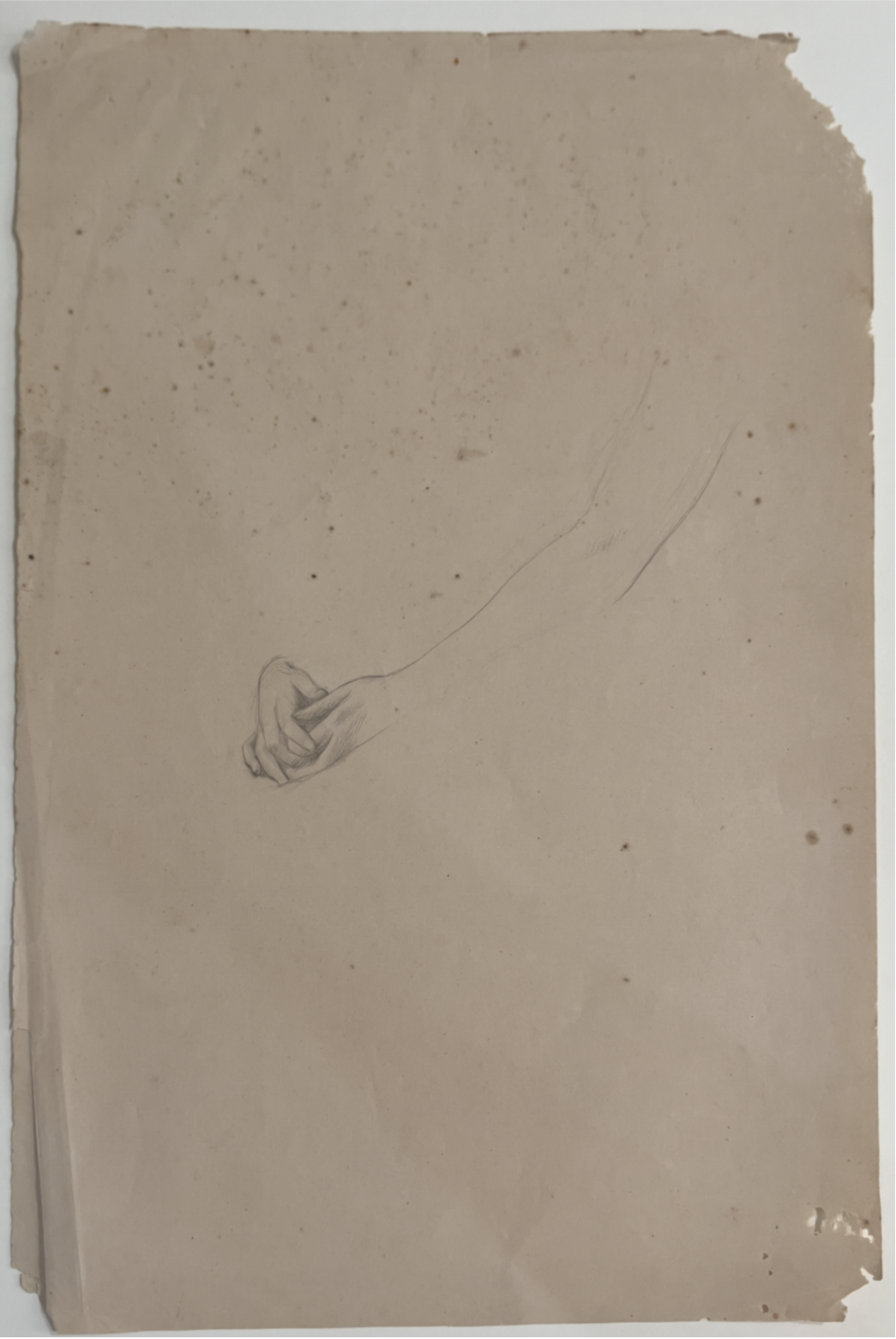
William-Adolphe BOUGUEREAU
La Rochelle, France 1825 - La Rochelle, France 19051825 - 1905
William Bouguereau was one of the leading figures of nineteenth-century French Academic painting. He is known for his refined technique, idealized figures, mythological and religious subjects, and highly polished treatment of the human body, especially in depictions of women and children.
.JPG)
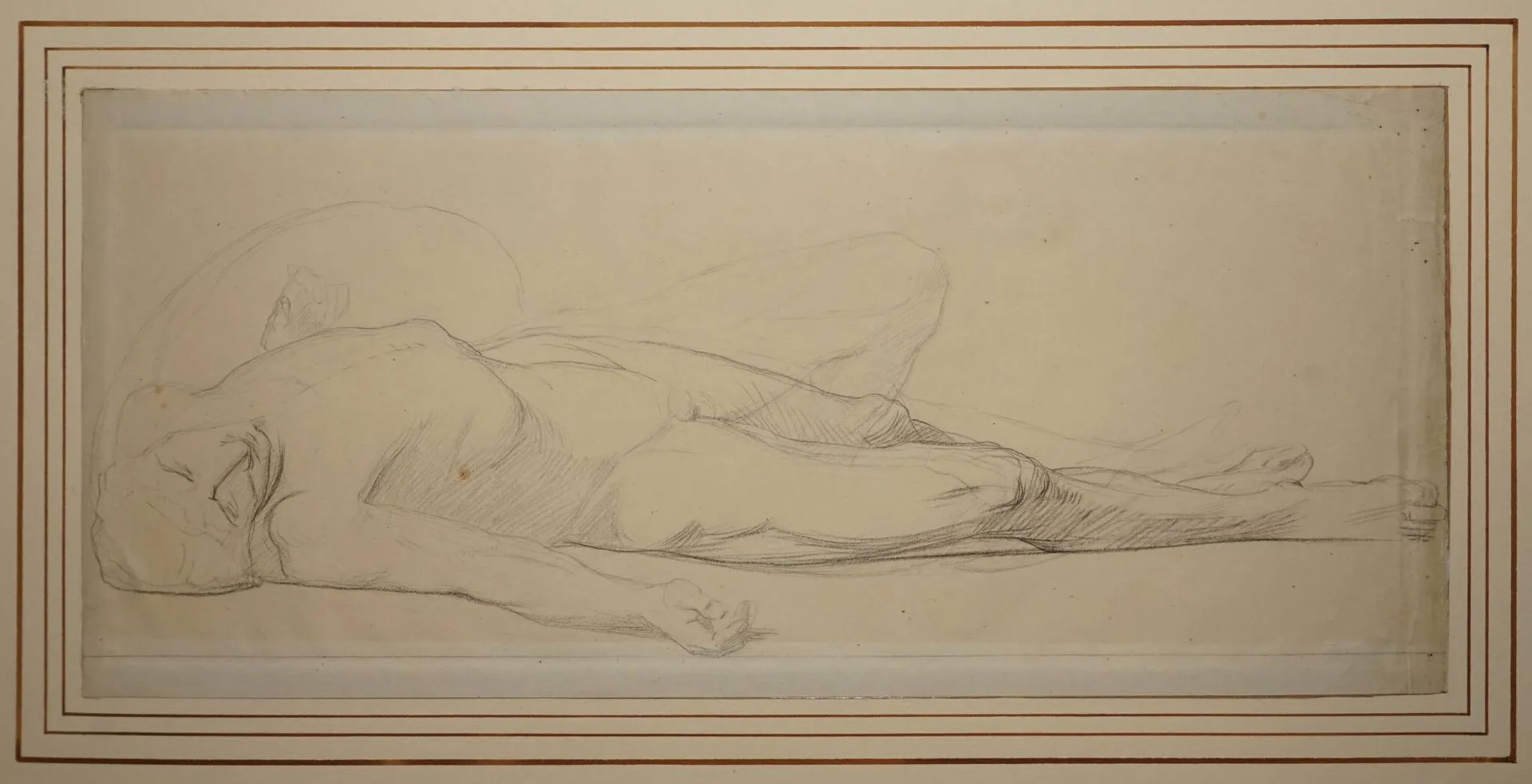
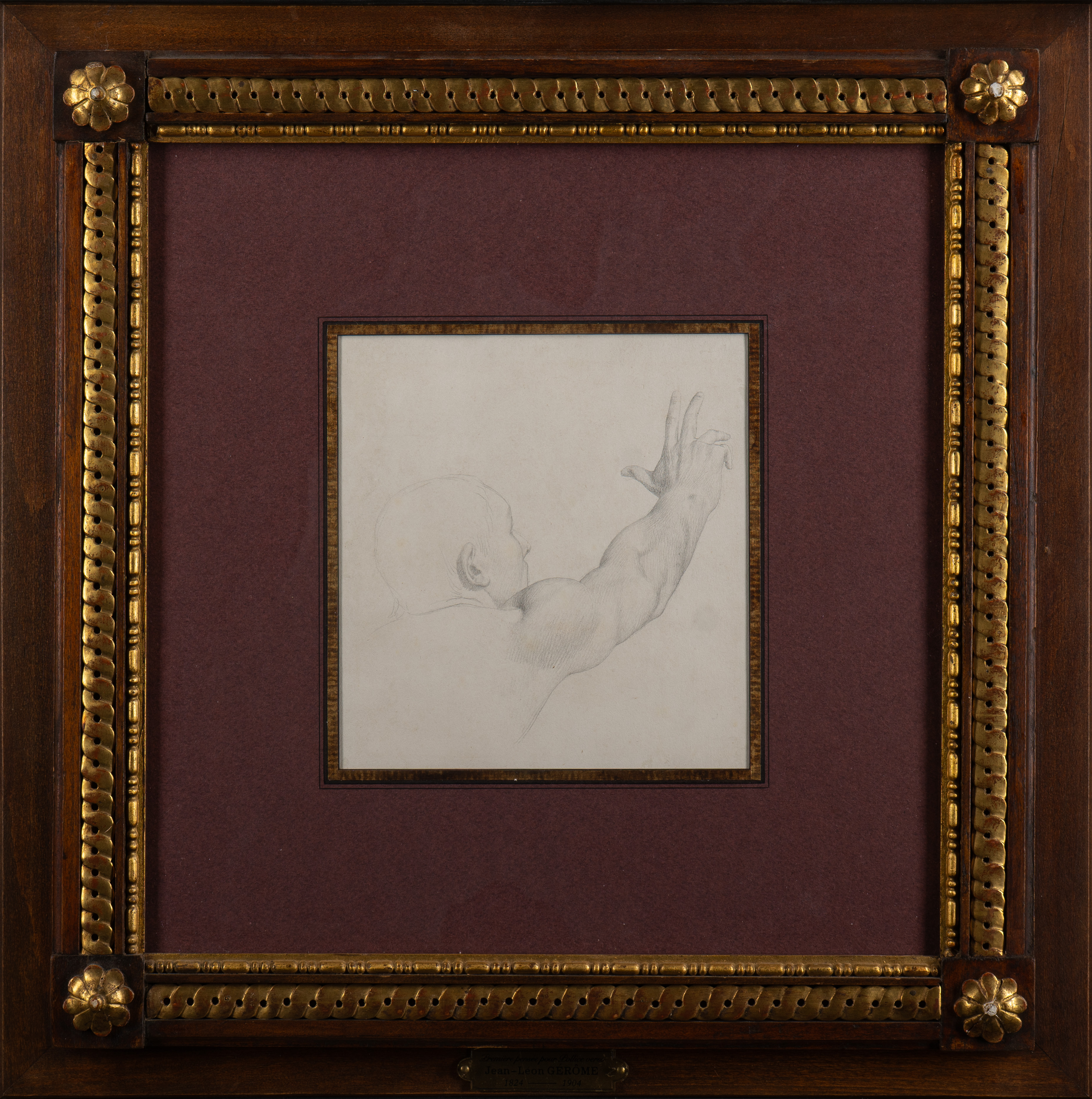
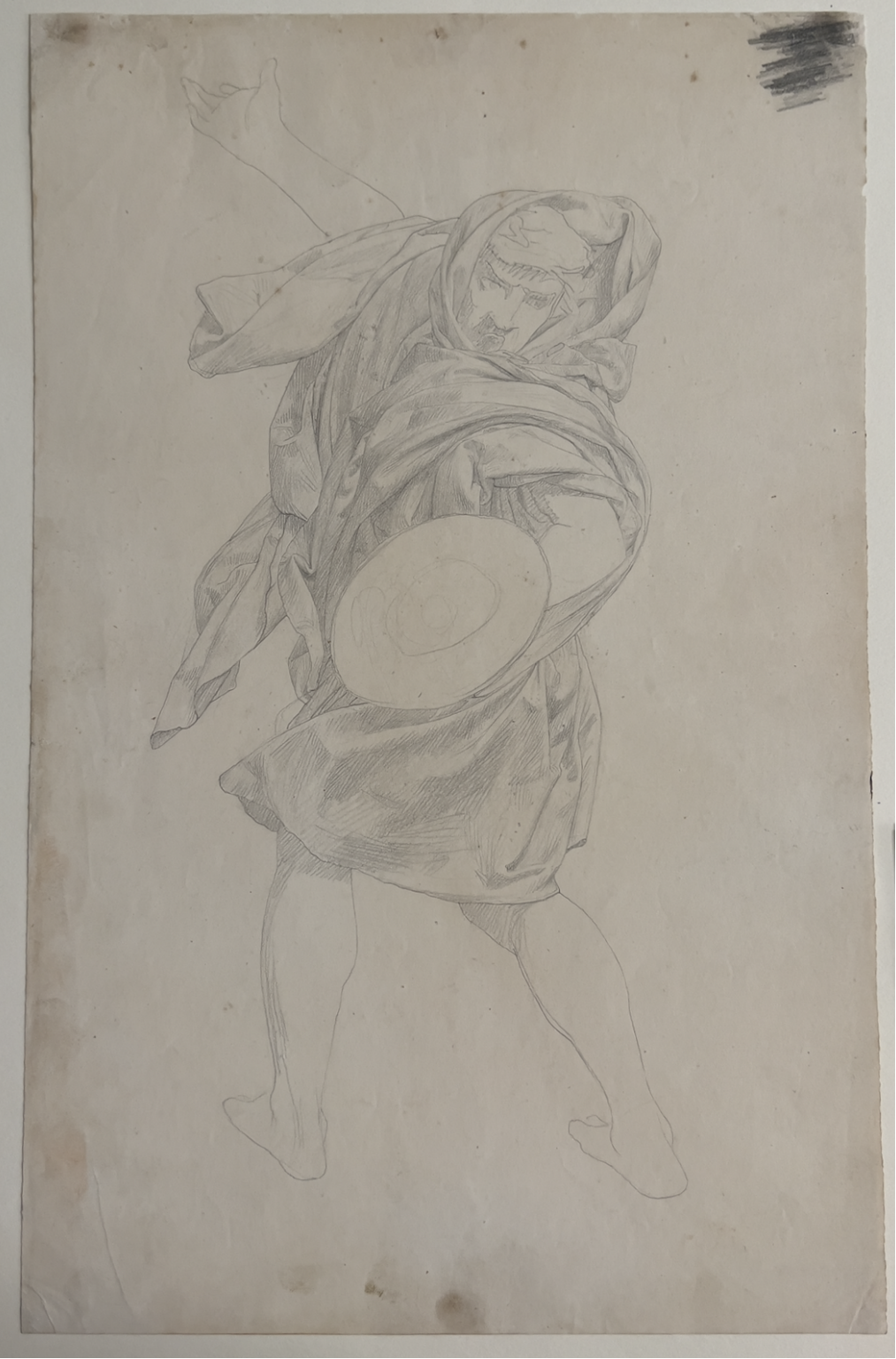
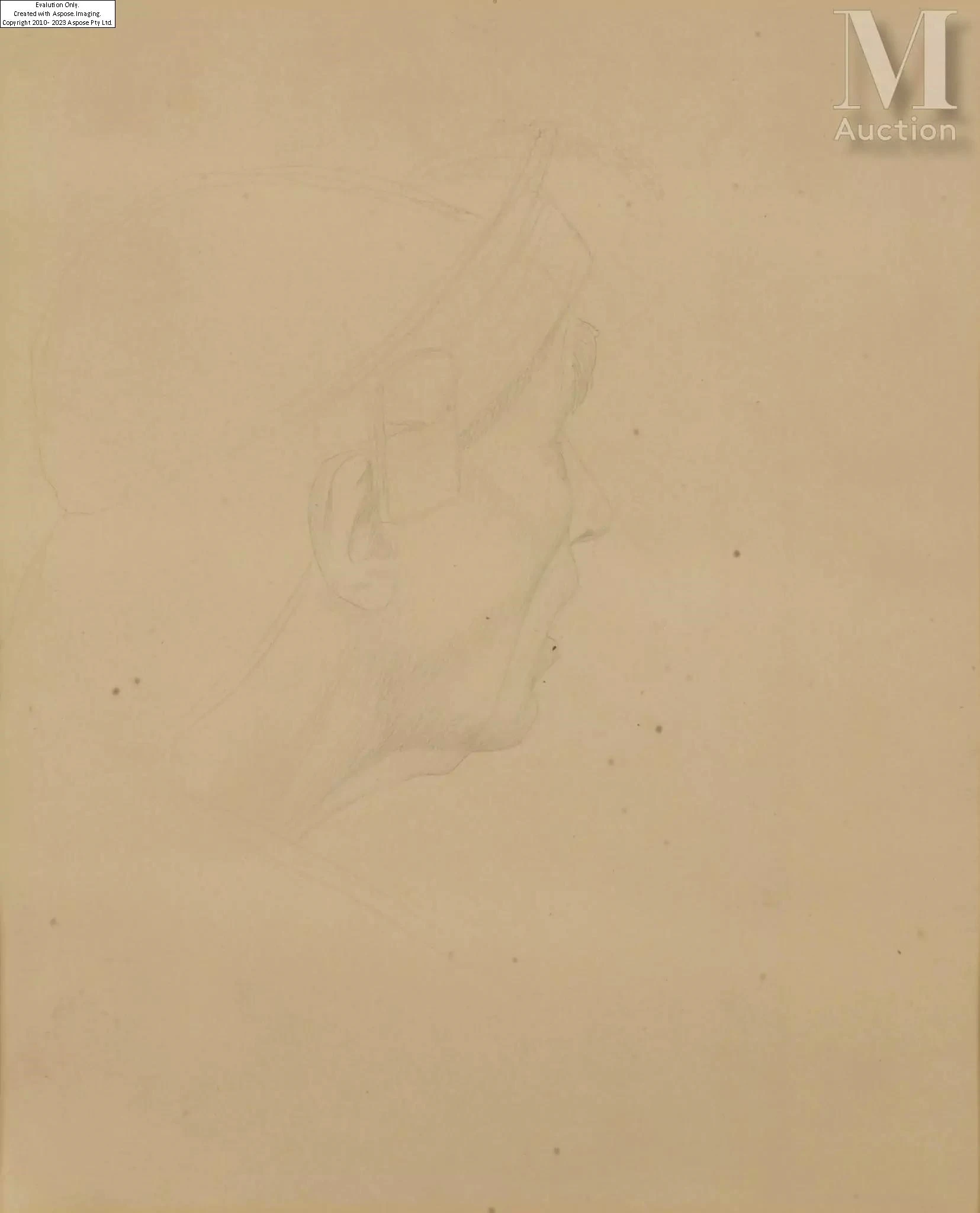
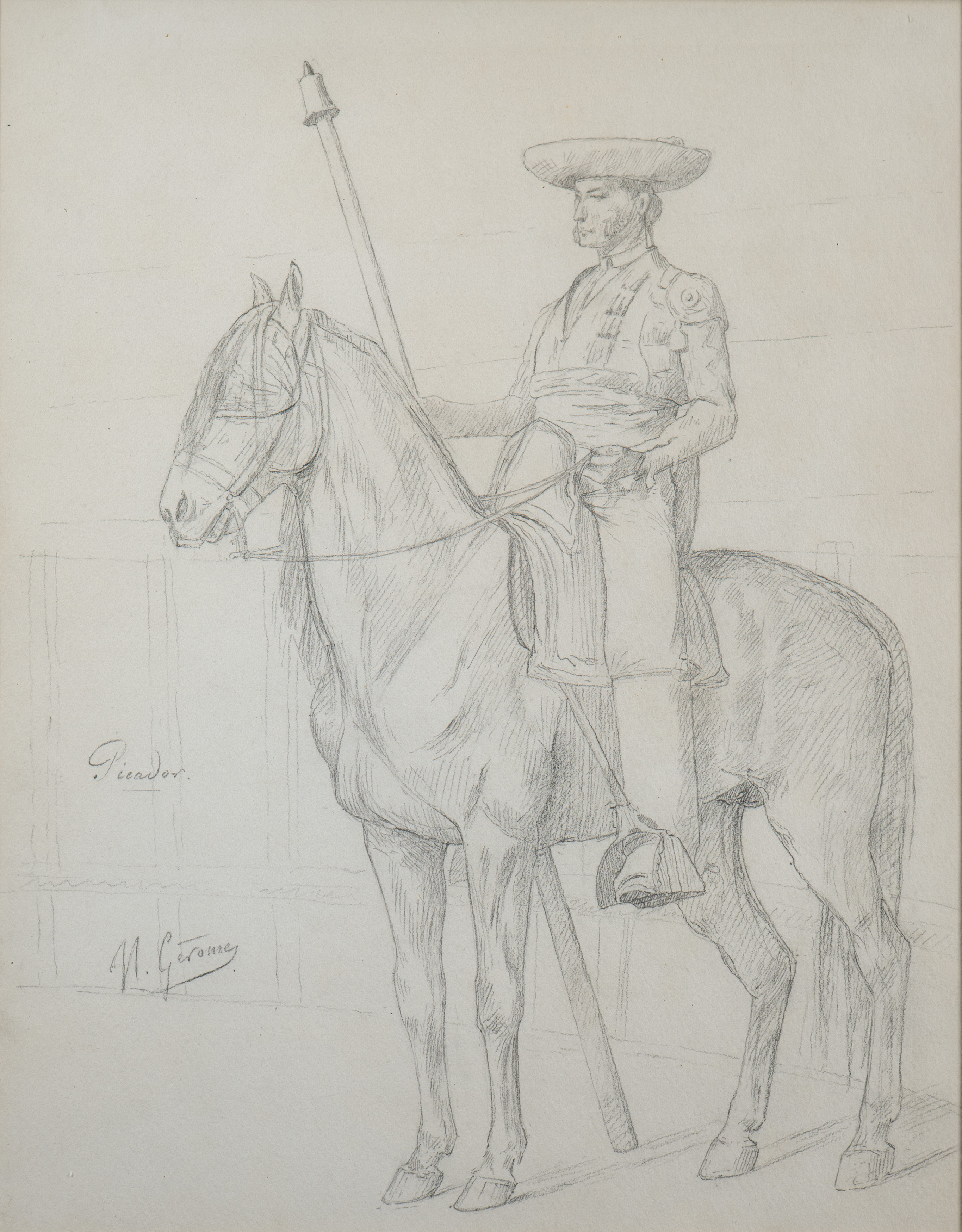
Jean-Léon GÉRÔME
Vesoul, Haute-Saône, France 1824 - 1904 Paris, France
Jean-Léon Gérôme was a major French Academic painter and sculptor, widely known for historical scenes, classical subjects, Orientalist imagery, and meticulous realism. He was also an influential teacher at the École des Beaux-Arts in Paris.
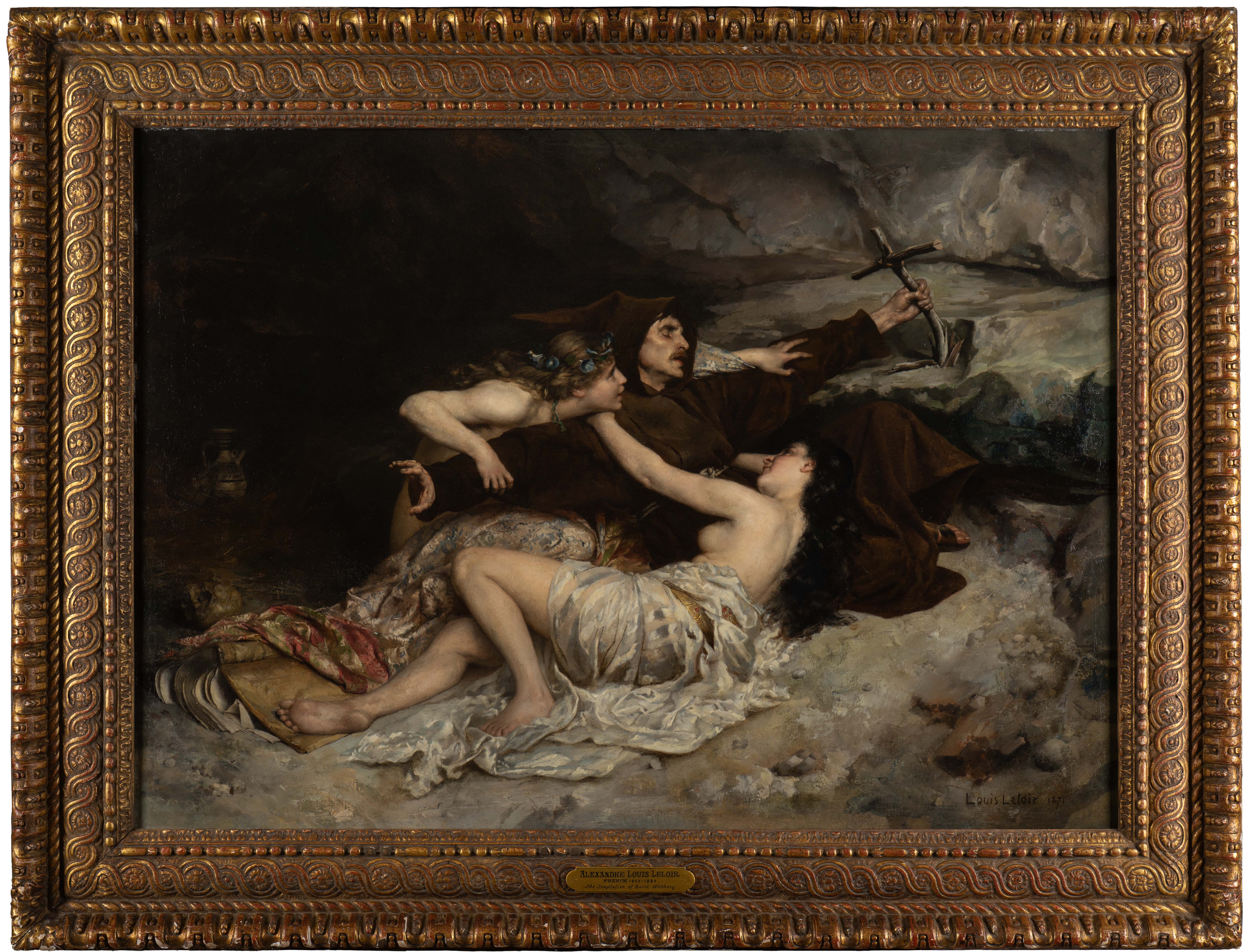
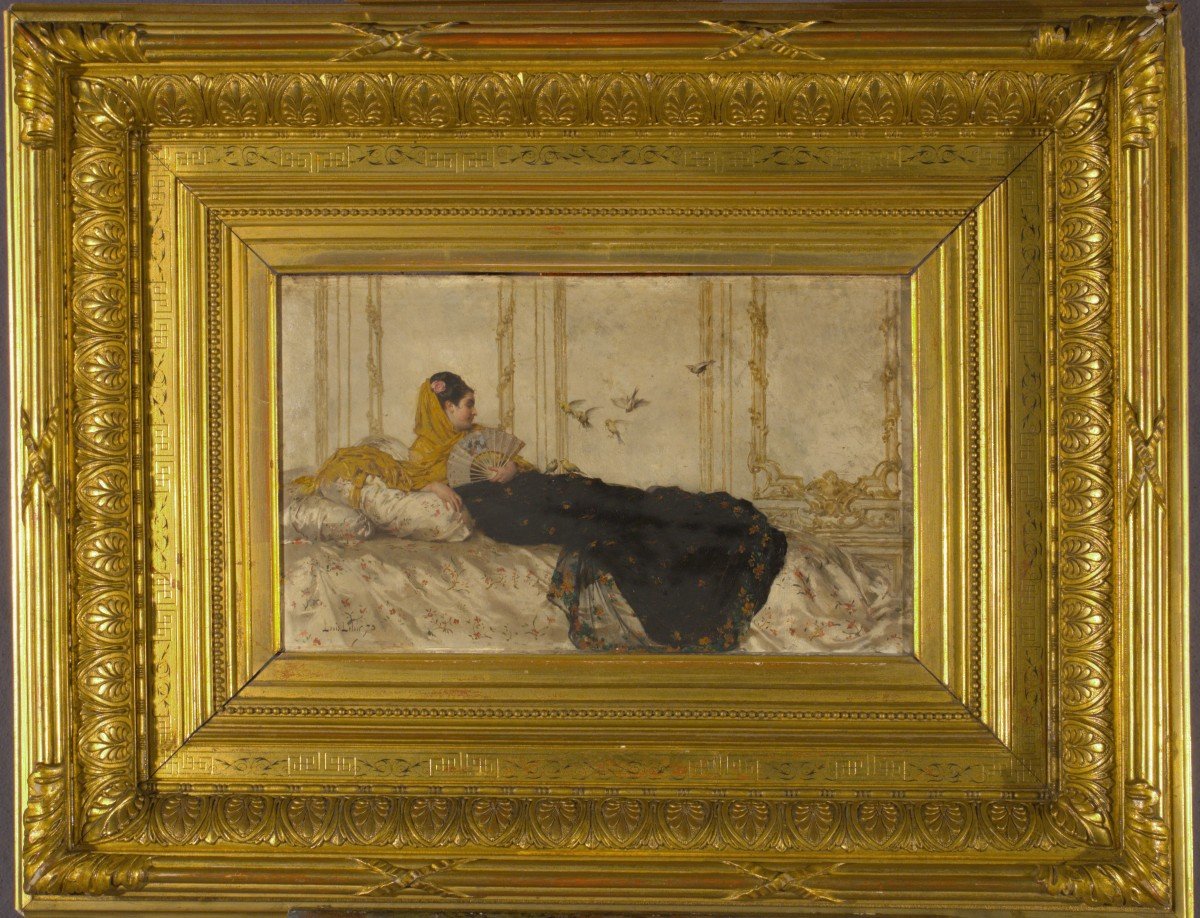
Alexandre-Louis LELOIR
Paris, France 14 March 1843 - Paris, France 28 January 1884
Alexandre-Louis Leloir was a French painter and illustrator known for historical subjects, Orientalist scenes, and narrative compositions. His works often feature elaborate costumes, exotic settings, and theatrical figures, reflecting nineteenth-century French interest in history and the Orient.
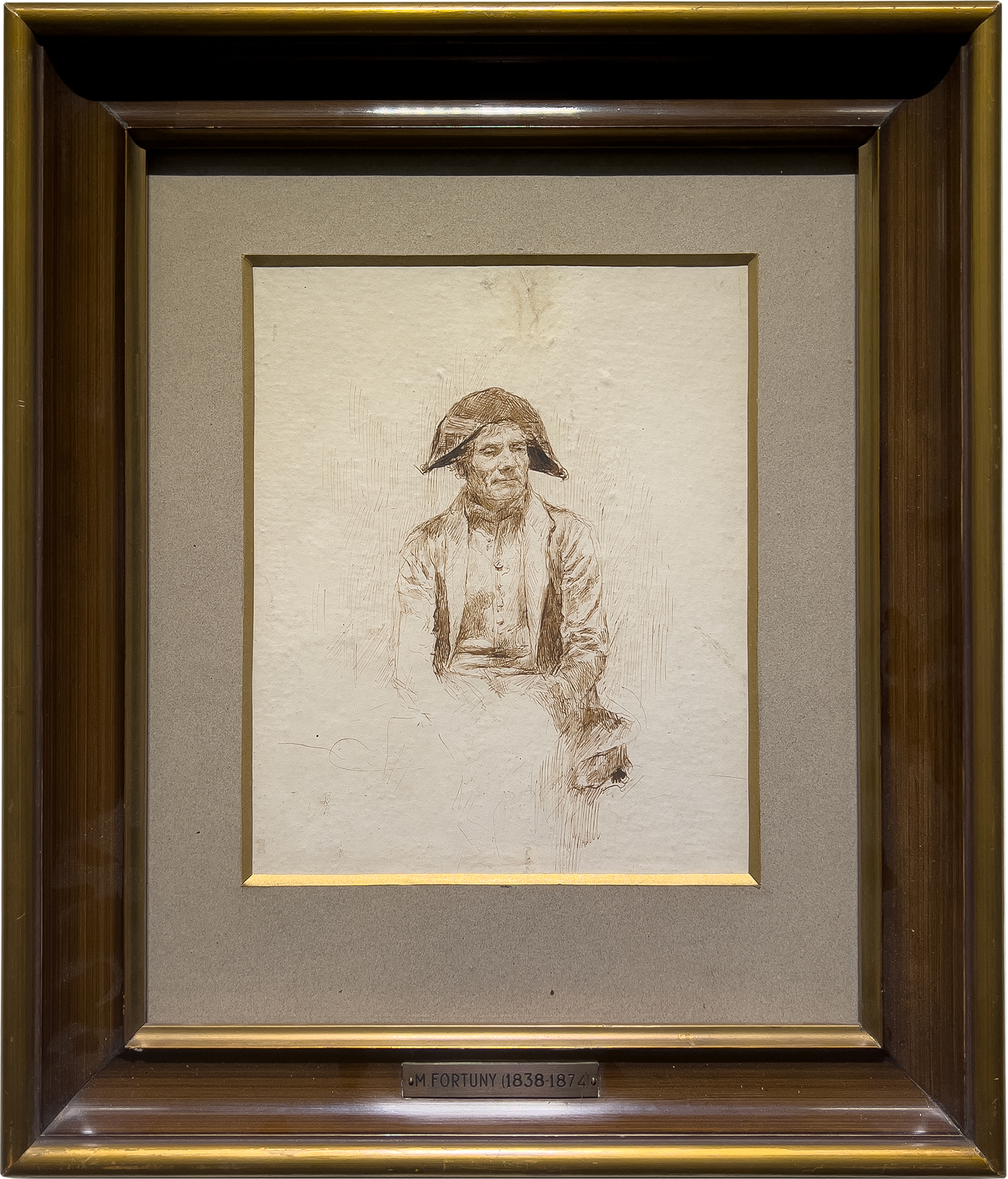
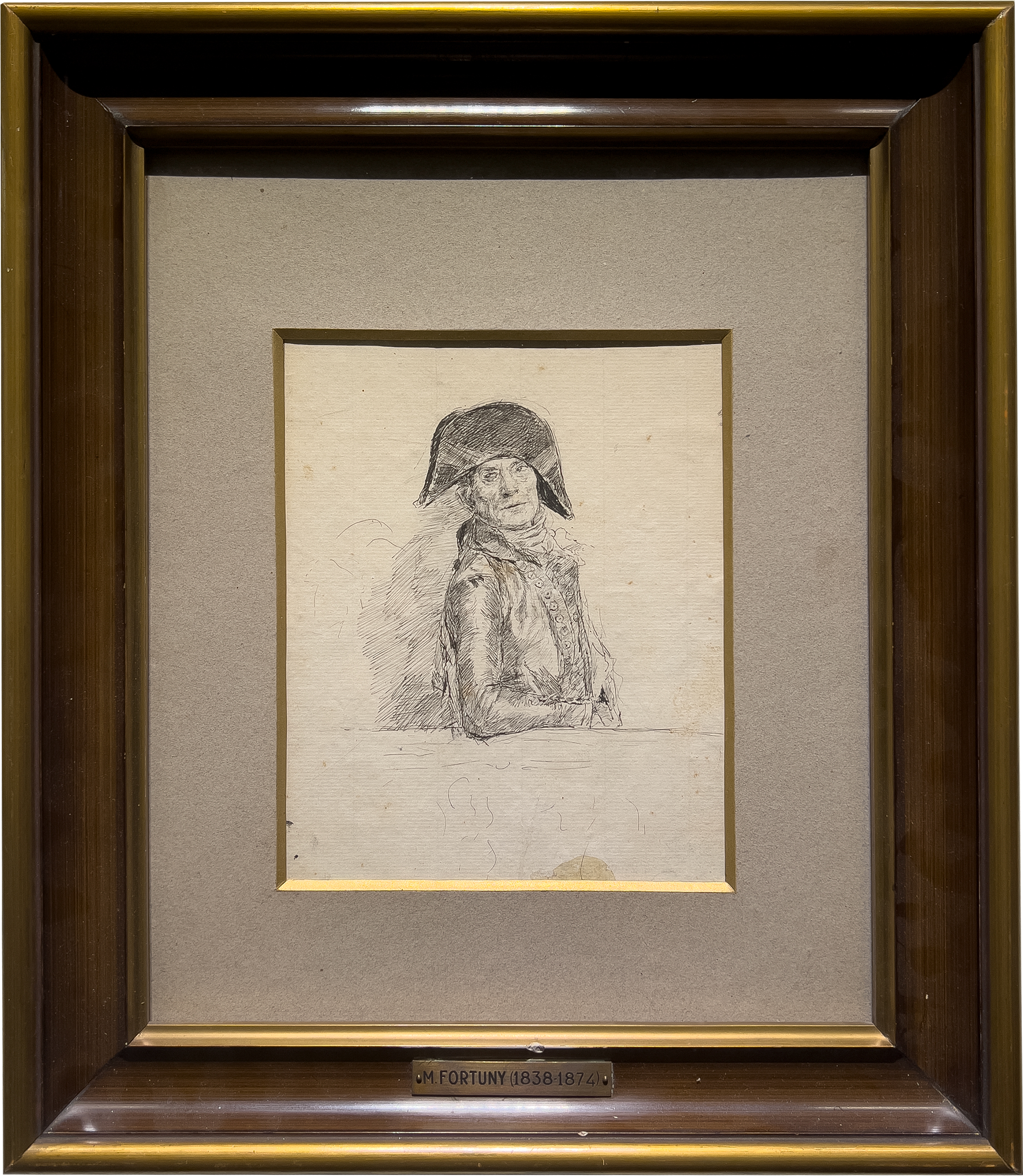
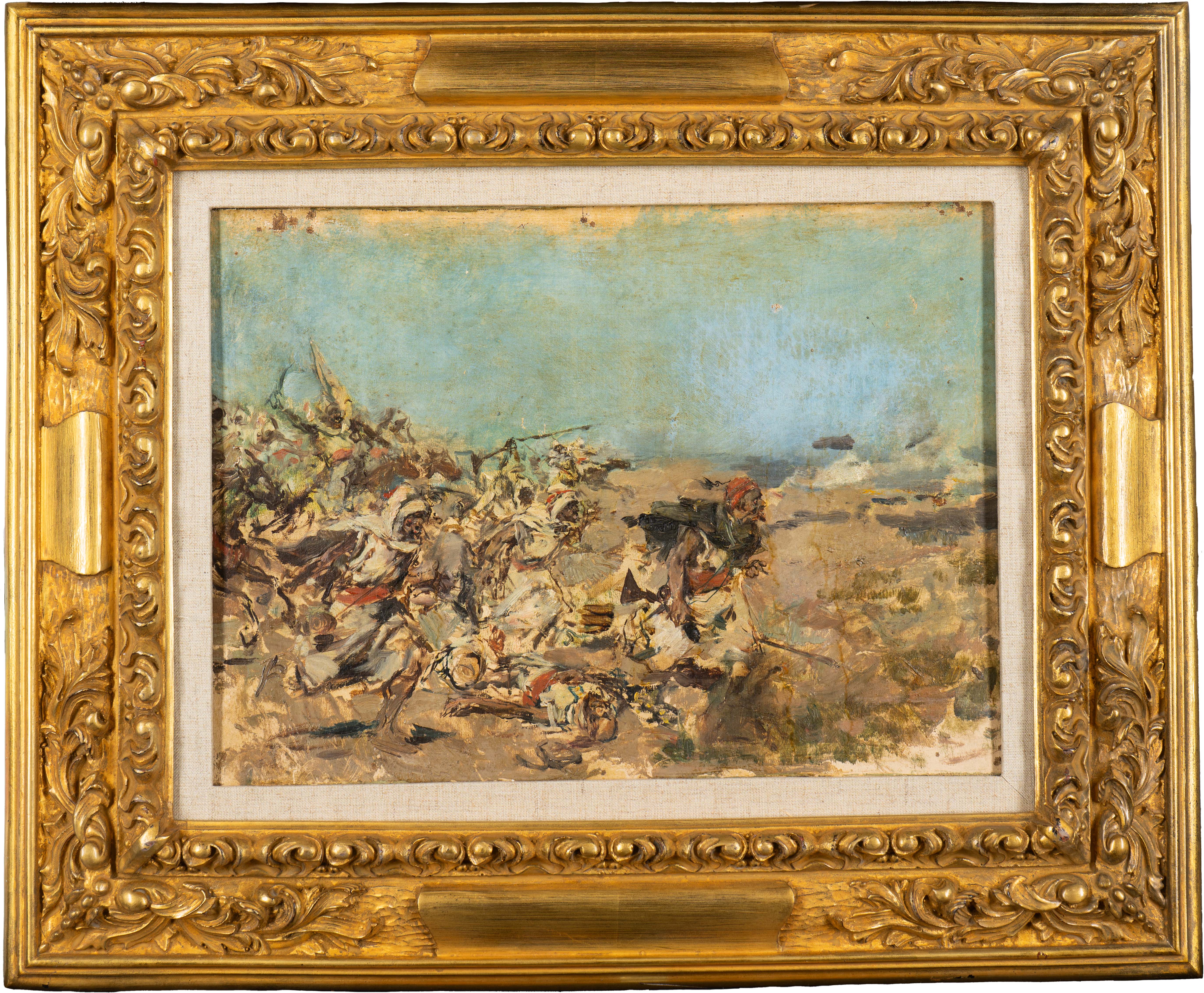
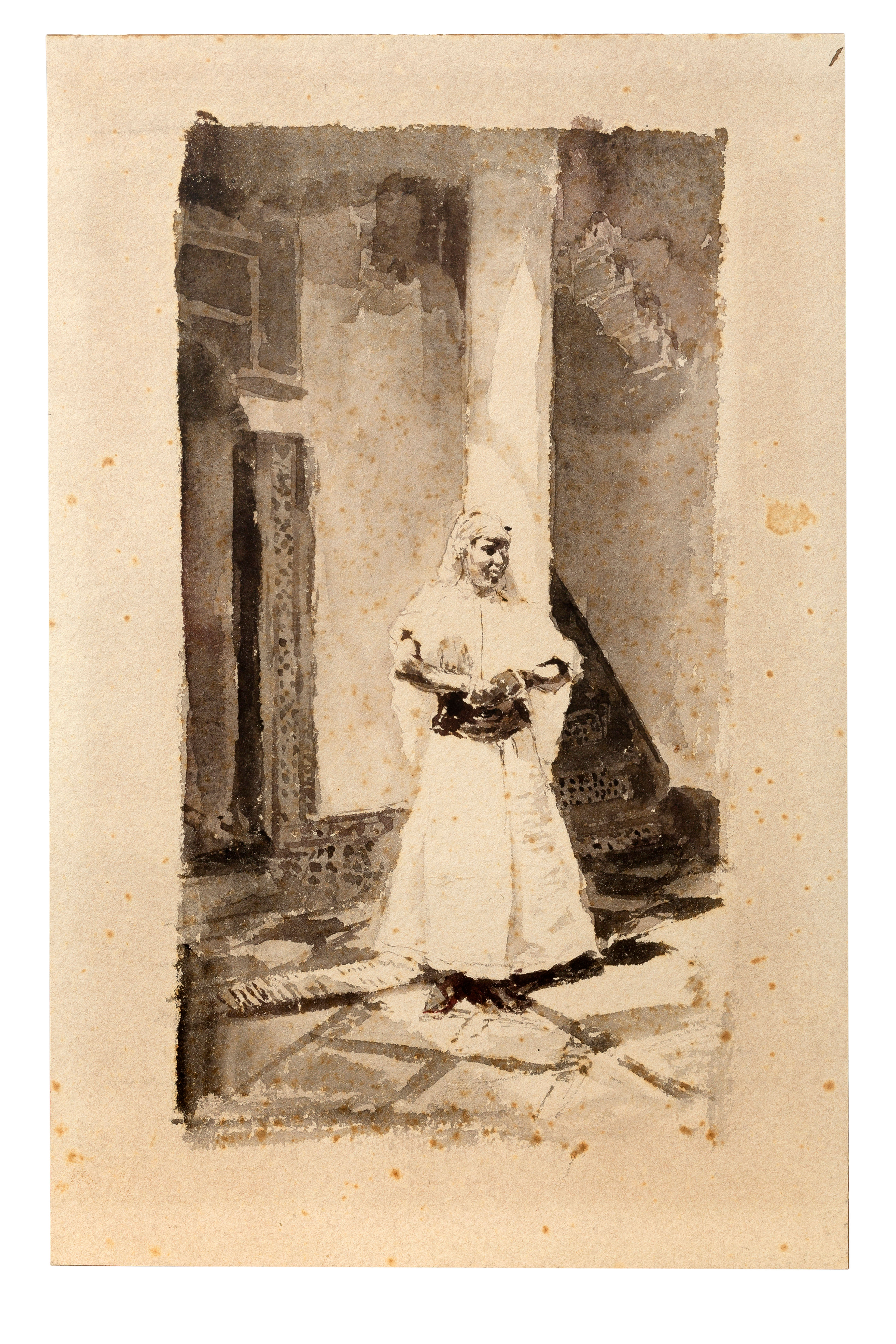
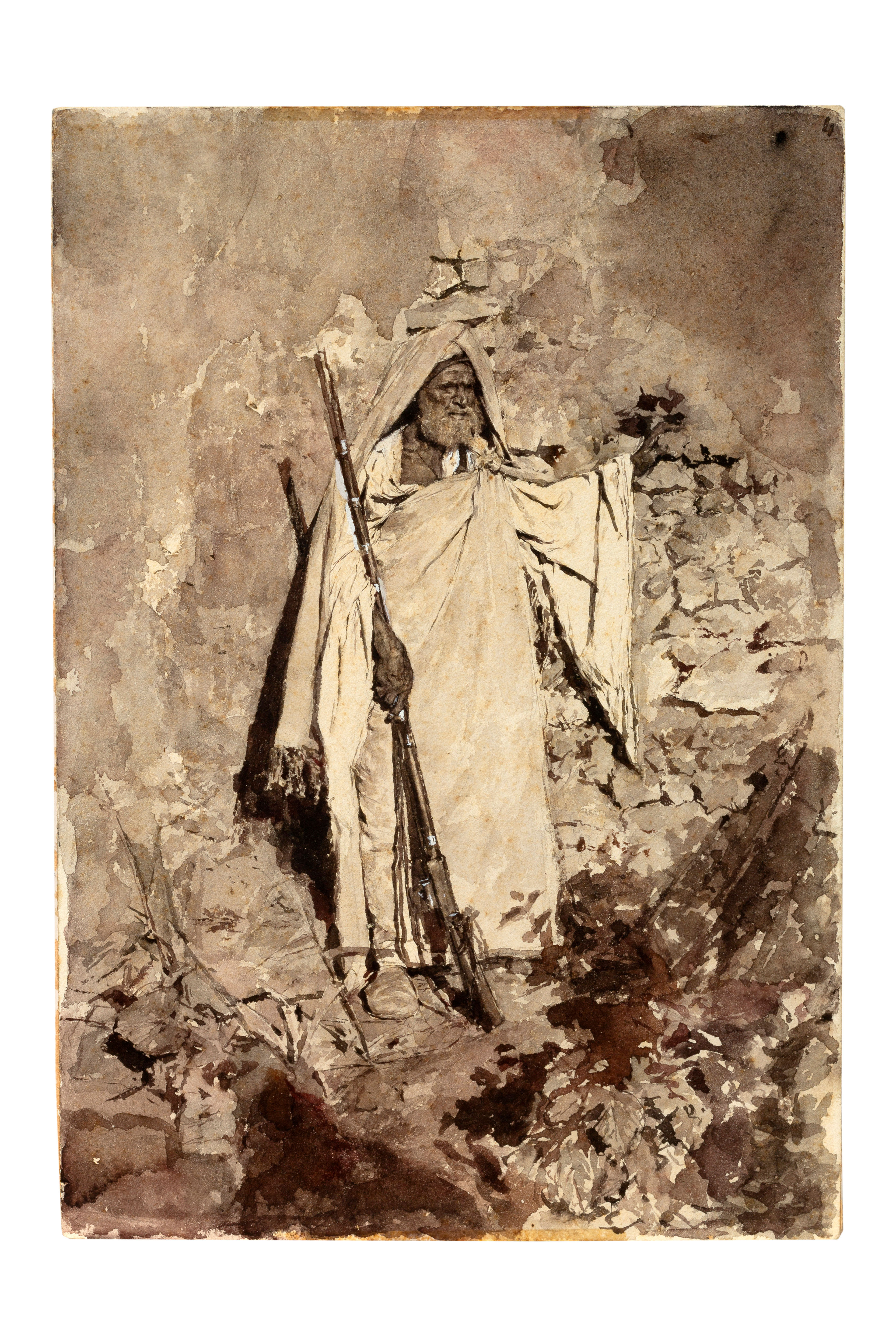
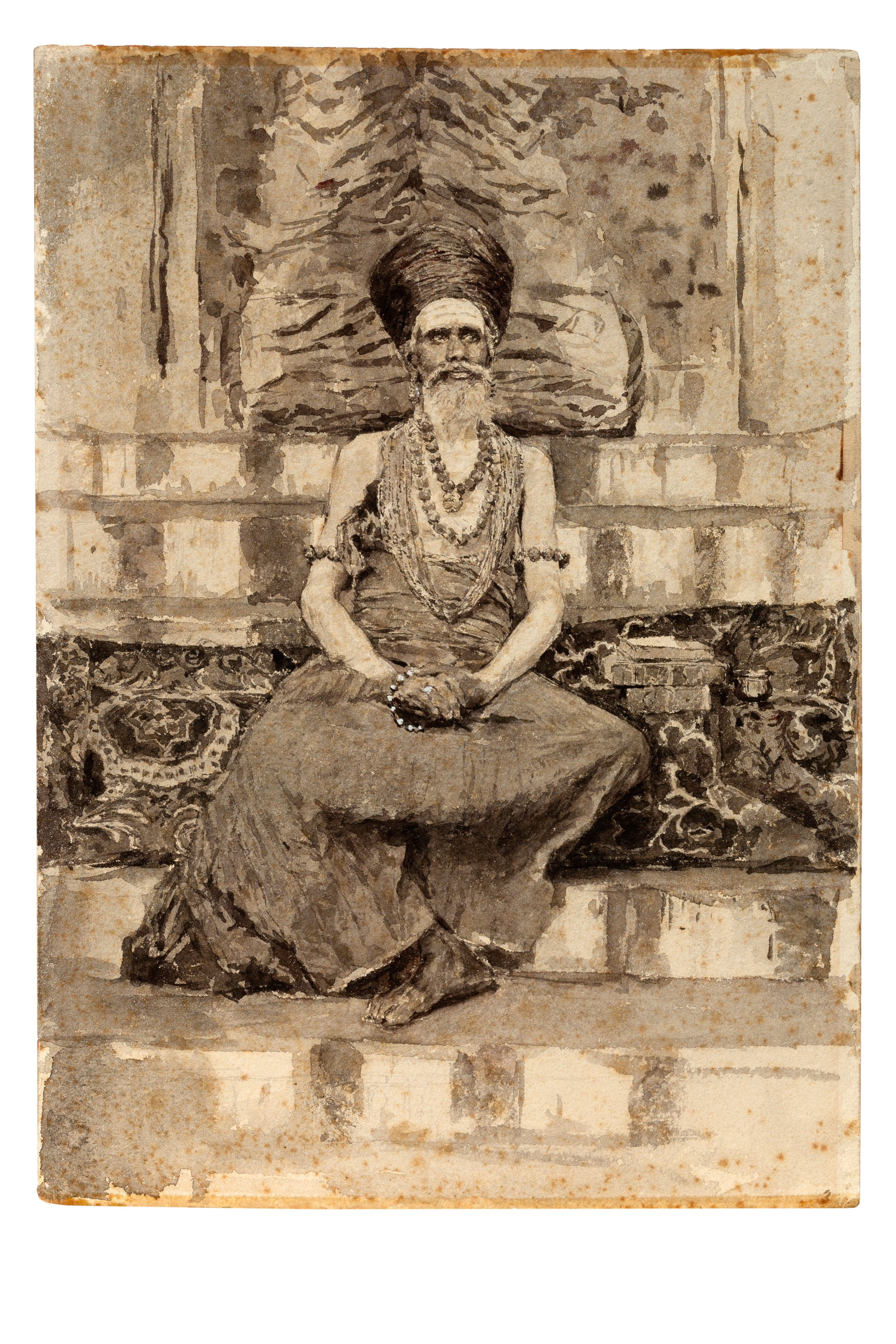
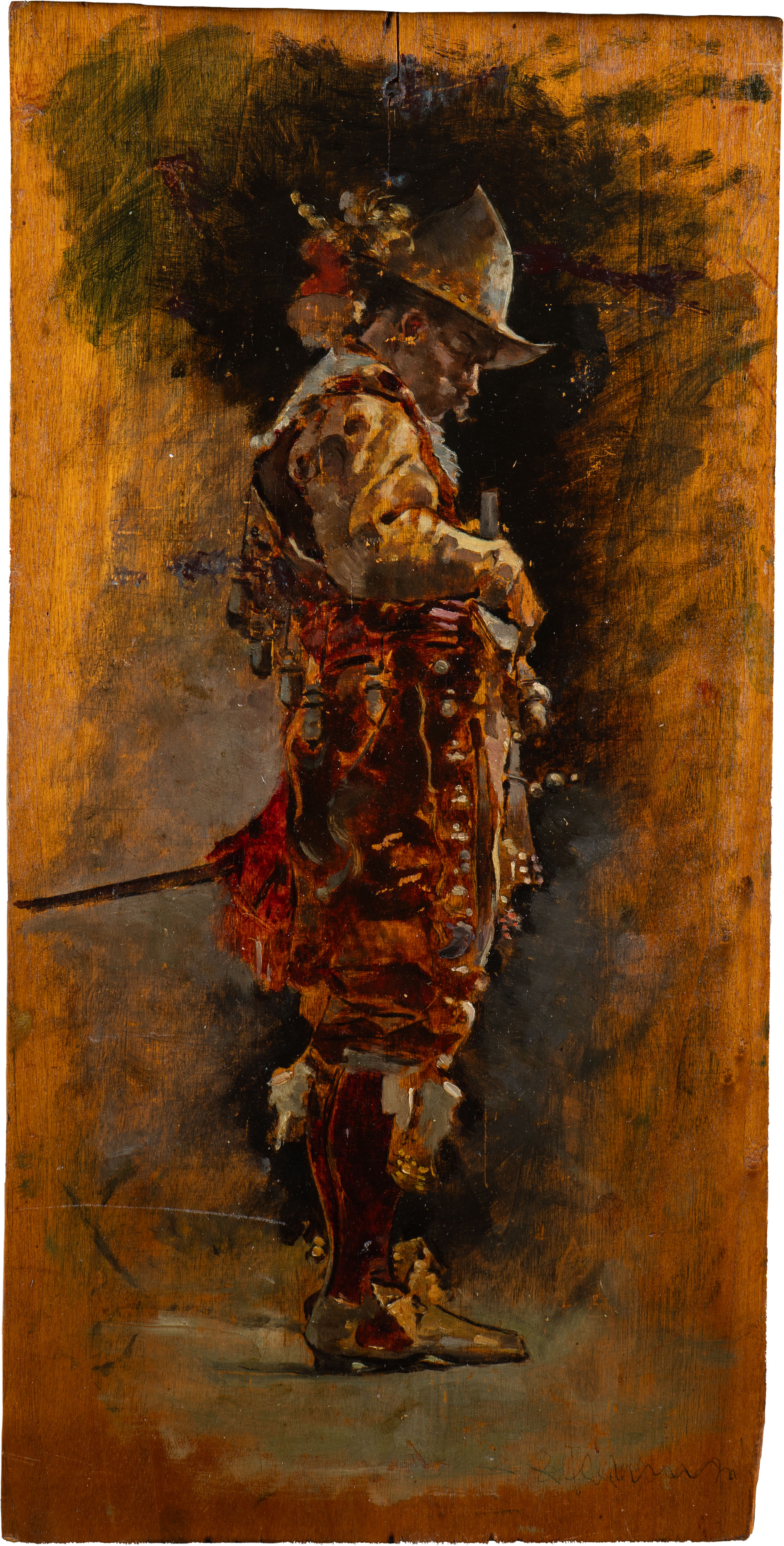
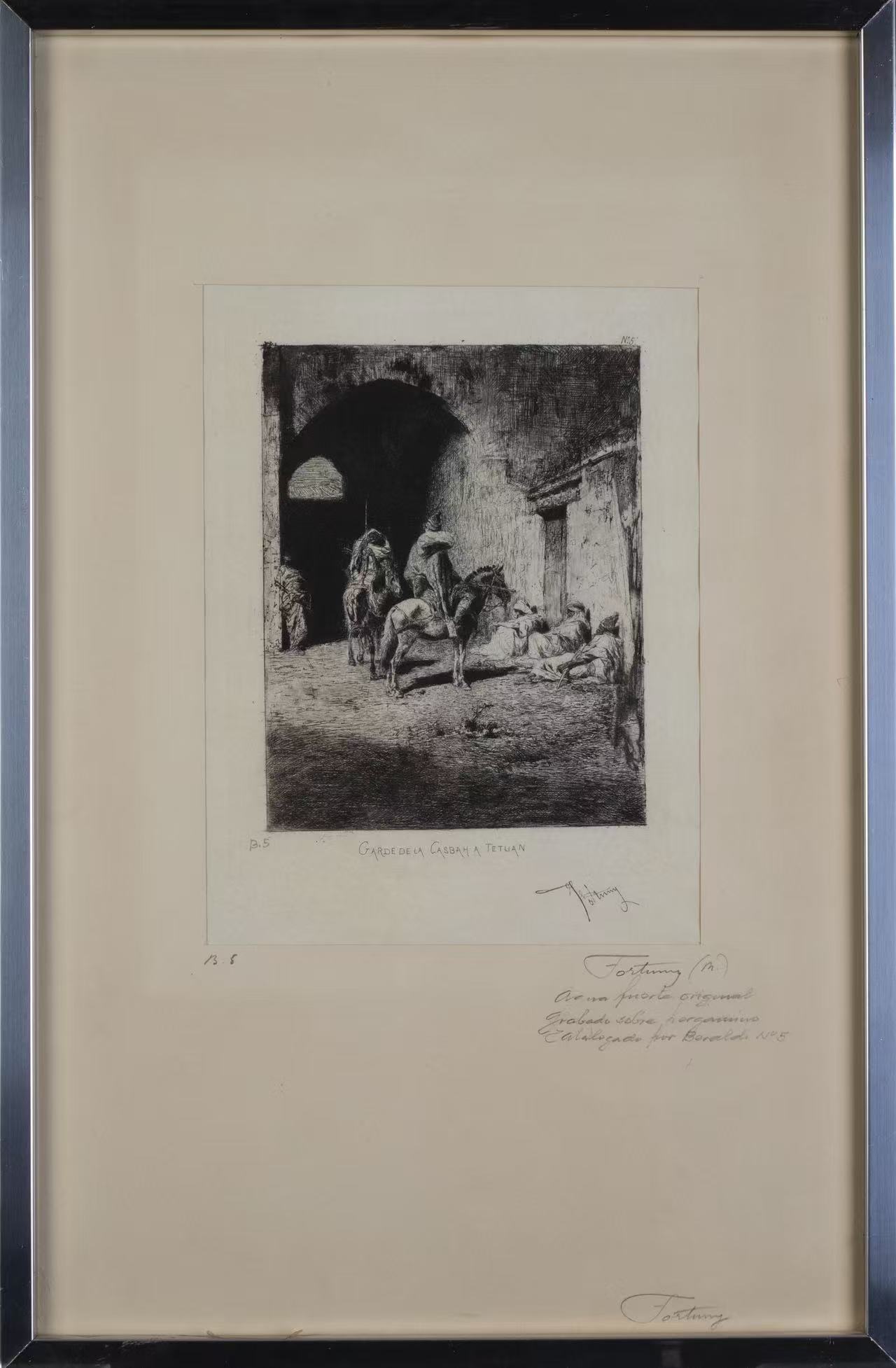
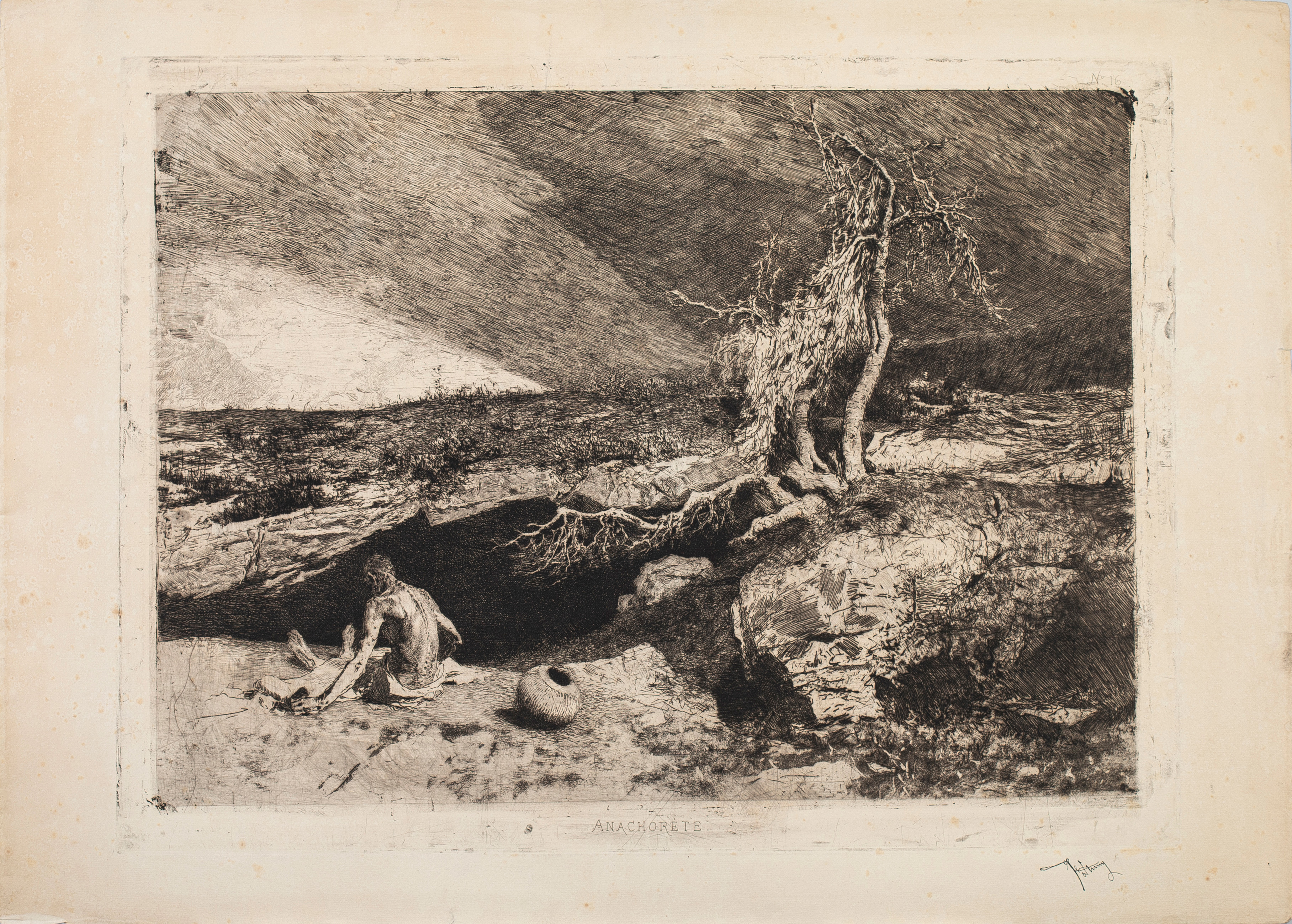
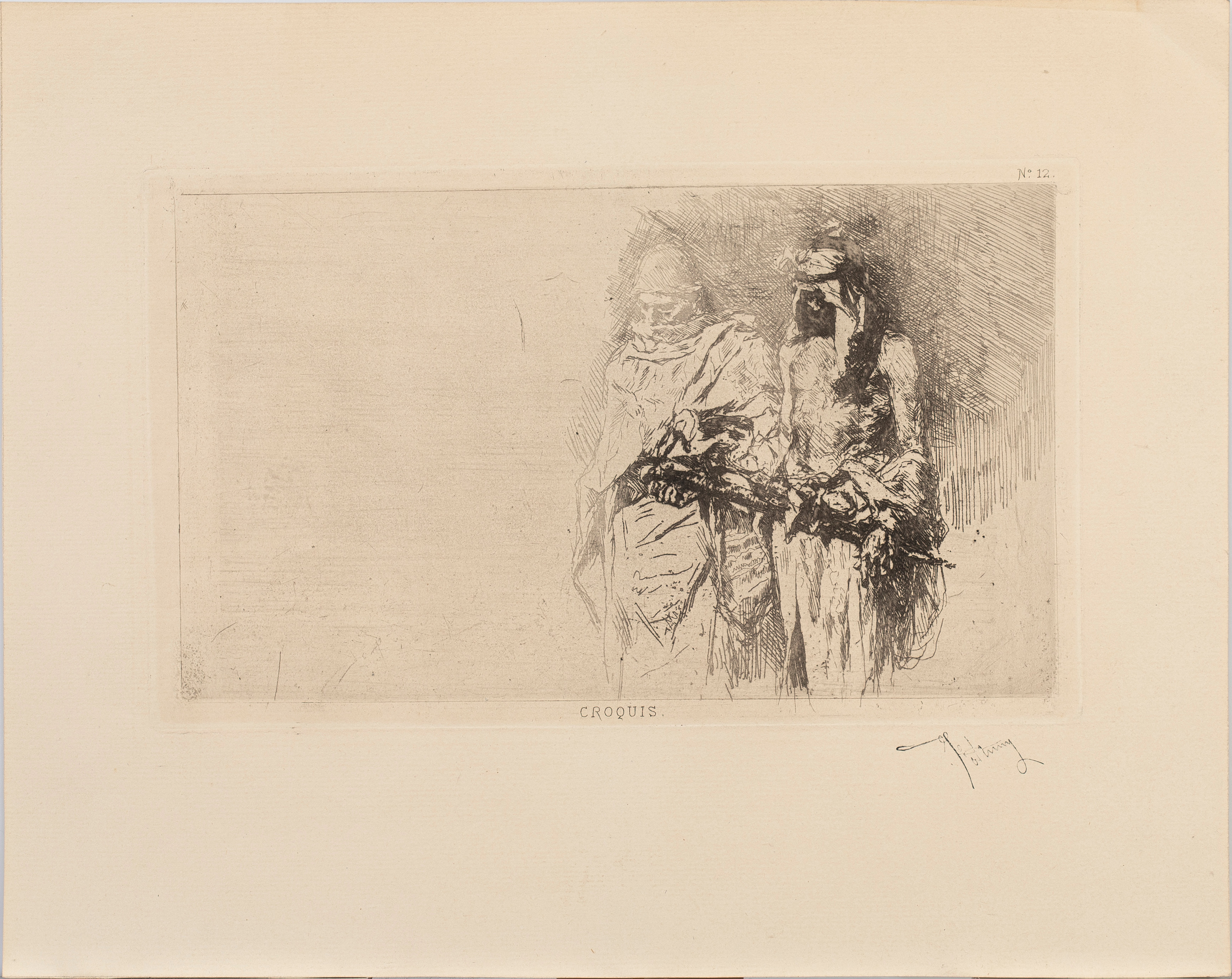
FORTUNY
Reus, Tarragona, 1838-Roma, 1874
Mariano Fortuny was a Spanish painter and printmaker celebrated for his brilliant technique, vivid color, Orientalist subjects, historical scenes, and finely detailed small-scale paintings. His work was highly admired in the European art market during the nineteenth century.
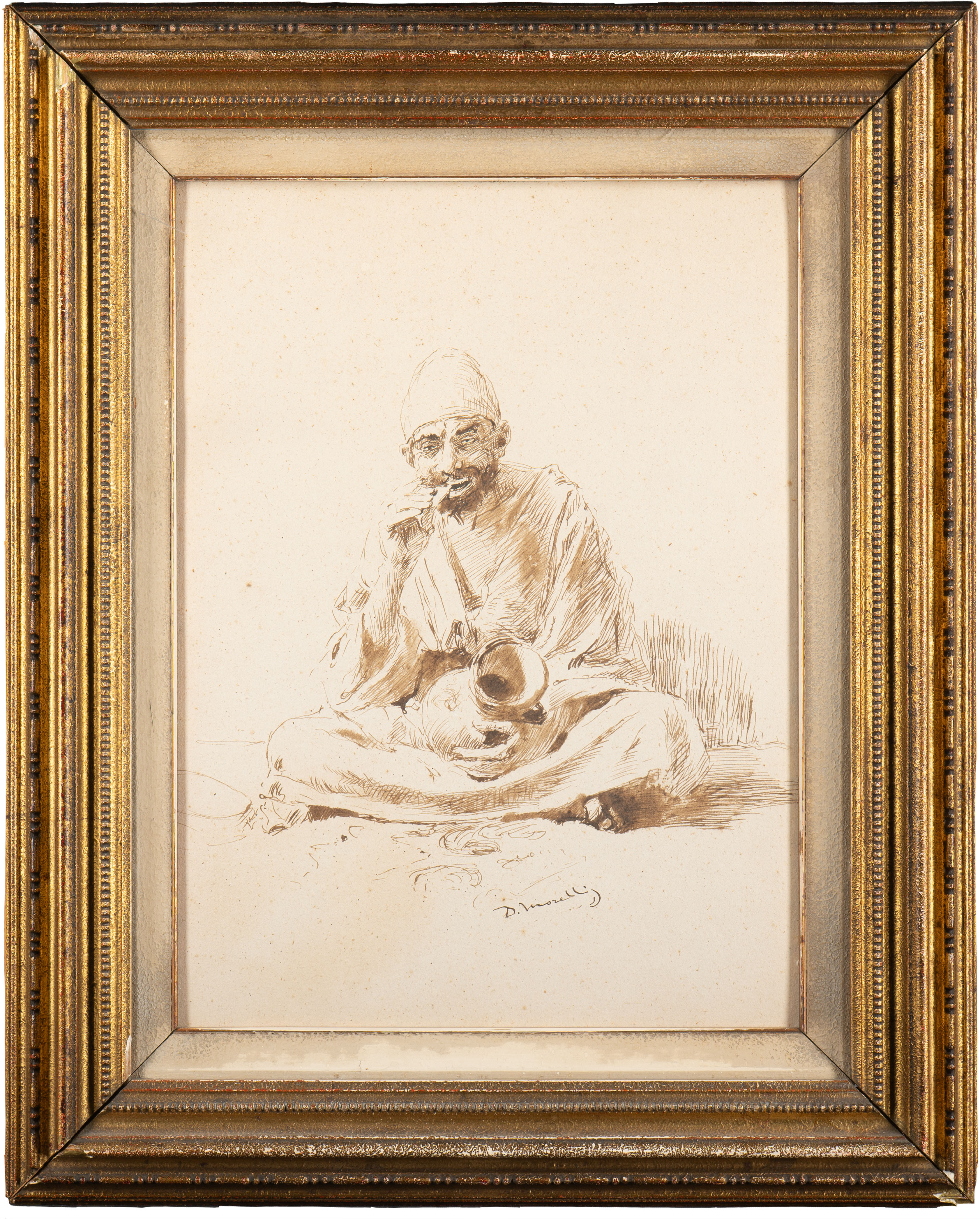
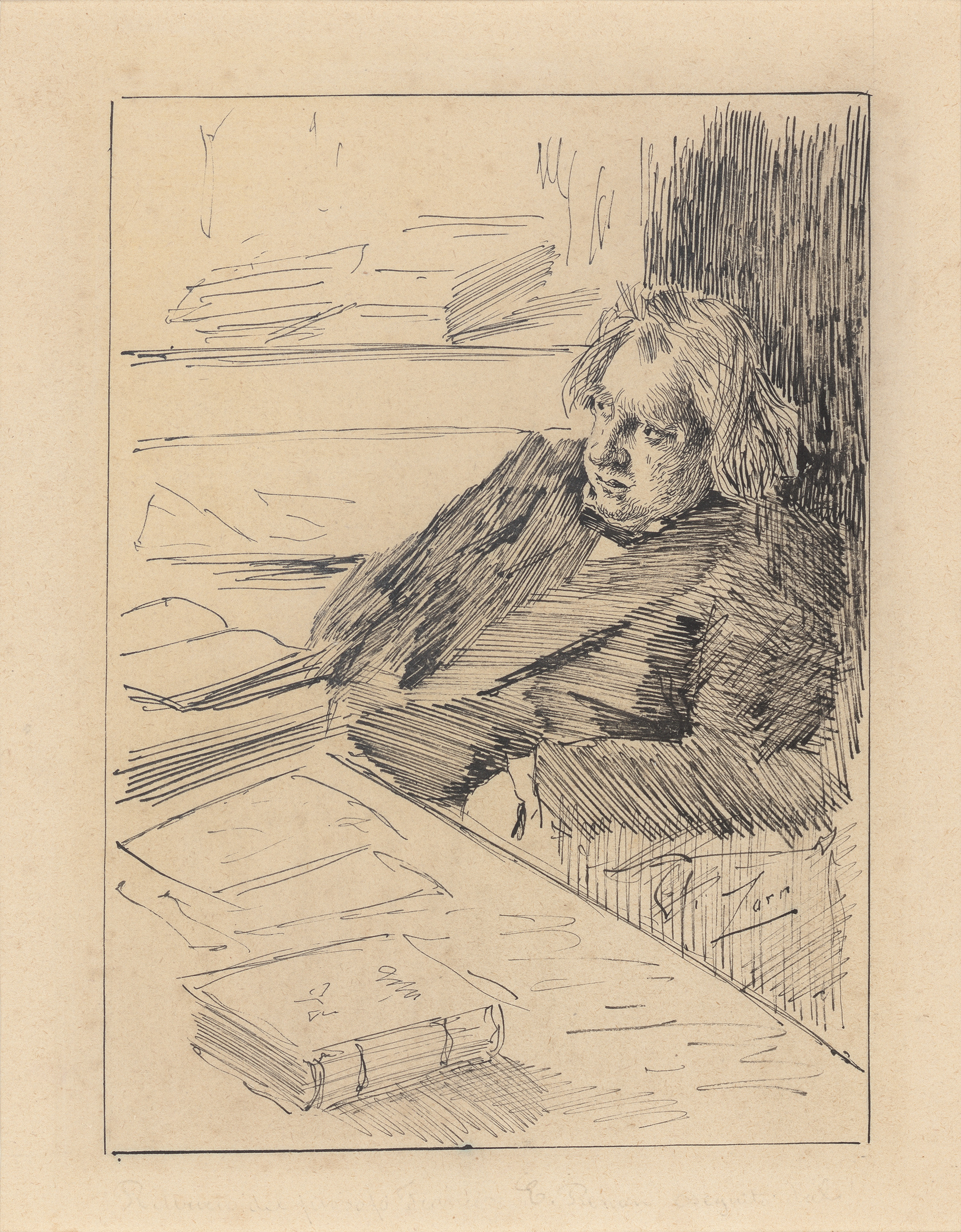
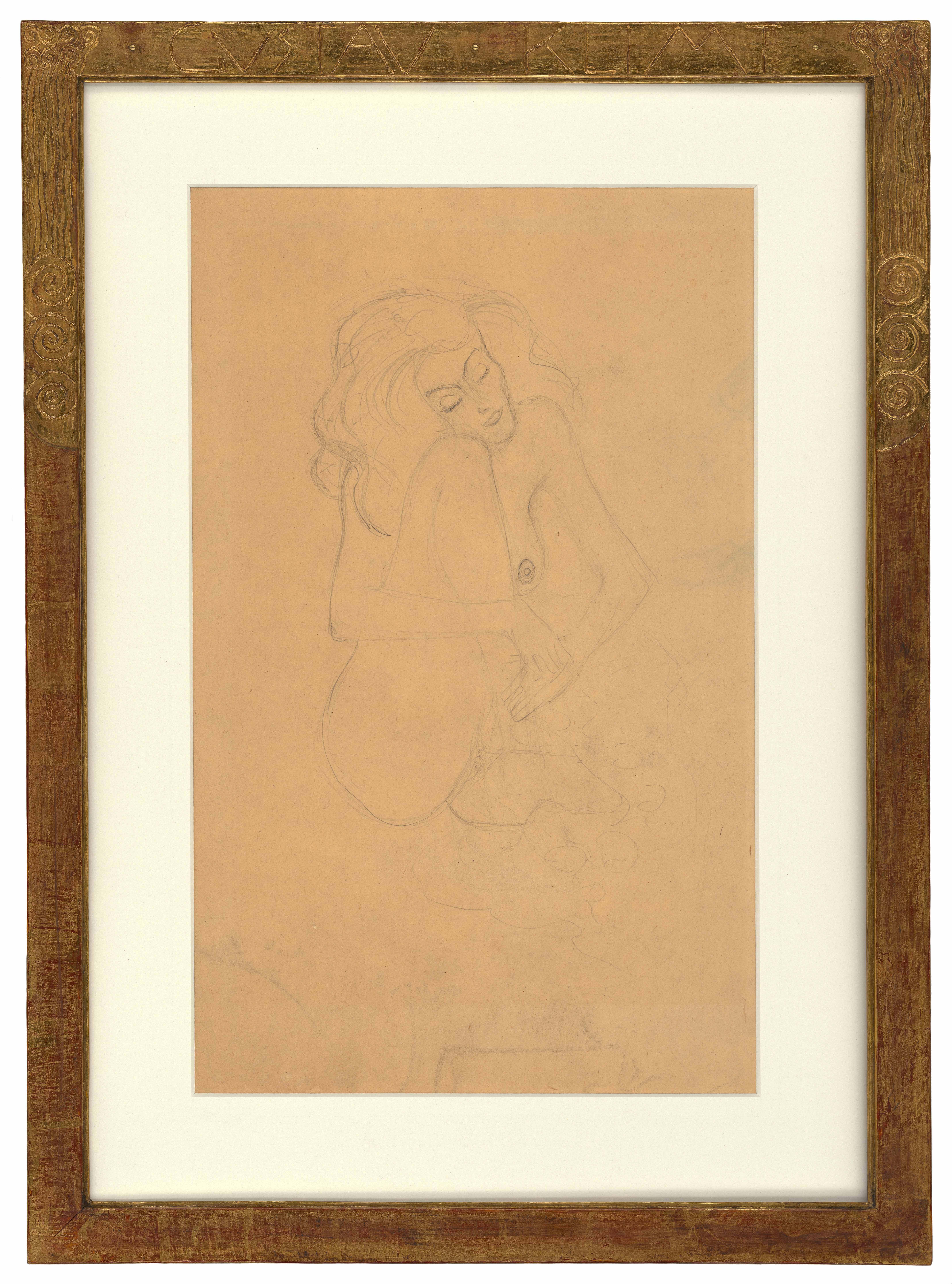
European School
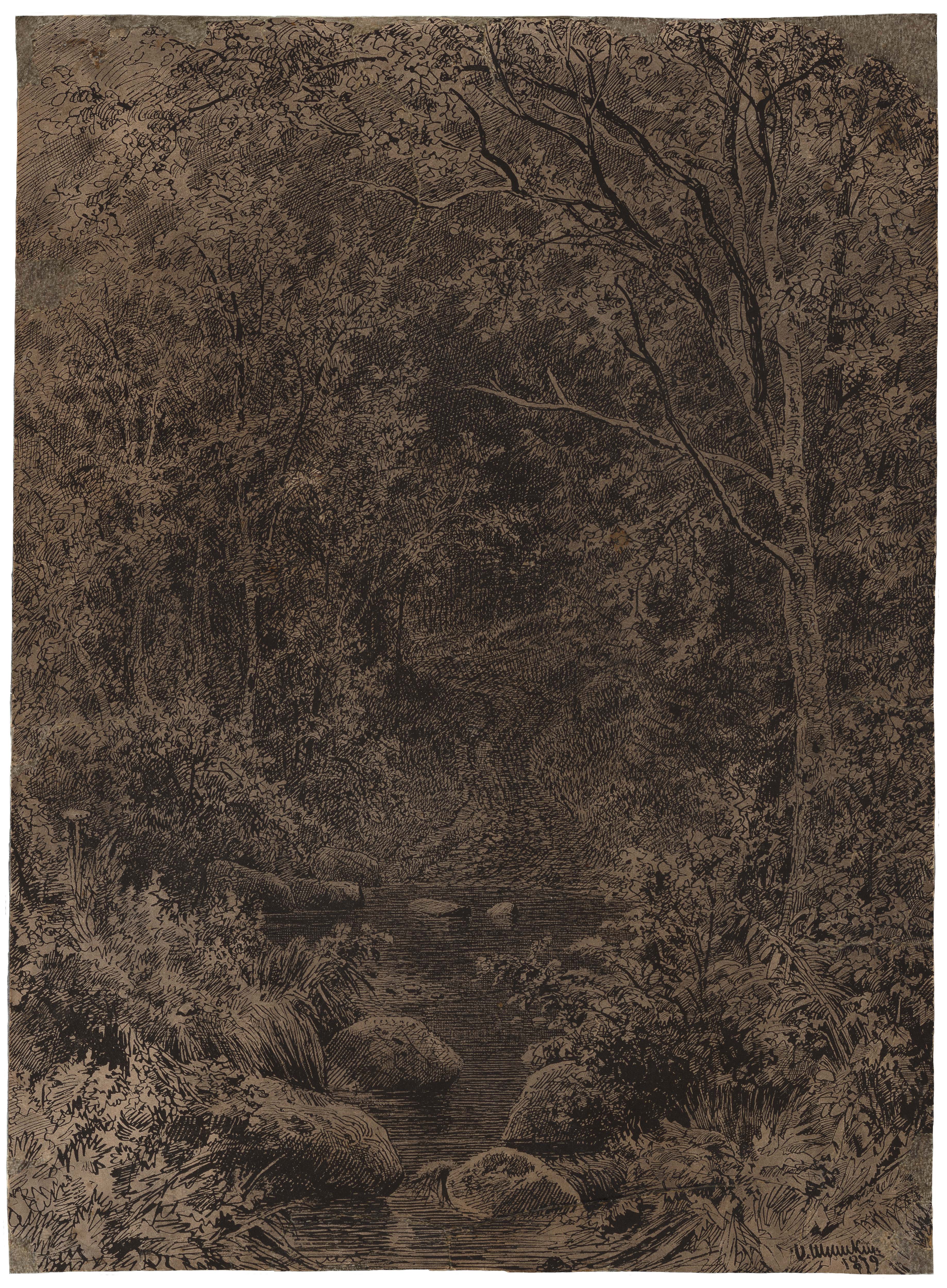

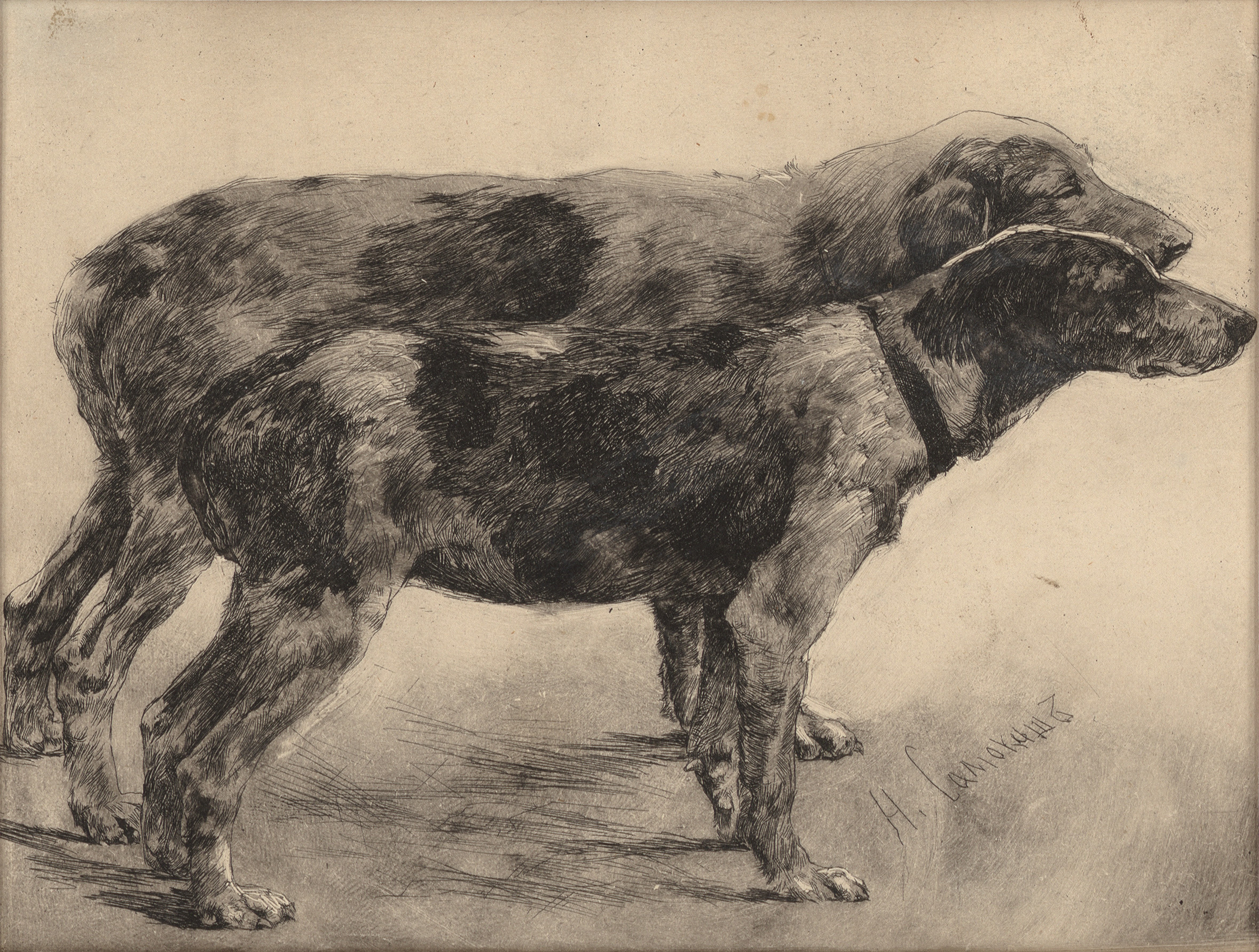
Russian Realism
c. 1860 – 1900
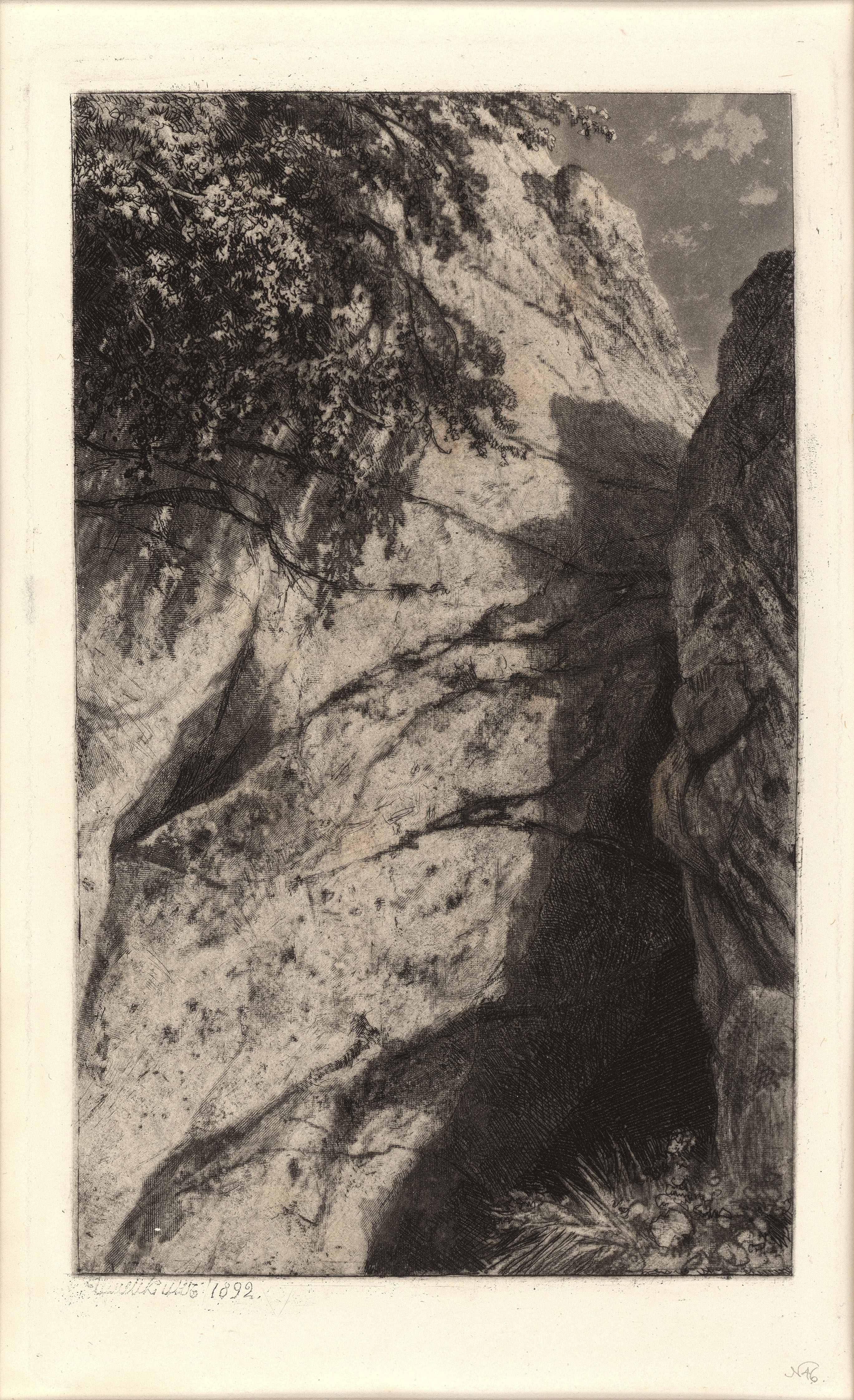
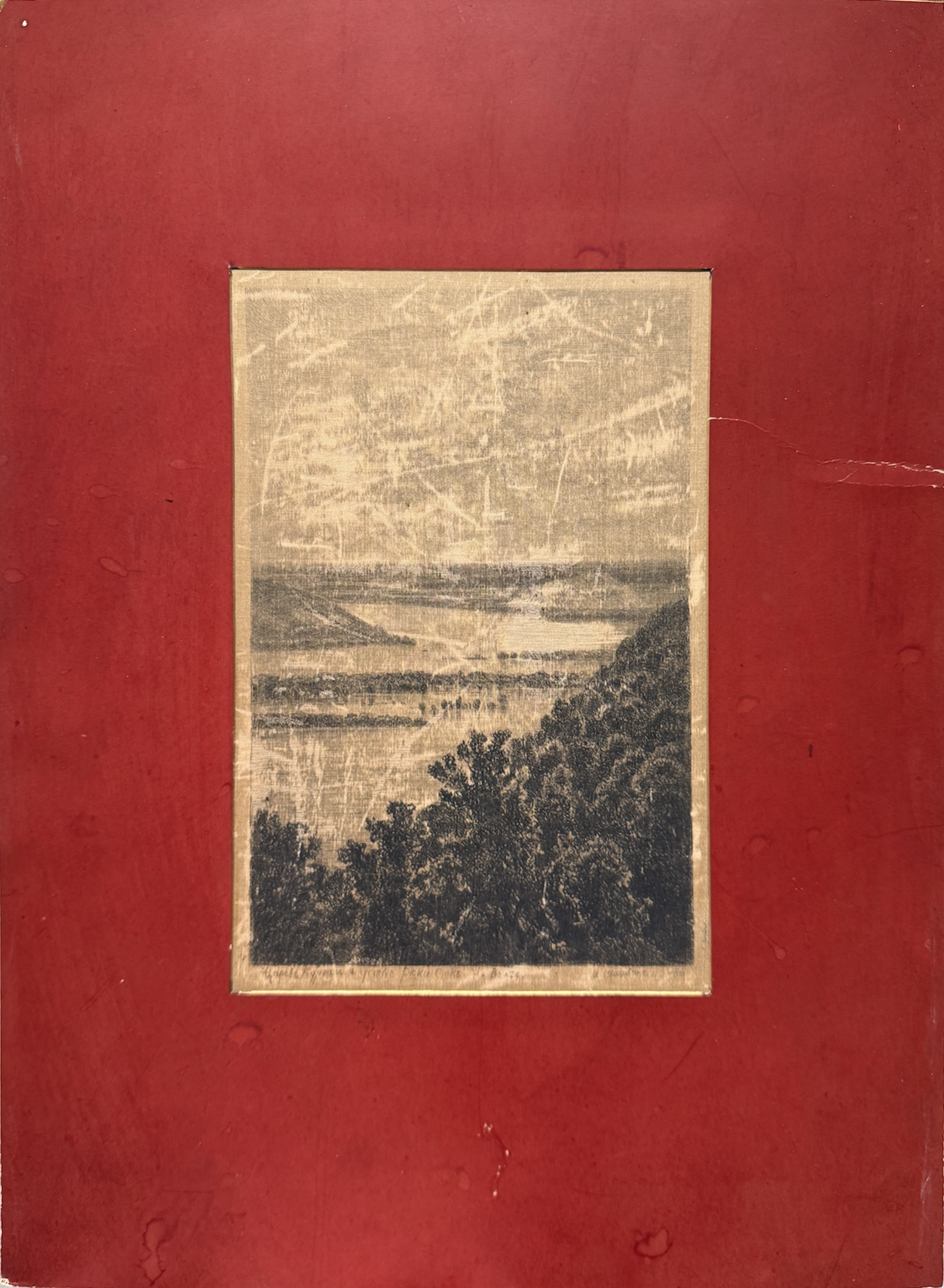
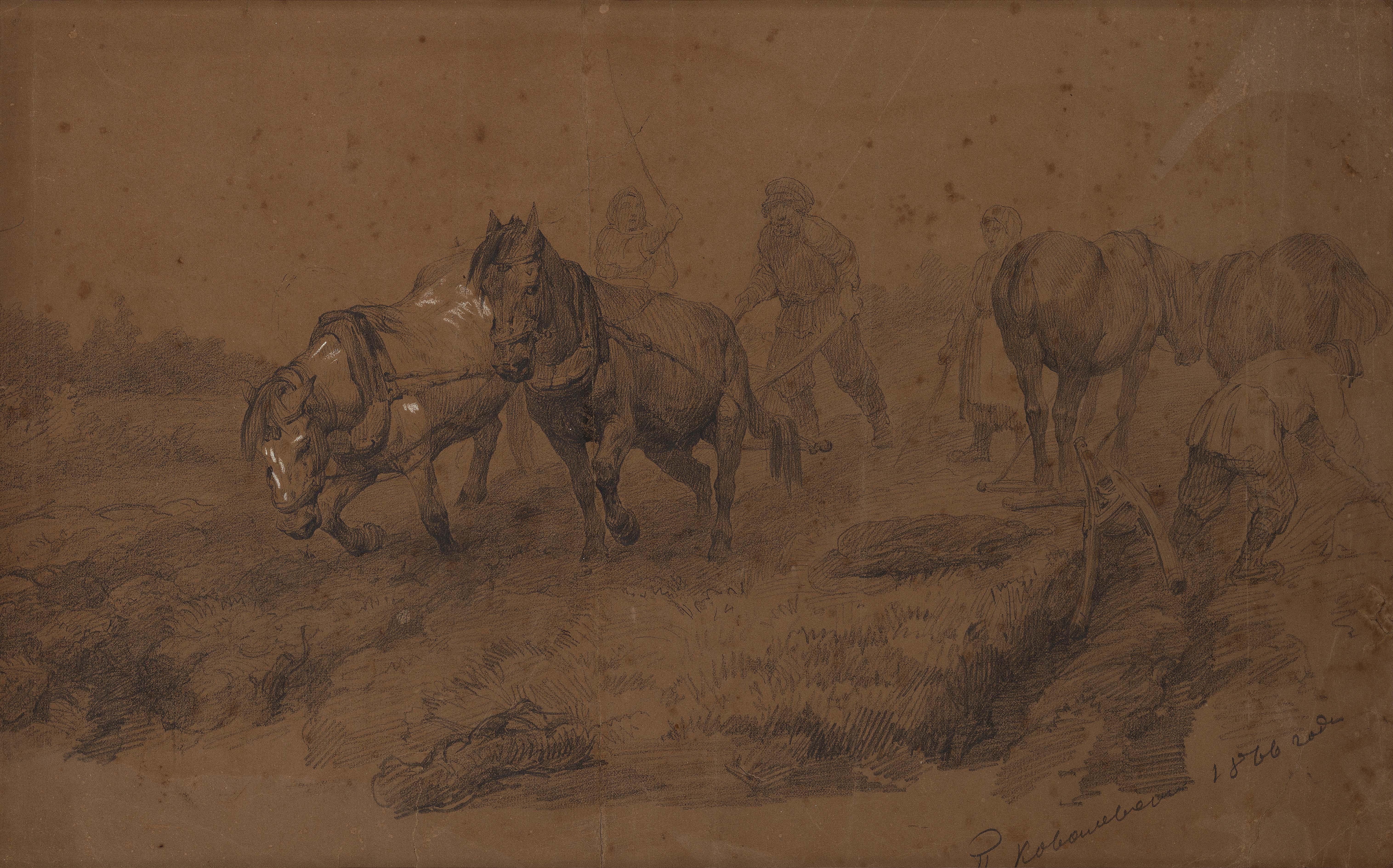
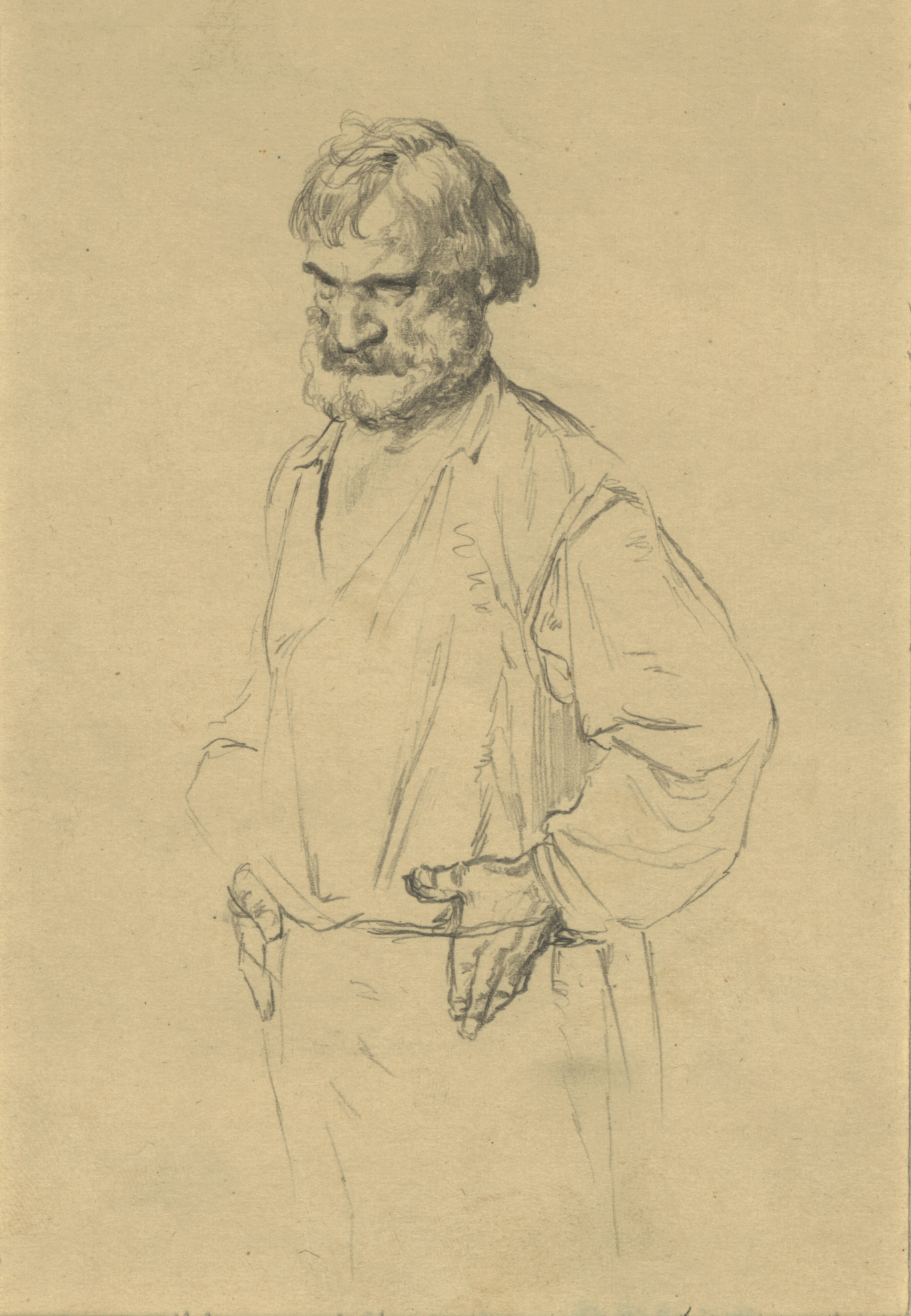
Russian Realism emerged in the second half of the nineteenth century and focused on social reality, national life, historical memory, and the lives of ordinary people. It is closely associated with the Peredvizhniki, or Wanderers, who challenged academic conventions and promoted art that addressed society, history, and the human condition.